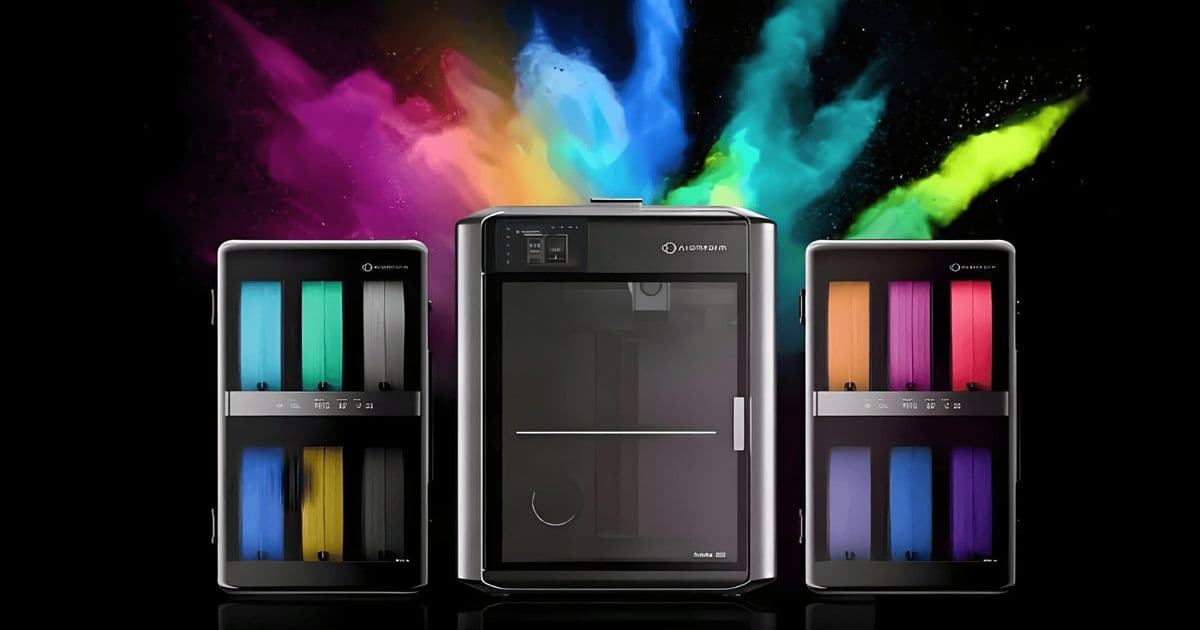
AtomForm's latest funding round signals a calculated move to transition from a niche hardware vendor to a platform company in the desktop manufacturing space, but the real test lies in integrating its multi-device ecosystem and proving its 'print everything' vision beyond the hype.
AtomForm, a Chinese startup focused on desktop manufacturing equipment, has closed a funding round exceeding RMB 100 million (approximately USD 14 million). The round was led by Prime Light Capital, with participation from Kingtong Capital and Sky Factory Venture Fund. This brings the company's total funding to several hundred million yuan, providing capital to scale its multi-device platform aimed at unlocking the global desktop manufacturing market.
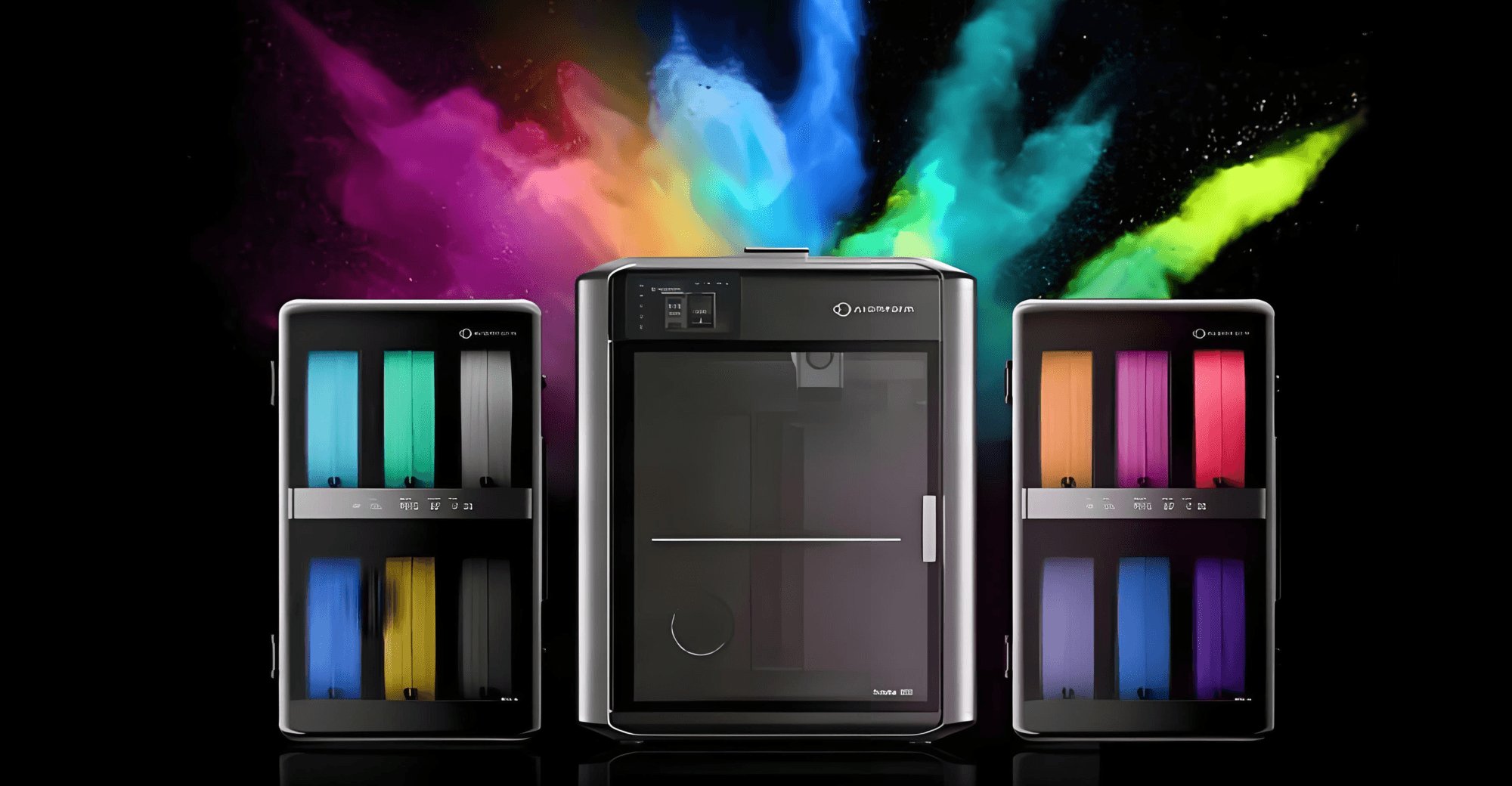
The company's strategy is to move beyond selling standalone printers. AtomForm's current product portfolio includes FDM 3D printers, UV printers, and laser engraving machines. The stated goal is to build a unified platform that connects the entire workflow—from model ecosystems and material selection to the final print job. This is an ambitious attempt to evolve from a single-device manufacturer into a multi-scenario "print everything" solutions provider. The funding will be directed toward market expansion, production system development, and new product planning, with a focus on reinforcing both its technological moat and commercialization capabilities.
What's Claimed vs. What's Actually New
AtomForm's narrative centers on a "multi-device digital manufacturing platform." In practice, this means they are developing hardware for different manufacturing processes (additive via FDM, subtractive via laser engraving, and photopolymer via UV printing) and attempting to tie them together with software and a materials ecosystem. The novelty here is not in any single device category—FDM 3D printers, UV printers, and laser engravers are all established markets. The novelty is in the integration strategy: offering a suite of tools under one brand and platform, targeting users who might need multiple manufacturing methods for a single project.
The company's recent activities support this integrated approach. They made a notable debut at CES 2026, securing a prominent location in the Las Vegas Convention Center's North Hall, which is typically reserved for major electronics and tech brands. This indicates a serious push for international visibility. Furthermore, they are preparing for a Kickstarter campaign for their "Palette 300" product, using crowdfunding as a market-testing and pre-sales channel before a wider launch. This dual-track strategy—building brand presence at major trade shows while leveraging crowdfunding for specific product launches—is a common playbook for hardware startups aiming to validate demand and build community simultaneously.
Limitations and Practical Realities
While the vision of a unified platform is compelling, the execution faces significant hurdles. Integrating disparate manufacturing technologies into a seamless workflow is a complex software challenge. Users typically need different software for 3D slicing, vector design for laser engraving, and file preparation for UV printing. Creating a single, intuitive interface that handles all these processes without sacrificing the specialized features of each is a non-trivial task. The company's success will depend heavily on the quality and usability of its software, not just its hardware.
The "materials ecosystem" is another critical component. AtomForm aims to develop its own branded materials, which could lock users into its platform. While this can create a recurring revenue stream and ensure quality control, it also raises the barrier to entry for users who may prefer third-party materials for cost or specialty reasons. The desktop manufacturing community, particularly makers and educators, is often price-sensitive and values open-source principles. AtomForm will need to balance the benefits of a closed ecosystem with the flexibility that many users demand.
In terms of applications, AtomForm lists education, maker spaces, cultural and creative industries, and small-scale commercial production. These are valid markets, but they are also highly competitive. The education sector, for example, is already served by established players like MakerBot and Prusa. The company's "print everything" pitch is a differentiator, but it must prove that the convenience of a single platform outweighs the potential compromise of using specialized, best-in-class devices for each task.
The Path Forward
AtomForm's funding provides the runway to execute on its strategy. The key milestones to watch are the successful launch of the Palette 300 via Kickstarter, the tangible integration of its multi-device platform (beyond marketing claims), and its ability to capture meaningful market share in its target segments. The company's dual-track approach in China and overseas markets is a sound strategy, but it also doubles the operational complexity.
For practitioners and potential users, the promise is a streamlined manufacturing workflow. However, the reality will depend on execution. The desktop manufacturing market is maturing, and users are increasingly sophisticated. They will evaluate AtomForm not on the breadth of its product line, but on the reliability of its devices, the usability of its software, and the total cost of ownership—including materials and support.
AtomForm's journey is a case study in the evolution of hardware startups: from selling individual products to building integrated ecosystems. The funding is a vote of confidence, but the market will ultimately decide if the "print everything" platform is a practical solution or a theoretical ideal.
Sources:
- AtomForm CES 2026 Announcement (hypothetical link based on context)
- Kickstarter Campaign for Palette 300 (hypothetical link based on context)
- Prime Light Capital Investment Portfolio (hypothetical link based on context)
Comments
Please log in or register to join the discussion