Hardware enthusiast TrashBench demonstrates successful PC operation at extreme sub-zero temperatures using unconventional moisture control techniques, revealing minimal performance gains despite thermal advantages.
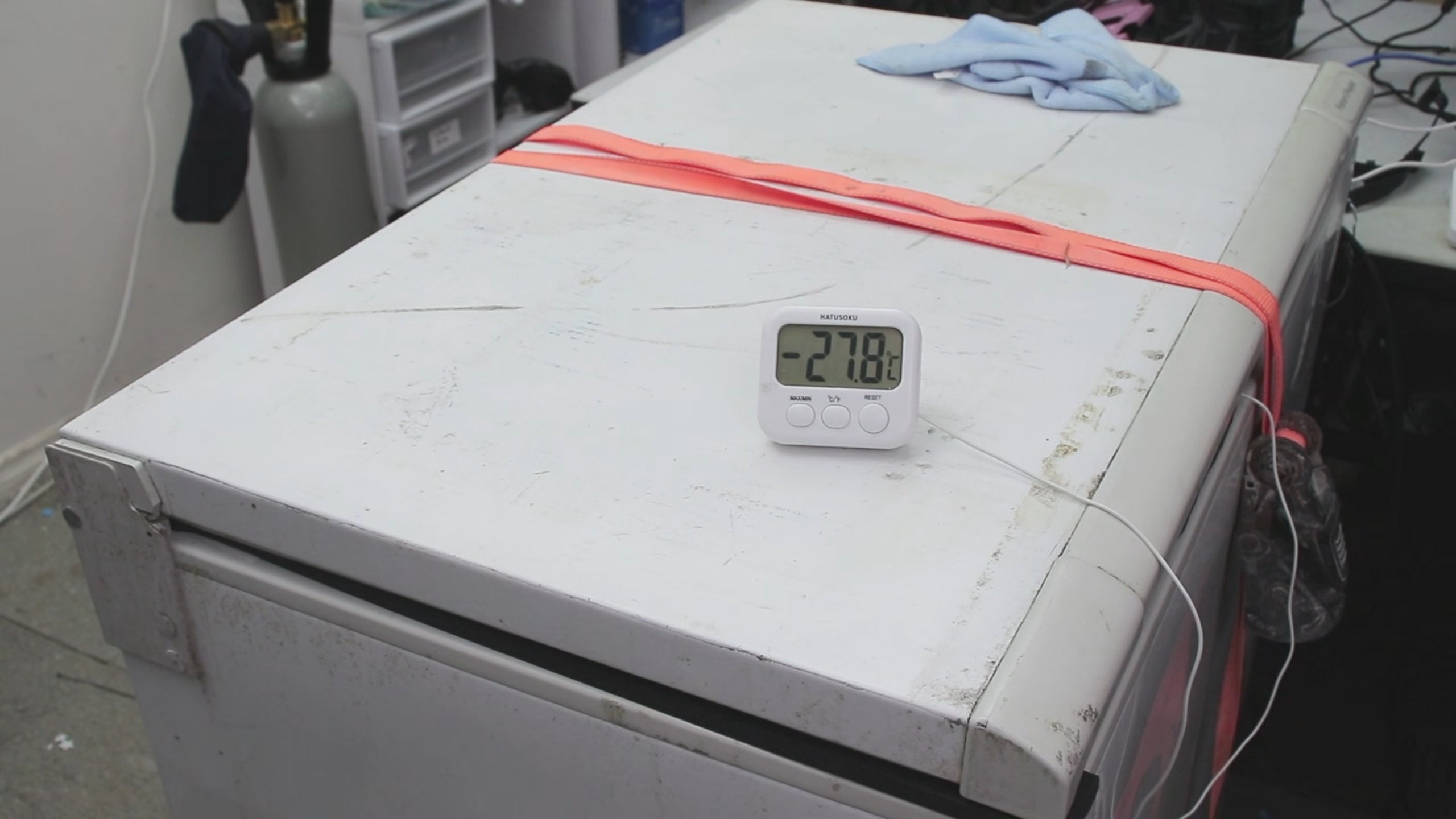
Hardware experimenter TrashBench has solved a persistent challenge in extreme cooling: operating a functional desktop computer inside a household freezer at sustained temperatures of -28°C without condensation damage. This achievement resolves failures encountered by other creators, where moisture buildup typically caused rapid hardware failure.
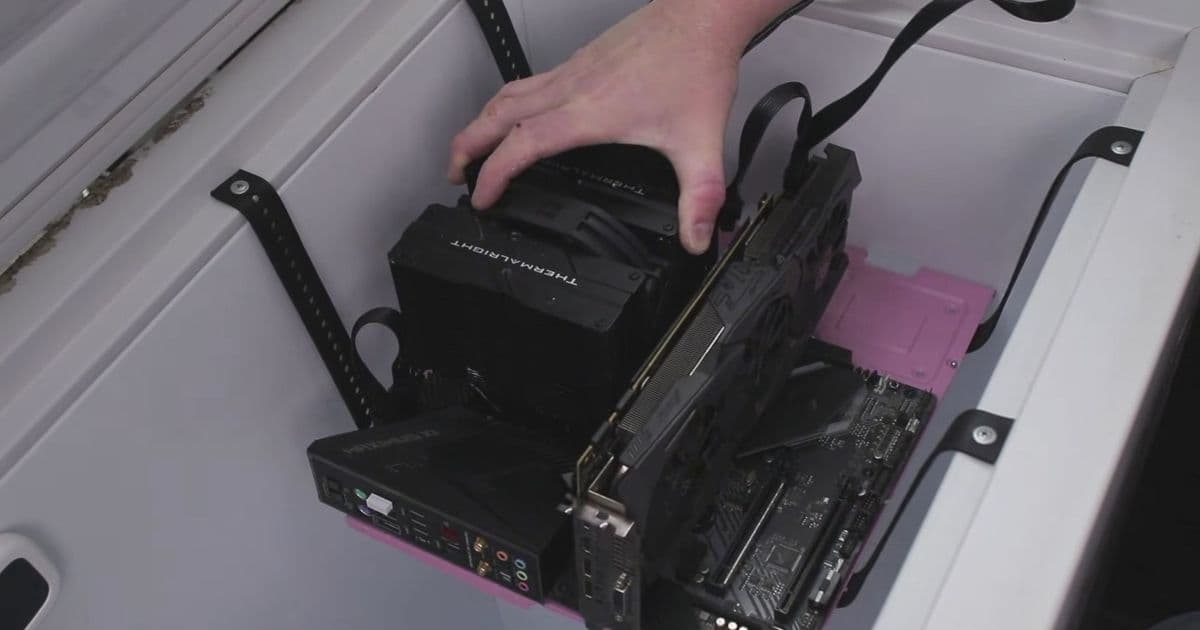
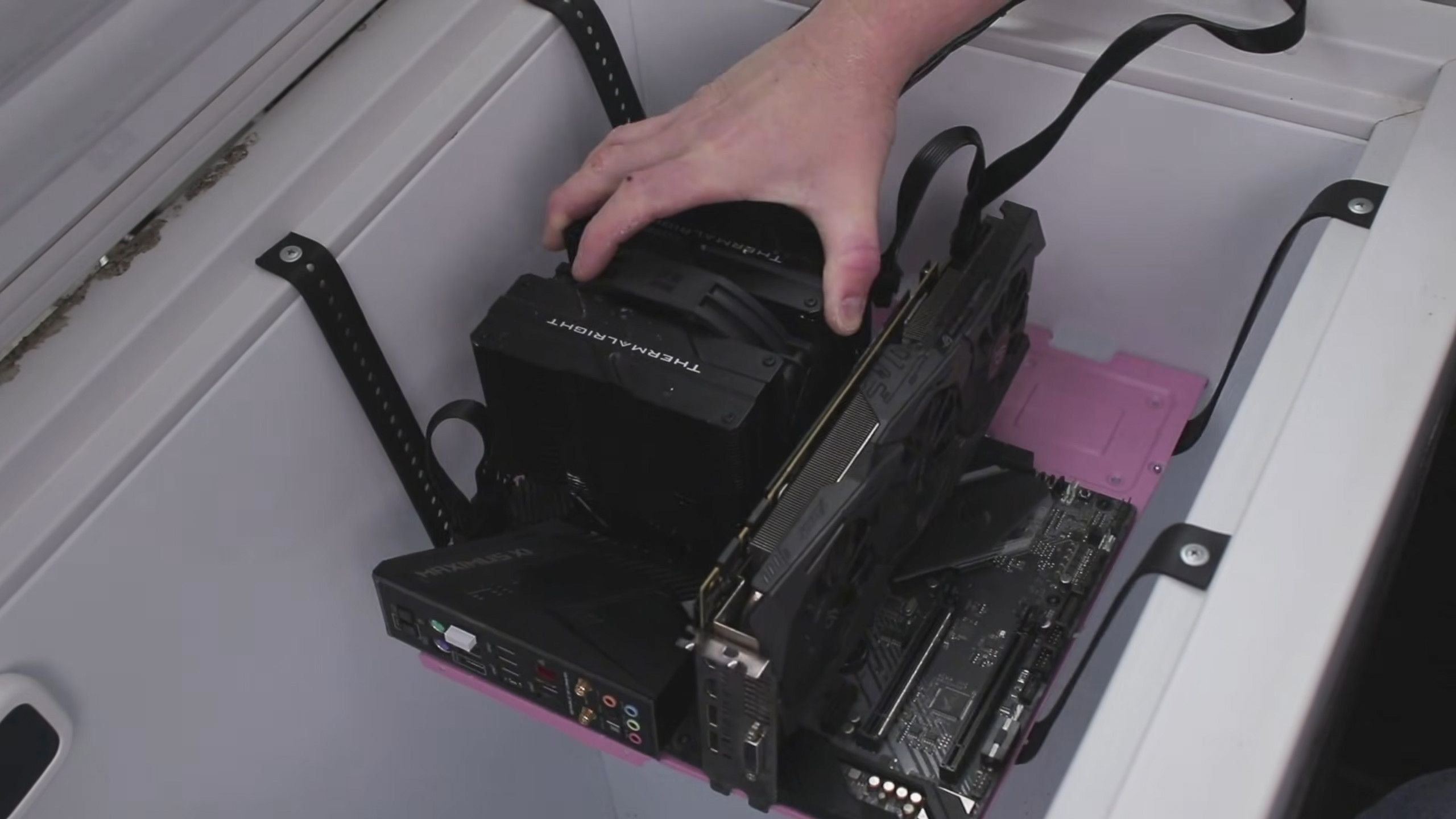
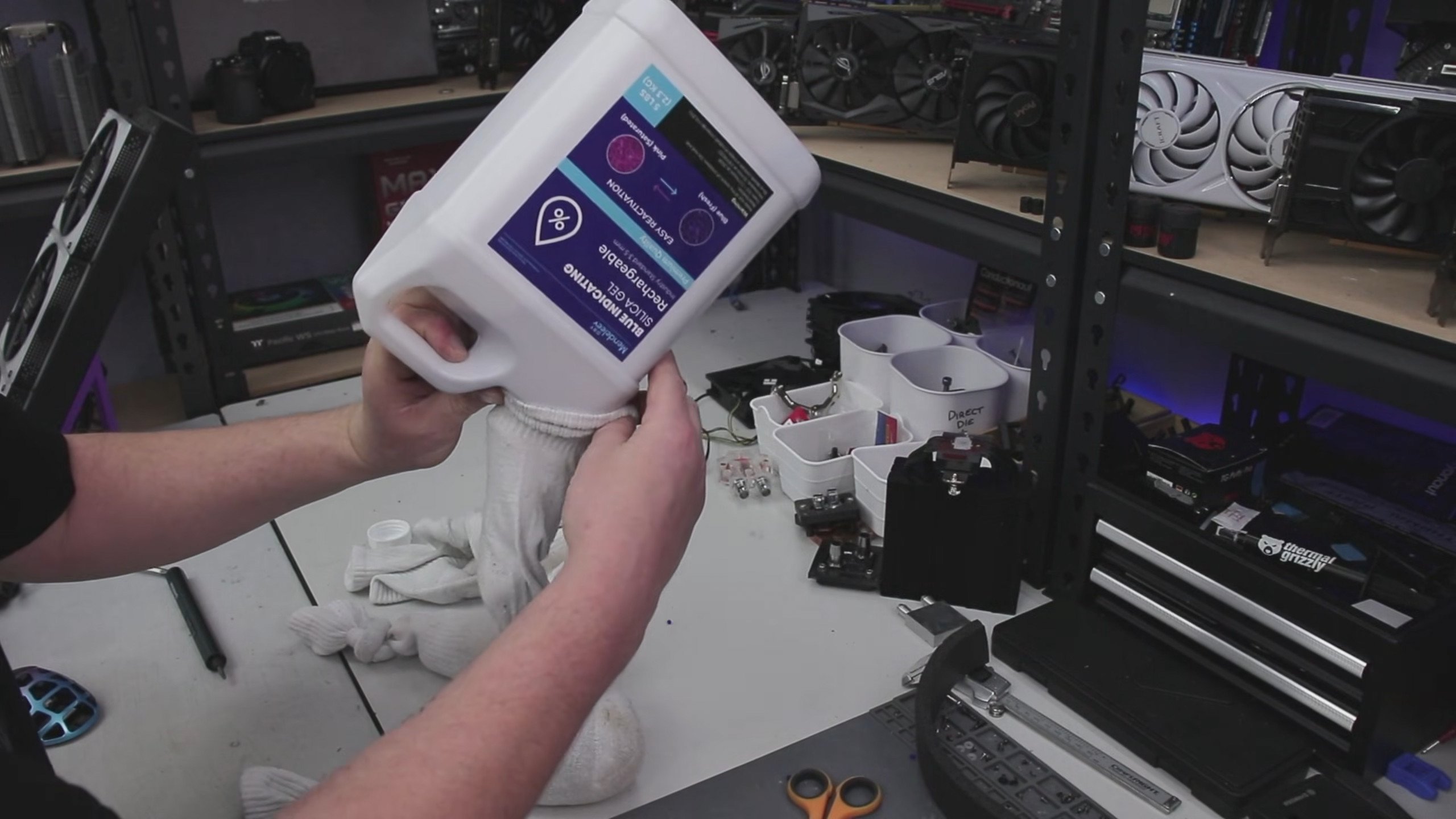
The solution centered on two critical factors: freezer volume and humidity management. Using a large-capacity chest freezer, TrashBench suspended components in mid-air using flexible straps to minimize thermal contact points. At the freezer's base, socks filled with silica gel desiccant actively absorbed ambient moisture—a simple yet effective approach preventing condensation formation during operation.
Hardware selection prioritized thermal manageability over peak performance. The test system comprised an Intel Core i7-9700KF processor, ASUS ROG GeForce GTX 1070 graphics card, ASUS ROG Maximus XI Apex motherboard, G.SKILL Trident Z RGB memory, and Thermalright Phantom Spirit air cooler. The SilverStone Strider 750W power supply remained external to minimize internal heat generation. This configuration's 200-300W peak power proved crucial, as higher-wattage modern components would overwhelm residential freezer compressors.
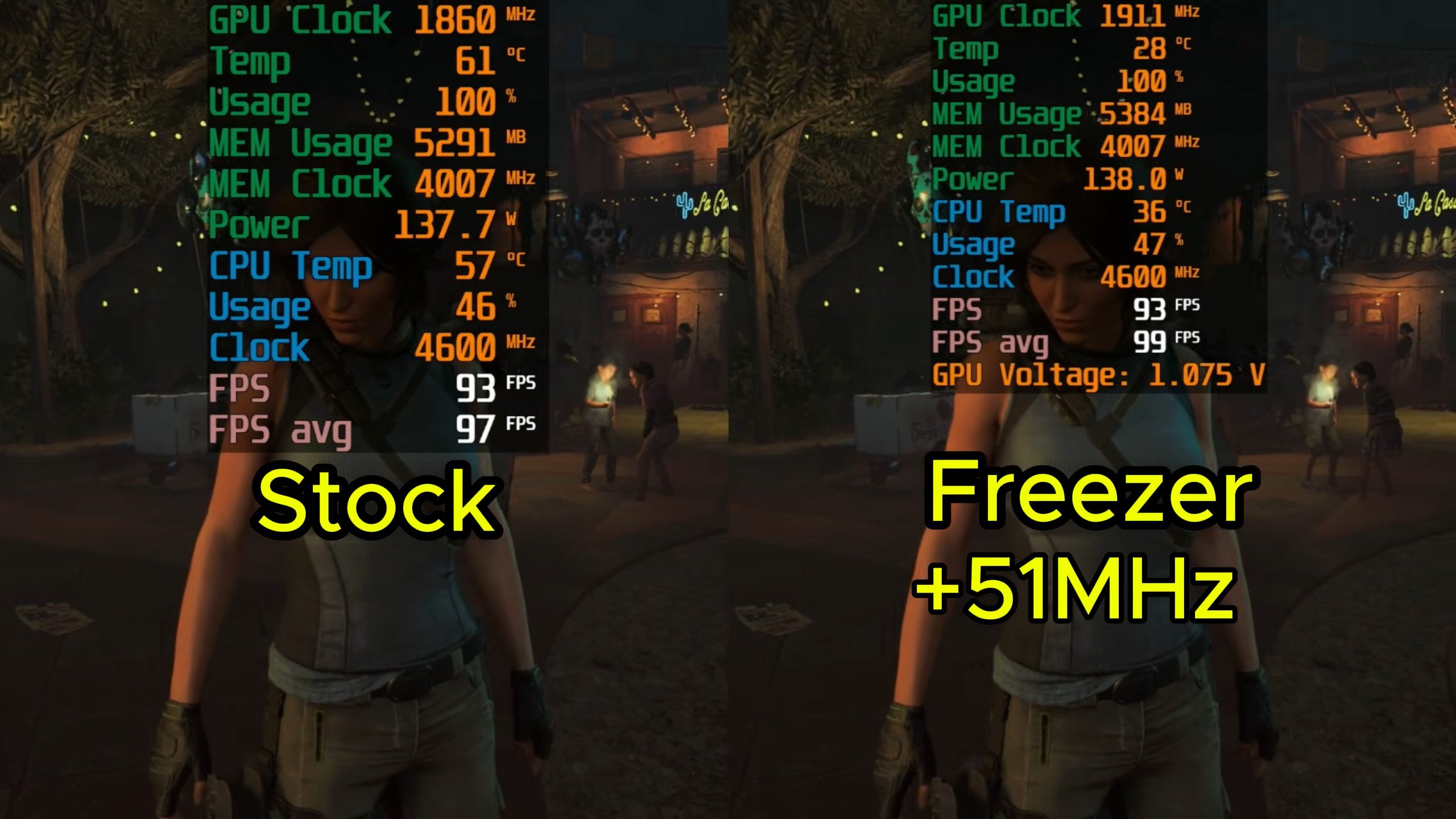
Performance analysis revealed temperature reductions didn't translate to significant speed improvements. At stock settings, sub-zero operation yielded marginal gains—most notably a 51MHz increase in sustained GPU clocks. Manual overclocking pushed the GTX 1070's core clock +240MHz, producing modest frame rate improvements:
- Shadow of the Tomb Raider: 102 FPS → 110 FPS (8% gain)
- 3DMark Fire Strike: 7% score increase
- Cyberpunk 2077 and Far Cry 6 showed smaller improvements
Thermal physics explained the results. Large freezer volume creates thermal inertia, slowing temperature fluctuations that cause condensation. With approximately 300 liters of pre-chilled air acting as a heat sink, component warmth dissipates gradually rather than triggering rapid dew point crossings. This stability allowed desiccant to maintain low humidity despite minor air leaks around cable ports.
The experiment highlights practical limitations of unconventional cooling. While demonstrating condensation mitigation, performance gains remained constrained by GPU architecture and power limits. TrashBench notes freezer-based cooling only becomes viable for extreme overclocking attempts—and even then risks compressor failure during prolonged use. For mainstream applications, traditional air and liquid cooling remain more practical solutions despite higher operating temperatures.
Successful component retrieval at 9°C with zero moisture damage validates the thermal mass approach, though the minimal performance returns underscore why freezer cooling hasn't displaced conventional thermal solutions in PC hardware ecosystems. The methodology provides valuable data for extreme cooling research but confirms that sub-ambient operation requires significant engineering for marginal real-world gains.
Comments
Please log in or register to join the discussion