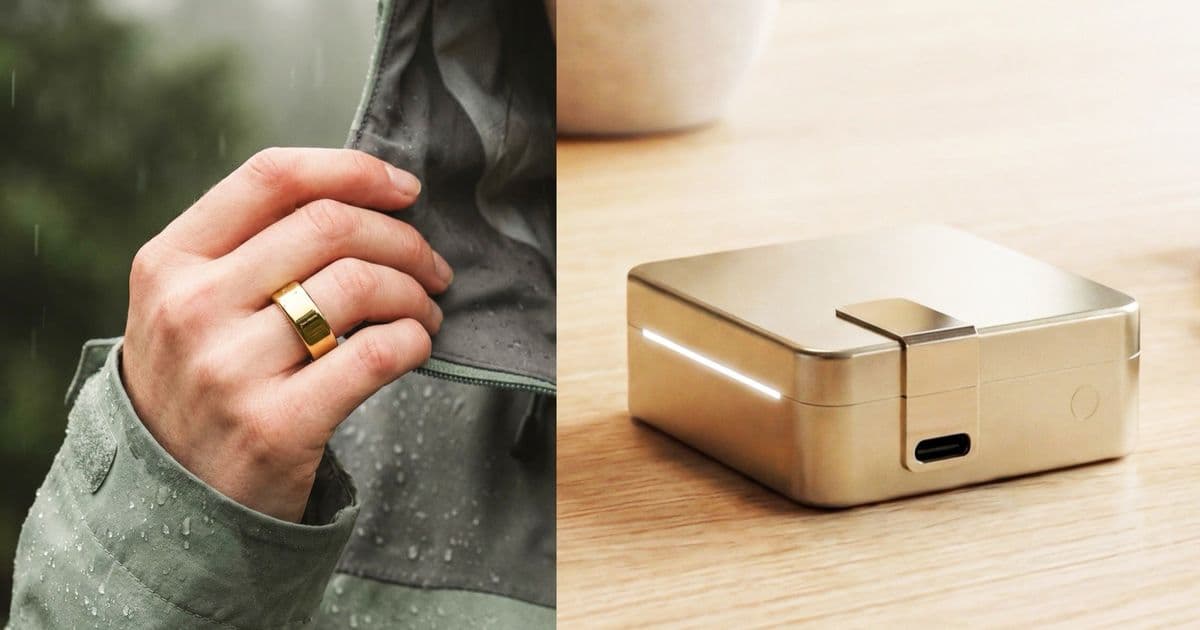
Ultrahuman's new Ring Pro smart ring debuts in Europe with double the battery life of its predecessor, a new AI health platform, and a premium charging case that extends usage to 45 days.
Ultrahuman has officially launched its Ring Pro smart ring in Europe, marking the company's latest entry into the competitive smart wearable market. The new device, which began pre-orders today, builds upon the foundation laid by the Ring Air with several significant upgrades that position it as a premium offering in the health-tracking space.
Extended Battery Life and Premium Charging Case
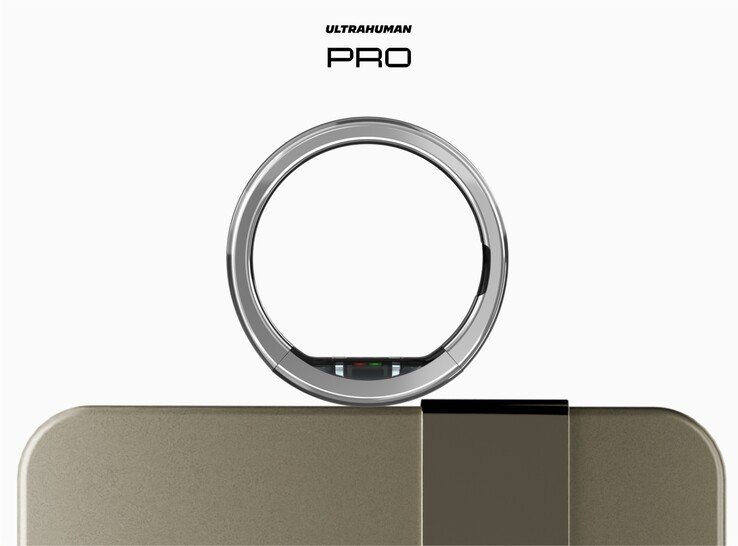
The standout feature of the Ring Pro is its impressive 15-day battery life, nearly double the endurance of the Ring Air model. This extended runtime is made possible through hardware optimizations and a more efficient power management system. For users who need even longer periods between charges, Ultrahuman has introduced the Pro Charging Case, which can extend the total usage time to 45 days. The case itself serves multiple purposes beyond charging - it includes storage for up to one year's worth of data collected by the wearable, a tracking system to help locate the case if misplaced, and a built-in speaker that can emit sounds to assist in finding it.
Enhanced Health Tracking Capabilities
Ultrahuman has redesigned the Ring Pro's internal structure to improve health monitoring accuracy. The new model features an upgraded heart rate sensor that delivers more precise readings during rest and sleep periods, addressing one of the key areas where continuous health tracking provides the most value. The company has also implemented ProRelease Technology, a safety feature designed to make it easier for medical professionals to cut the titanium ring off a user's finger if necessary - a thoughtful addition for a device meant to be worn continuously.
AI-Powered Health Insights
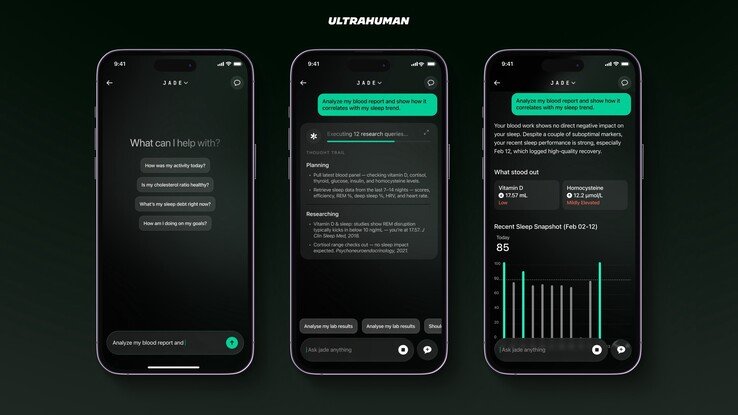
Perhaps the most significant upgrade is the introduction of Ultrahuman Jade, an AI-powered health platform that represents a shift in how users interact with their health data. Rather than navigating through traditional graphs and charts, users can now engage with a chatbot interface that provides real-time insights based on data collected from the ring via Bluetooth Low Energy 5.3, as well as information from other connected health sources. This conversational approach to health data could make the information more accessible and actionable for users who might find traditional health app interfaces overwhelming.
While the Ultrahuman Jade platform is free for all users, Ultrahuman is following the industry trend of offering premium subscription features. These include specialized tools like AFib Detection and Respiratory Health PowerPlugs, which provide more advanced monitoring capabilities for users with specific health concerns.
Pricing and Availability
The Ultrahuman Ring Pro is available for pre-order in several European markets including the UK, Netherlands, and Germany, priced at £419 or €479. This represents a £90/€100 premium over the Ring Air, which currently retails for €379 at Amazon DE. Customers can choose from four color options: Bionic Gold, Space Silver, Aster Black, and Raw Titanium. Shipping is scheduled to begin in late April 2026.
Market Context and Future Plans
The European launch comes at a time when the smart ring market is becoming increasingly competitive, with established players like Oura and newer entrants vying for market share. Ultrahuman's decision to launch in Europe first, while the company is involved in an ongoing patent dispute with Oura in the United States, suggests a strategic approach to market entry. The timing and approach to the US market remain unclear, but the European launch provides Ultrahuman with an opportunity to establish its brand and technology in a significant market before potentially expanding to other regions.
The Ultrahuman Ring Pro represents a thoughtful evolution of smart ring technology, with particular emphasis on battery life, data accessibility through AI, and user safety. Whether these features justify the premium price point over competitors will likely depend on individual user priorities and how effectively the AI-powered health insights translate into meaningful health improvements for users.
Comments
Please log in or register to join the discussion