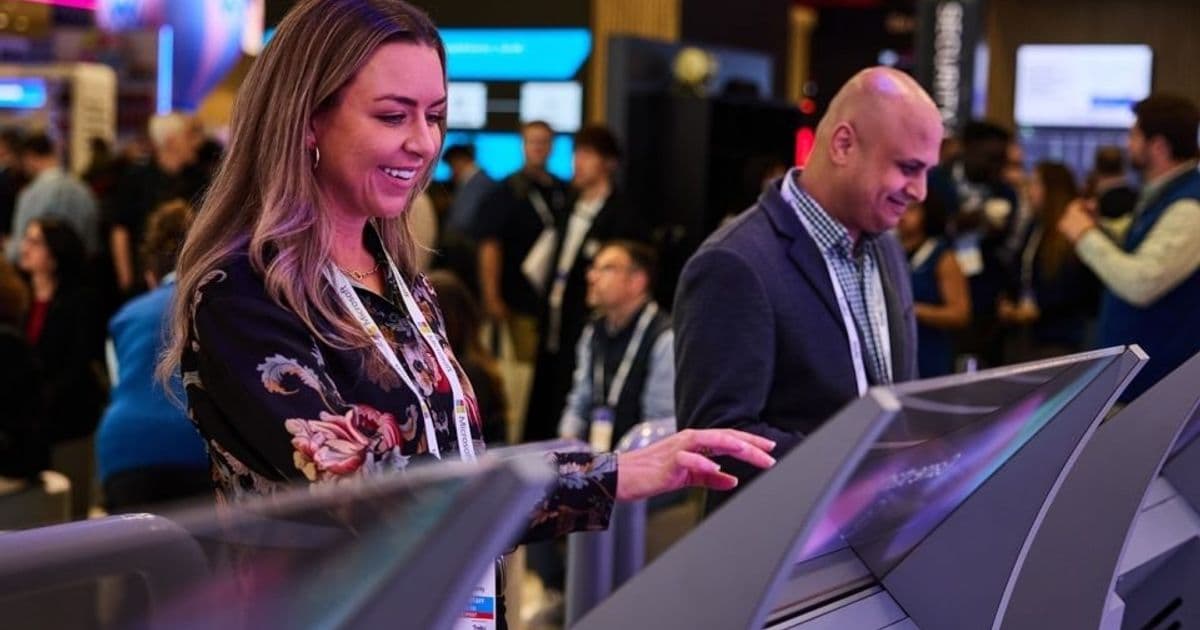
Microsoft is hosting an unscripted AMA-style session at RSA, offering security practitioners direct access to engineers building and securing AI systems at scale.
At this year's RSA Conference, Microsoft is taking an unconventional approach to discussing AI security by hosting an unscripted, live conversation with the engineers and product leaders who are actively building and securing AI systems at scale. The session, titled "Ask the Experts: Data & AI Security in the Real World," breaks from traditional conference formats by eliminating slide decks and product pitches in favor of an open AMA-style discussion.
This format represents a significant shift in how technology companies engage with security practitioners. Rather than presenting polished narratives about security capabilities, Microsoft is creating space for authentic dialogue about the real challenges of securing AI workloads. Security professionals attending RSA can join the live session and bring their toughest questions directly to the engineers responsible for securing Microsoft's AI systems and customer environments.
For those unable to attend in person, Microsoft is extending the conversation through its Tech Community platform. Remote participants can post questions in advance or engage during the live discussion, with the conversation remaining open afterward to accommodate practitioners across different time zones. This inclusive approach ensures that valuable insights about AI security implementation aren't limited to conference attendees.
The topics expected to emerge from this open dialogue span the critical areas of AI security implementation. Data protection strategies for AI workloads will likely be a central theme, given the unique challenges of securing training data, model parameters, and inference results. The conversation will also explore securing copilots and generative AI integrations, which represent one of the fastest-growing attack surfaces as organizations rush to deploy these capabilities.
Identity and access controls for AI services present another crucial area for discussion. As AI systems become more autonomous and interconnected, traditional identity management approaches may prove insufficient. Security practitioners will likely probe how Microsoft approaches the challenge of securing AI-to-AI interactions and managing the complex permission structures required for modern AI deployments.
Monitoring, logging, and anomaly detection round out the expected discussion areas. These capabilities are essential for detecting and responding to AI-specific threats, such as prompt injection attacks, model poisoning, and unauthorized data extraction attempts. The engineers building these systems can provide insights into what works in practice versus what looks good in theory.
What makes this approach particularly valuable is the opportunity to learn from early deployments. Rather than theoretical discussions about AI security, practitioners can gain insights from real-world implementation challenges and lessons learned. This practical knowledge is especially crucial as organizations across industries grapple with securing their AI initiatives while maintaining innovation velocity.
The decision to host this unscripted conversation reflects Microsoft's recognition that AI security requires more than just technical solutions—it demands ongoing dialogue between builders and practitioners. By removing the barriers typically present in vendor-customer interactions, Microsoft is creating an environment where honest discussions about security challenges and trade-offs can occur.
For security professionals navigating the complex landscape of AI implementation, this session offers a rare opportunity to engage directly with the experts responsible for securing some of the world's largest AI deployments. Whether attending in person at RSA or participating remotely through Tech Community, practitioners can gain valuable insights that will inform their own AI security strategies.
The conversation's continuation after the live event ensures that the knowledge sharing extends beyond the conference walls, creating a lasting resource for the security community. As AI systems become increasingly central to business operations, these kinds of open dialogues about security implementation will become even more critical for ensuring safe and responsible AI adoption.
Comments
Please log in or register to join the discussion