Fedora is exploring the addition of Package-URL (PURL) metadata to improve package identification and security vulnerability tracking in its package ecosystem.
The Fedora project is currently considering a significant change for Fedora 45 that could revolutionize how packages are identified and tracked across the Linux distribution. The proposal involves adding PURL (Package-URL) metadata to Fedora's package system, creating a standardized way to map upstream projects to Fedora packages.
Understanding PURL Technology
PURL, or Package-URL, is a specification designed to serve as a "mostly universal" identifier for software packages across diverse ecosystems and tooling. It provides a simple, consistent, and flexible approach to identifying software packages using a standardized URL-based syntax that can work across different package management solutions and protocols.
The PURL specification supports various package ecosystems including:
- npm (Node.js)
- NuGet (.NET)
- Gem (Ruby)
- Docker Hub
- PyPI (Python)
- Maven (Java)
- And many more
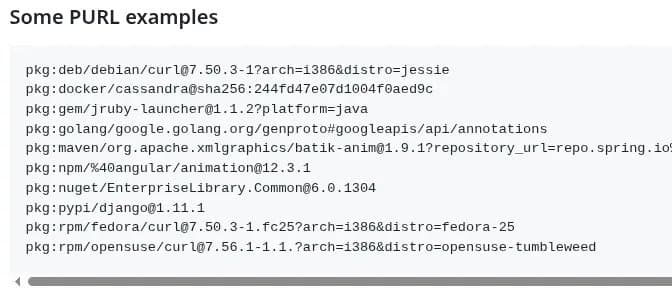
A typical PURL follows this structure: pkg:type/namespace/name@version?qualifiers#subpath
For example, a Python package might have a PURL like: pkg:pypi/[email protected]
Technical Implementation in Fedora
The Fedora change proposal aims to automatically generate PURL metadata for packages during the build process. This metadata would be embedded in the package headers and made available through package repositories.
From a technical standpoint, this implementation would:
- Extract upstream project information from package sources
- Generate standardized PURLs based on package type, name, and version
- Include this metadata in RPM headers
- Make this data accessible through repository metadata
This approach would allow tools to easily map Fedora packages back to their upstream sources without complex heuristics or manual configuration.
Benefits for the Fedora Ecosystem
The adoption of PURL metadata offers several significant advantages:
Security Vulnerability Tracking
One of the primary motivations for this change is improved security. When vulnerabilities are discovered in upstream projects, having PURL metadata allows for:
- Precise identification of affected packages
- Faster vulnerability response times
- More accurate security advisories
- Better tracking of package provenance
This is particularly important for enterprise deployments and security-conscious users who need to quickly identify and patch vulnerable software.
SBOM Generation
Software Bills of Materials (SBOMs) are becoming increasingly important for compliance and security auditing. PURL metadata would simplify SBOM generation for Fedora-based container images and systems by providing standardized identifiers for all components.
Cross-Ecosystem Compatibility
PURL's universal nature bridges the gap between different package ecosystems. This is valuable for:
- Multi-language development environments
- Container images with mixed-language dependencies
- Security tools that need to track packages across ecosystems
Comparison with Existing Systems
Currently, Fedora uses various methods to track package origins:
- Source RPM headers with original source URLs
- Package metadata with vendor information
- Manual mappings in security databases
While these methods work, they lack the standardization and universality of PURL. The existing approach requires custom parsing for each package type and doesn't provide a consistent way to reference packages across ecosystems.
PURL offers several advantages over these current methods:
- Standardized format across all package types
- Version-aware identification
- Ecosystem-agnostic design
- Direct mapping to industry standards like SPDX
Impact on Package Management Workflows
For system administrators and developers, PURL metadata would enable new capabilities:
Automated Dependency Analysis
Tools could automatically map dependencies across ecosystems, helping identify when packages from different ecosystems depend on the same upstream project with different versions.
Enhanced Repository Analytics
Package repositories could provide analytics based on PURL data, showing:
- Most-used upstream projects
- Version distribution across packages
- Ecosystem migration patterns
Improved Build Systems
Build systems could use PURL metadata to:
- Verify package integrity against upstream sources
- Detect version conflicts across ecosystems
- Optimize build dependencies
Timeline and Next Steps
The PURL metadata proposal is currently under discussion through the Fedora change proposal thread. If approved, it would be implemented for Fedora 45, with the following expected timeline:
- Final approval by Fedora Engineering and Steering Committee (mid-2026)
- Implementation in build system (late 2026)
- Integration with package repositories (early 2027)
- Full availability in Fedora 45 (mid-2027)
The PURL specification itself is maintained as an open standard and has already seen adoption in various open-source projects and security databases.
Broader Implications for Linux Ecosystems
Fedora's adoption of PURL could influence other Linux distributions and package ecosystems. If successful, we might see:
- Cross-distribution package identification standards
- Improved security collaboration between distributions
- Enhanced tooling for multi-distribution deployments
For homelab builders and enterprise users, this could mean more reliable security updates and easier management of complex software stacks across different systems.
The move toward standardized package identification represents a significant step forward in Linux package management, potentially reducing the overhead of tracking software origins and improving overall system security.
Comments
Please log in or register to join the discussion