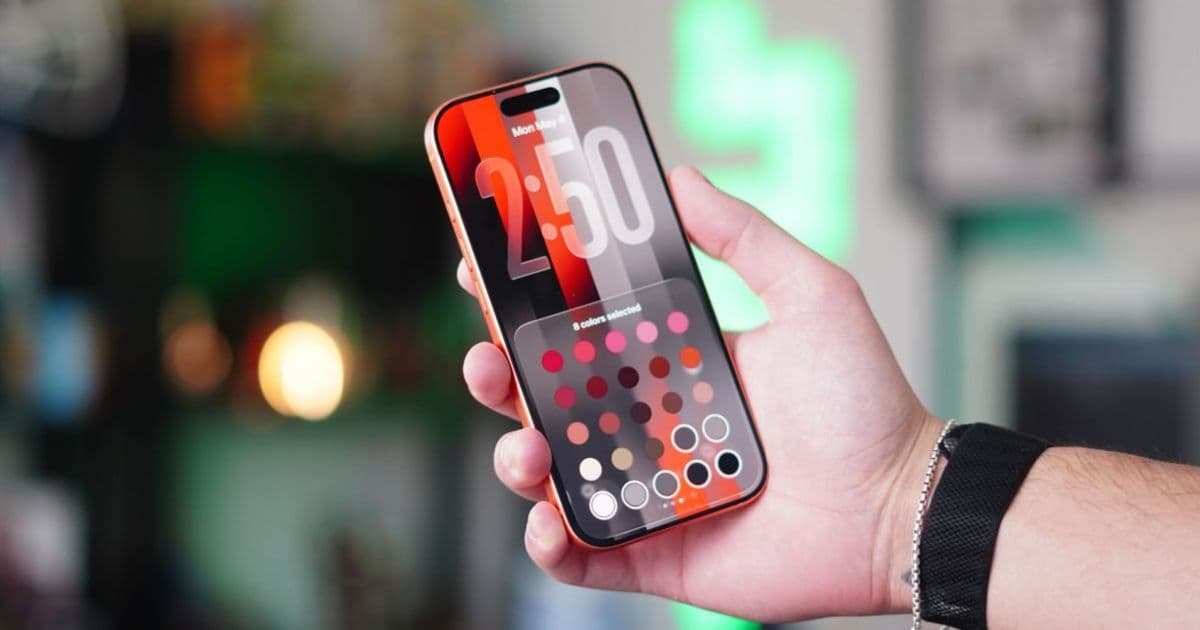
With iOS 27's AI-focused features locked behind newer hardware, Apple may see an unprecedented upgrade cycle as users chase Apple Intelligence capabilities that older iPhones simply cannot support.
Apple's Worldwide Developers Conference is just over a week away, and rumors indicate iOS 27 will mark a significant shift in how the company approaches software compatibility. While Apple has a strong history of supporting older devices with its latest software versions, this year might be different. iOS 27's AI-heavy features could create a perfect storm that motivates more users than ever to upgrade to newer hardware.
Compatibility and Hardware Requirements
Historically, Apple has maintained impressive backward compatibility with iOS. iOS 26, for example, supports iPhones released up to six years prior. However, iOS 27 is expected to drop support for four older iPhone models. While this is noteworthy, the real story lies in what the new OS can actually do on supported devices.
The critical factor here is Apple Intelligence, Apple's on-device AI framework that requires specific hardware capabilities. According to Apple's documentation, only iPhone 15 Pro and newer models support these features. This means iPhone 12, iPhone 13, iPhone 14, and even the standard iPhone 15 models will be unable to run Apple Intelligence despite being able to install iOS 27.
Developers should note that Apple Intelligence requires the Neural Engine in the A17 Pro chip and later, which means the hardware requirements are more stringent than previous iOS features. This creates a significant divide between what's technically possible and what's functionally useful on older devices.
AI Features Taking Center Stage
iOS 27 appears to be Apple's most AI-focused update to date. The centerpiece is a completely redesigned Siri with a Gemini-inspired LLM foundation, chatbot interface, dedicated app, and enhanced onscreen and personal context awareness. This isn't just a minor tweak—it represents a fundamental reimagining of how Siri interacts with users and the system.
Beyond Siri, numerous other iOS 27 features appear to have AI requirements:
- Photos app: Advanced photo organization, object removal, and enhanced editing tools
- Custom wallpaper generation: AI-powered creation of personalized wallpapers
- Video subtitles: Automatic caption generation for all videos
- Natural language Shortcuts: Creating automation through conversational commands
- Camera app: New Siri mode for hands-free photography
- Safari improvements: Enhanced browsing with AI-powered features
For developers, this means creating apps that can gracefully handle devices with and without Apple Intelligence capabilities. The Apple Developer documentation will need careful attention to implement proper feature gating and fallbacks.
Developer Implications
The bifurcation of iOS 27 capabilities presents both challenges and opportunities for developers. On one hand, maintaining compatibility with older iOS versions while implementing cutting-edge AI features requires additional development resources. On the other hand, the AI capabilities open entirely new possibilities for app functionality.
Developers should consider:
- Feature detection: Implementing proper API checks to determine if a device supports Apple Intelligence
- Progressive enhancement: Building core functionality that works on all devices while adding AI enhancements where possible
- Performance optimization: Ensuring AI features don't negatively impact performance on supported devices
- User experience consistency: Creating interfaces that feel cohesive whether AI features are available or not
The Core ML framework and Create ML will be essential tools for developers looking to implement AI features in their apps. Additionally, the Natural Language framework and Speech framework will be critical for enhancing Siri interactions.
Migration Considerations
For users with older iPhones, iOS 27 presents a difficult decision. While the OS will technically install on devices as old as the iPhone 12, the experience will be substantially different from what newer devices offer. This creates a situation where users might not be getting the full value of the update.
From a cross-platform perspective, this approach mirrors strategies seen in the Android ecosystem, where Google's AI features often require the latest hardware. However, Apple's tighter hardware-software integration means the experience gap between supported and unsupported devices might be more pronounced.
For enterprise developers and IT departments, this creates additional complexity in device lifecycle management. Organizations will need to carefully evaluate whether the AI benefits justify the hardware upgrade costs across their user base.
Broader Industry Context
Apple's focus on AI in iOS 27 reflects a broader industry trend. As mobile hardware capabilities advance, software companies are increasingly leveraging on-device AI to differentiate their platforms. For Apple, this represents both an opportunity and a challenge—balancing the desire to showcase cutting-edge technology with the commitment to long-term device support.
The approach also has implications for the secondary market and device longevity. Users with unsupported devices may find their devices becoming functionally obsolete sooner than in previous years, potentially impacting environmental sustainability and e-waste concerns.
Conclusion
iOS 27 appears poised to be a pivotal release that could reshape upgrade cycles in the mobile industry. By tying its most innovative features to specific hardware requirements, Apple is creating a situation where users have a clear incentive to upgrade if they want access to the full experience.
For developers, this means adapting to a more fragmented landscape where capabilities vary significantly across device generations. The challenge will be creating compelling experiences that leverage AI where possible while maintaining functionality across the supported device range.
As we approach WWDC 2026, the mobile development community will be watching closely to see how Apple implements these features and what the actual requirements turn out to be. Regardless of the specifics, iOS 27 marks a clear shift toward a more hardware-dependent software ecosystem, with AI as the primary driver.
Comments
Please log in or register to join the discussion