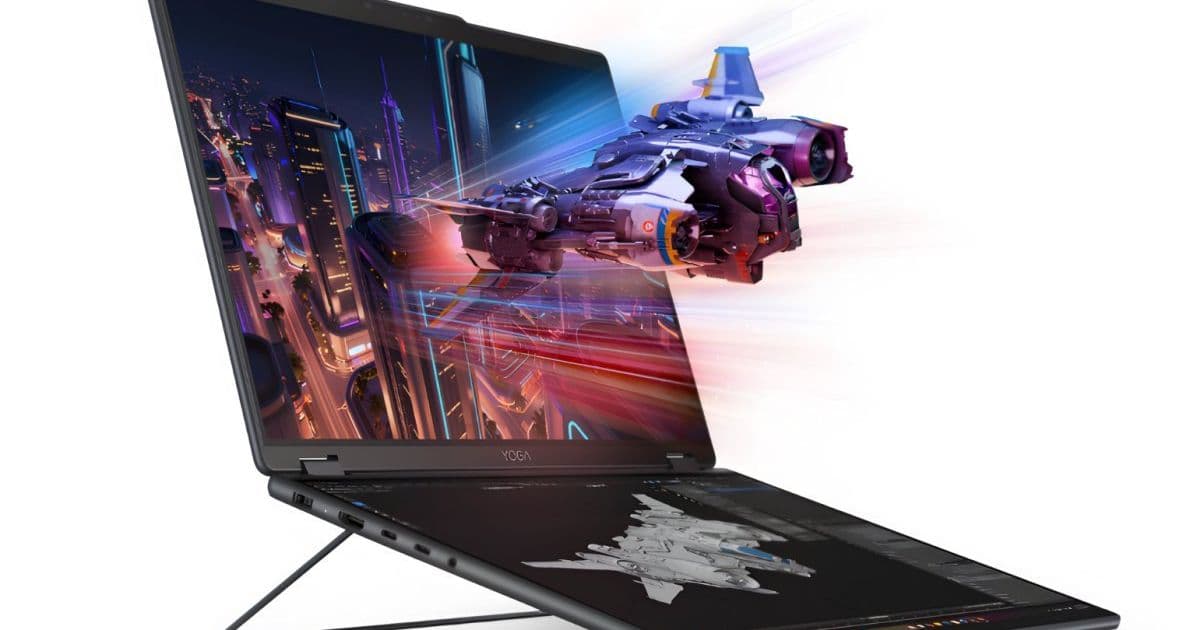
Lenovo is set to unveil a concept dual-screen laptop with glasses-free 3D display at Mobile World Congress, though the technology's practical limitations remain a concern.
Lenovo is preparing to unveil a new concept device at Mobile World Congress that could redefine the dual-screen laptop category: the Yoga Book Pro 3D. According to industry leaker Evan Blass, this concept device combines Lenovo's established dual-screen design with a glasses-free 3D display, potentially offering users a glimpse into the future of portable computing.
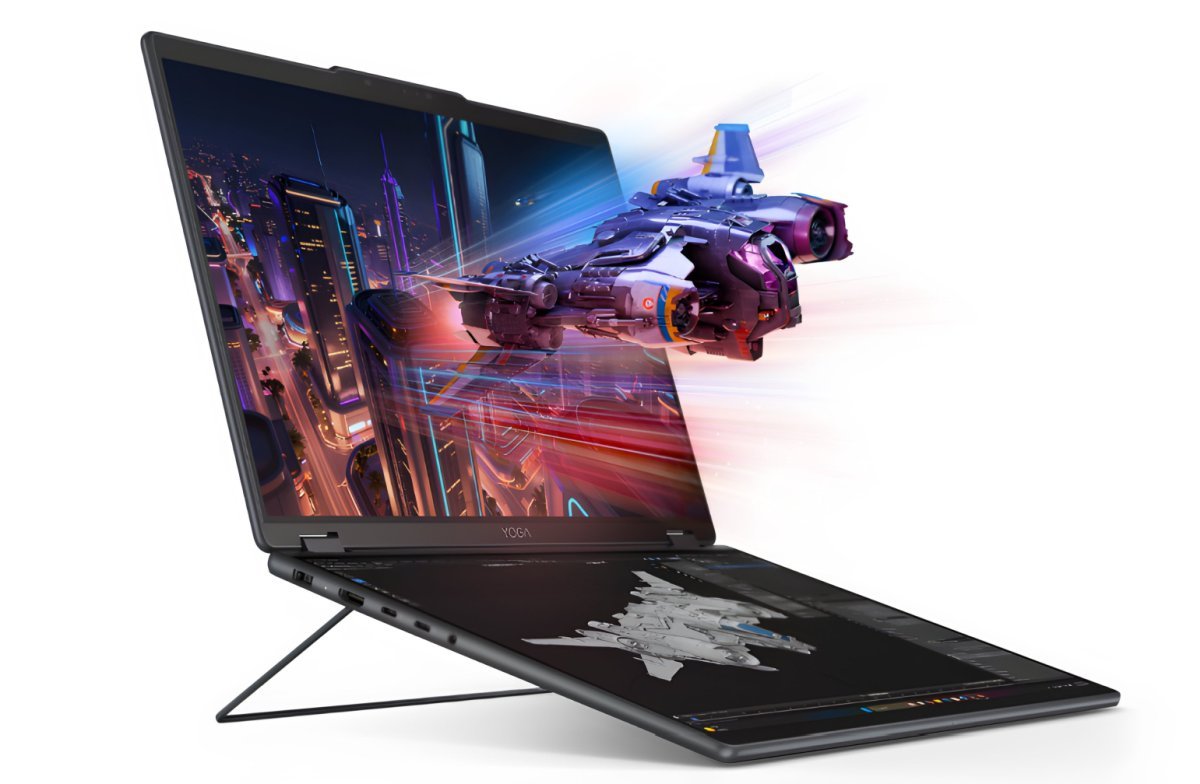
Since 2023, Lenovo has been selling dual-screen laptops that transform from conventional notebook PCs into versatile workstations when opened. The unique design features a second screen where a traditional keyboard would sit, with a Bluetooth keyboard available for placement in front of the device or atop the lower display. The Yoga Book Pro 3D concept appears to build upon this foundation while adding an ambitious new dimension.
Glasses-free 3D technology has been a holy grail for display manufacturers for over a decade. The promise is compelling: immersive 3D visuals without the need for special eyewear. However, the technology has historically faced significant hurdles that have prevented widespread adoption.
The concept isn't entirely new. At CES 2012, I had the opportunity to experience a glasses-free 3D tablet firsthand. While some content specifically optimized for the display was impressive, the limitations were immediately apparent. Most software didn't support the technology, and users had to maintain an extremely precise viewing angle to perceive any 3D effects. The experience was more novelty than practical tool.
Since then, the technology has evolved considerably. Modern glasses-free 3D displays typically feature much higher resolutions and can be paired with eye-tracking technology and other sophisticated techniques to enhance the viewing experience. These advancements have made the technology more viable, but fundamental challenges remain.
One of the most significant issues is content compatibility. The vast majority of applications, games, and videos are still designed for traditional 2D displays. Even when 3D content is available, the effect is often limited. For example, in a review of the Abxylute 3D One handheld gaming PC with a 3D display, PC Gamer noted that while individual objects appeared convincingly three-dimensional, the overall scene lacked seamless depth. The reviewer described the effect as reminiscent of a pop-up book, with elements placed at discrete depth positions rather than creating a truly continuous 3D vista.
Lenovo has a history of transforming unusual concept devices into actual products, which lends some credibility to the Yoga Book Pro 3D's potential. The company has demonstrated a willingness to experiment with unconventional form factors and features, often bringing successful concepts to market after initial demonstrations.
However, skepticism remains warranted. Glasses-free 3D displays, despite technological improvements, still face the same fundamental challenges that have limited their adoption for over a decade. The viewing angle restrictions, limited content support, and often underwhelming depth effects make it difficult to justify as a primary feature rather than a novelty.
The Yoga Book Pro 3D may be more of a technology demonstration than a practical product. It showcases Lenovo's ability to integrate cutting-edge display technology into their dual-screen ecosystem, potentially positioning the company as an innovator in the laptop space. The concept could also serve as a testbed for future developments in 3D display technology.
For now, the Yoga Book Pro 3D remains firmly in the concept category, with no announced release date or price. Mobile World Congress attendees will have the opportunity to experience the device firsthand and determine whether Lenovo has truly solved the long-standing challenges of glasses-free 3D technology or if it remains an impressive but impractical demonstration of what might be possible in the future.
The unveiling at MWC 2026 will be particularly interesting given the current state of the laptop market. With remote work becoming increasingly common and users demanding more versatile computing solutions, the combination of dual screens and 3D capabilities could represent an intriguing evolution in portable computing – if the technology can overcome its historical limitations.
Comments
Please log in or register to join the discussion