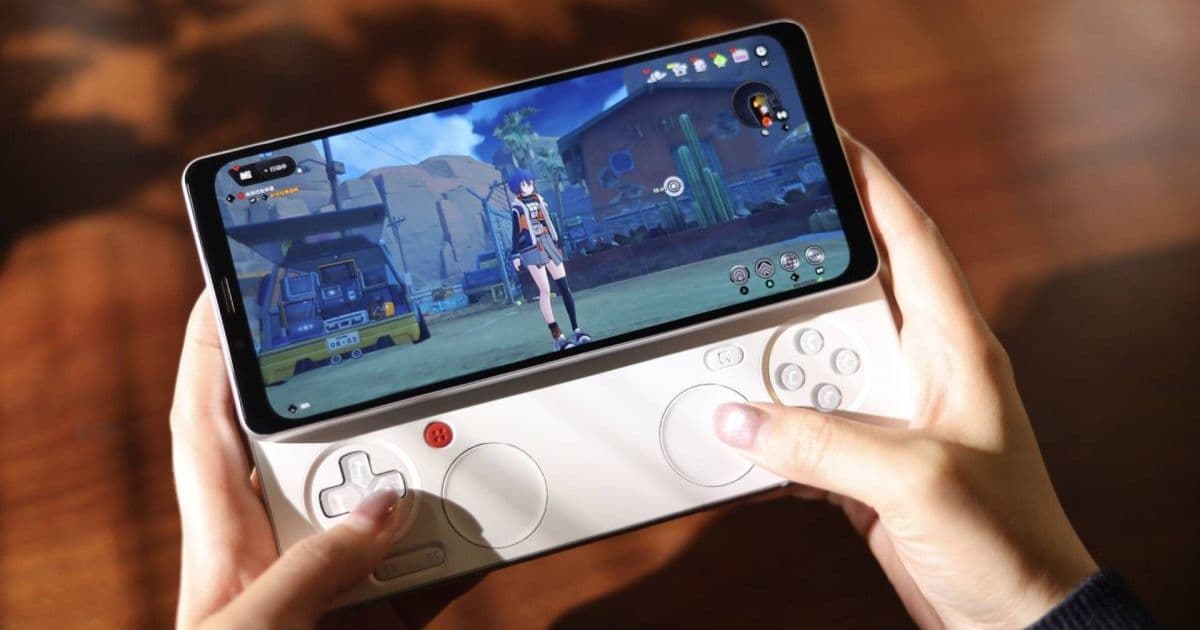
AYANEO's Pocket Play combines smartphone functionality with slide-out game controls, featuring a 6.8-inch 165Hz OLED display and MediaTek Dimensity 9300 processor.
The AYANEO Pocket Play represents an interesting evolution in mobile gaming hardware, blending the convenience of a smartphone with the tactile controls of a dedicated handheld gaming device. Unlike traditional gaming phones that rely primarily on touchscreen controls with optional accessories, the Pocket Play incorporates a slide-out controller mechanism that transforms the device from a standard smartphone into something resembling a Nintendo Switch or Steam Deck.
A Modern Take on an Old Idea
While AYANEO isn't pioneering the slide-out controller concept—Sony's Xperia Play launched with a similar design nearly 15 years ago—the intervening years have brought substantial technological advancements that make the Pocket Play far more capable. Modern smartphones have evolved dramatically since 2011, with processors becoming exponentially more powerful, displays achieving higher refresh rates and better color accuracy, and battery technology improving significantly.
The Pocket Play leverages these advancements with its 6.8-inch OLED display, which boasts a 2400 x 1080 pixel resolution and an impressive 165 Hz refresh rate. This high refresh rate is particularly noteworthy, as it's typically found in premium gaming monitors and high-end gaming phones, suggesting AYANEO is targeting serious mobile gamers who value smooth, responsive gameplay.
Under the Hood: MediaTek Dimensity 9300
The device is powered by MediaTek's Dimensity 9300 processor, an octa-core chip that represents the company's flagship mobile silicon. The architecture is particularly interesting, featuring four Arm Cortex-X4 performance cores and four Cortex-A720 performance cores, with no efficiency cores in this configuration. This design choice prioritizes raw performance over power efficiency, which makes sense for a gaming-focused device where sustained performance during extended gaming sessions is crucial.
The Dimensity 9300 also includes Immortalis G720-MC12 graphics, which should provide excellent 3D rendering capabilities for modern mobile games. The chip supports LPDDR5 RAM with speeds up to 9600 MT/s, though specific RAM configurations for the Pocket Play haven't been announced yet.
Active Cooling: A Gaming Phone First
One of the most distinctive features of the Pocket Play is its inclusion of a fan for active cooling. While most smartphones rely on passive cooling through heat spreaders and vapor chambers, the Pocket Play takes a more aggressive approach. This isn't entirely unprecedented in the gaming phone space—devices like the Asus ROG Phone series have included cooling accessories—but having a built-in fan is relatively rare for a device designed to function as a standard smartphone.
Active cooling becomes particularly important when running demanding games that push the processor to its limits for extended periods. Without adequate cooling, mobile chips typically throttle their performance to prevent overheating, which can result in dropped frame rates and stuttering gameplay. The fan should help maintain consistent performance during long gaming sessions, though it remains to be seen how noticeable the noise will be during regular use.
Controller Layout and Features
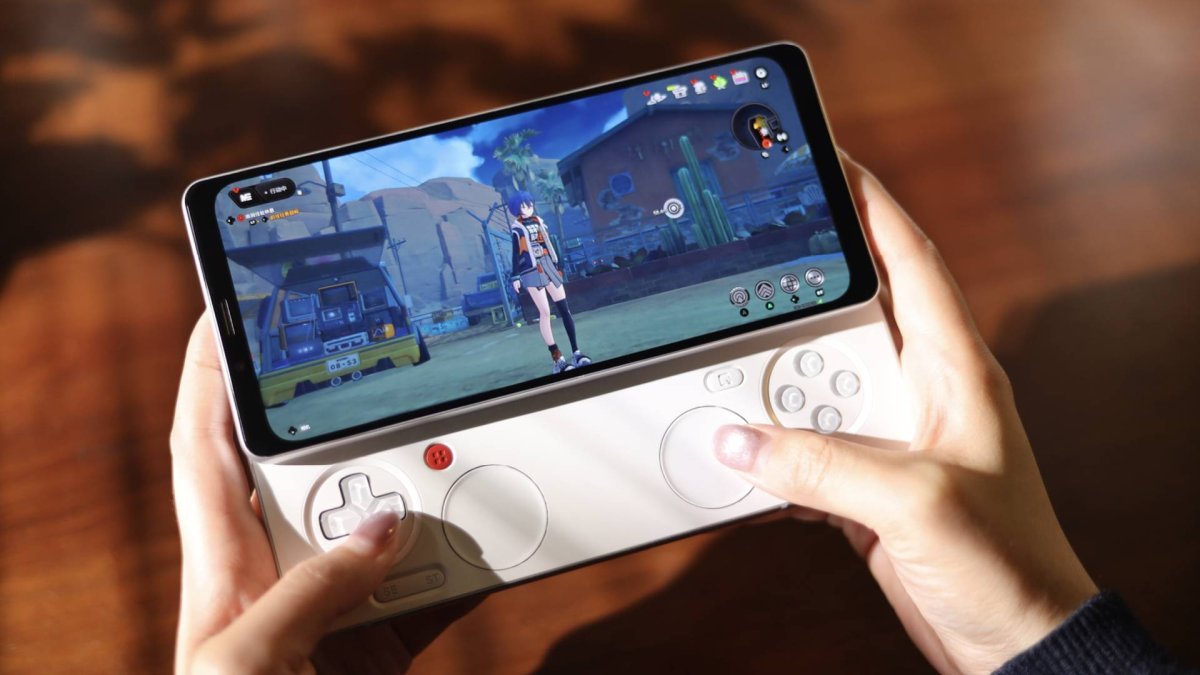
The slide-out controller mechanism reveals a comprehensive control scheme when extended. Users will find a traditional D-Pad, action buttons, and shoulder triggers—the standard layout for console gaming. However, AYANEO has added some interesting touches that expand the device's versatility.
Dual touchpads are integrated into the controller, serving multiple purposes. They can function as virtual joysticks for games designed with analog stick controls in mind, or as touch surfaces for games that expect mouse input. This dual functionality is clever, as it allows the Pocket Play to handle a wider variety of game types without requiring physical joysticks that would protrude when the device is used as a phone.
An 0815 X-axis linear motor provides vibration and haptic feedback, adding another layer of immersion to supported games. This feature, combined with the physical controls, should make the Pocket Play feel more like a traditional gaming device rather than a touchscreen phone with attached buttons.
Connectivity and Expandability
The Pocket Play includes several features that enhance its versatility beyond gaming. A USB 3.2 Gen 2 Type-C port with DisplayPort 1.4 support allows for video output to external displays, potentially enabling the device to serve as a portable gaming console when connected to a TV or monitor. This could be particularly appealing for users who want to play mobile games on a larger screen without streaming or cloud gaming services.
A microSD card reader provides expandable storage, which is valuable for users who want to carry large game libraries or media collections. The inclusion of stereo speakers suggests AYANEO is paying attention to the audio experience, though serious gamers will likely use headphones for the best sound quality.
Dual rear cameras with an LED flash indicate that the Pocket Play is designed to function as a complete smartphone, not just a gaming device. A fingerprint sensor integrated into the power button provides convenient security without requiring additional hardware on the device's face.
Market Positioning and Competition
The gaming phone market has grown increasingly competitive, with companies like Asus, Razer, and Black Shark offering devices specifically designed for mobile gaming. However, most of these competitors focus on enhancing the traditional smartphone experience with gaming-oriented features rather than fundamentally reimagining the form factor.
AYANEO's approach with the Pocket Play is more ambitious, essentially creating a hybrid device that serves as both a smartphone and a handheld gaming console. This positions it somewhat differently from pure gaming phones, potentially appealing to users who want a single device that can handle both everyday smartphone tasks and more serious gaming sessions.
The device will compete not only with gaming phones but also with dedicated handheld gaming devices like the Nintendo Switch, Steam Deck, and various Android-based handhelds. Its smartphone functionality gives it advantages in terms of portability and always-connected capability, but it will need to deliver strong gaming performance to justify its likely premium price point.
Availability and Pricing
AYANEO has announced that the Pocket Play will be available through a Kickstarter crowdfunding campaign, though specific launch dates haven't been revealed. The company mentions that the device will be offered in black, red, white, and grey color options, suggesting multiple aesthetic choices for buyers.
Given AYANEO's history with gaming handhelds and the premium components specified, the Pocket Play is likely to carry a higher price tag than standard smartphones. Crowdfunding campaigns often offer early-bird pricing, which could make the device more accessible to initial backers, though final retail pricing will be crucial in determining its market success.
The Future of Mobile Gaming Hardware
The Pocket Play represents an interesting experiment in mobile gaming form factors. As mobile processors continue to increase in power and efficiency, the line between smartphones and handheld gaming devices becomes increasingly blurred. Devices like the Pocket Play suggest that future mobile gaming hardware might not fit neatly into existing categories but instead offer hybrid experiences that combine the best aspects of multiple device types.
Whether consumers embrace this hybrid approach remains to be seen, but the Pocket Play demonstrates that there's still room for innovation in mobile gaming hardware beyond incremental improvements to traditional smartphone designs. For gamers who want more precise controls than touchscreens can provide but don't want to carry multiple devices, the Pocket Play offers an intriguing alternative that could influence future mobile gaming hardware designs.
Comments
Please log in or register to join the discussion