
Tel Aviv-based Backslash Security has secured $19 million in Series A funding to combat vulnerabilities introduced by AI-generated code in enterprise software development, bringing total investment to $27 million.
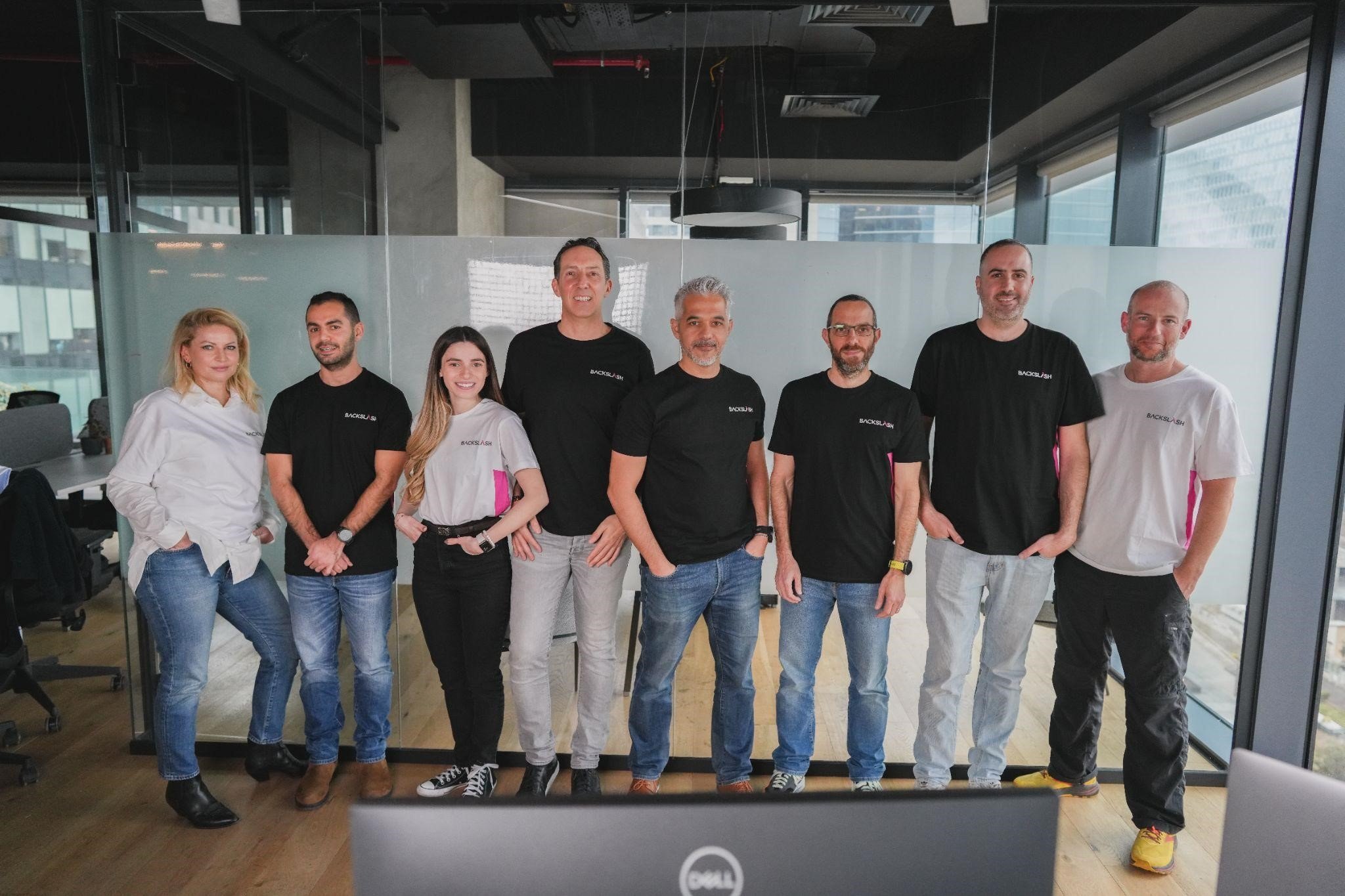
Backslash Security, a Tel Aviv-based startup specializing in software development security, has announced a $19 million Series A funding round. This brings the company's total funding to $27 million as it targets what it terms "vibe coding" risks—security vulnerabilities that emerge when developers over-rely on AI code-generation tools like GitHub Copilot or ChatGPT without adequate oversight.
What's Claimed vs. What's New
Backslash positions itself as solving a gap in application security: the unique vulnerabilities introduced when developers accept AI-suggested code without rigorous review. Unlike traditional SAST (Static Application Security Testing) tools that scan for known vulnerability patterns, Backslash's platform uses specialized machine learning models trained specifically on patterns common to AI-generated code. These include:
- Hardcoded credentials in auto-completed snippets
- Inconsistent error handling across AI-suggested functions
- Outdated or unmaintained dependencies introduced via auto-imports
- License compliance risks from copied code blocks
The system integrates directly into IDEs and CI/CD pipelines, flagging issues in real-time. Backslash claims this approach reduces AI-introduced vulnerabilities by up to 70% during internal tests.
Technical Approach and Limitations
Backslash's core technology analyzes code provenance and context rather than relying solely on signature-based detection. It builds a "code lineage map" tracing how snippets evolve—particularly when AI tools modify existing code. The system prioritizes risks unique to AI-assisted workflows, such as:
- Code that passes unit tests but exhibits insecure patterns (e.g., SQLi-prone string concatenation)
- Dependencies with known vulnerabilities that AI tools might pull in
However, significant limitations exist:
- Coverage Gaps: The platform currently supports JavaScript, Python, Java, and Go, leaving less common languages uncovered.
- False Positives: Like all heuristic-based tools, it struggles with novel coding patterns, potentially flagging safe code.
- Human Factor: It doesn't address the root cause—developers skipping security reviews—acting as a safety net rather than an educational tool.
Market Context and Funding Utility
The funding arrives amid growing enterprise adoption of AI coding assistants. Gartner estimates 60% of developers now use these tools daily, yet security reviews often lag. Backslash's approach reflects a broader trend toward specialized AI-era security layers, similar to tools like Snyk for dependencies or Semgrep for pattern-based scanning.
The Series A (investor undisclosed) will expand Backslash's engineering team and accelerate integration with platforms like GitHub Actions and GitLab CI. Early adopters include financial and healthcare enterprises, though no public case studies exist yet.
Skepticism Check
While automating AI-code review is valuable, experts caution:
- AI-generated vulnerabilities often resemble human-written flaws, questioning the need for entirely new tooling
- Effective mitigation may require combining scanning with mandatory code-review policies
- Competitors like Checkmarx and SonarSource are adding AI-assist modules to existing products
Backslash’s focus on "vibe coding" risks highlights a genuine pain point, but its long-term viability hinges on proving superior accuracy over general-purpose SAST tools as AI coding evolves.
Comments
Please log in or register to join the discussion