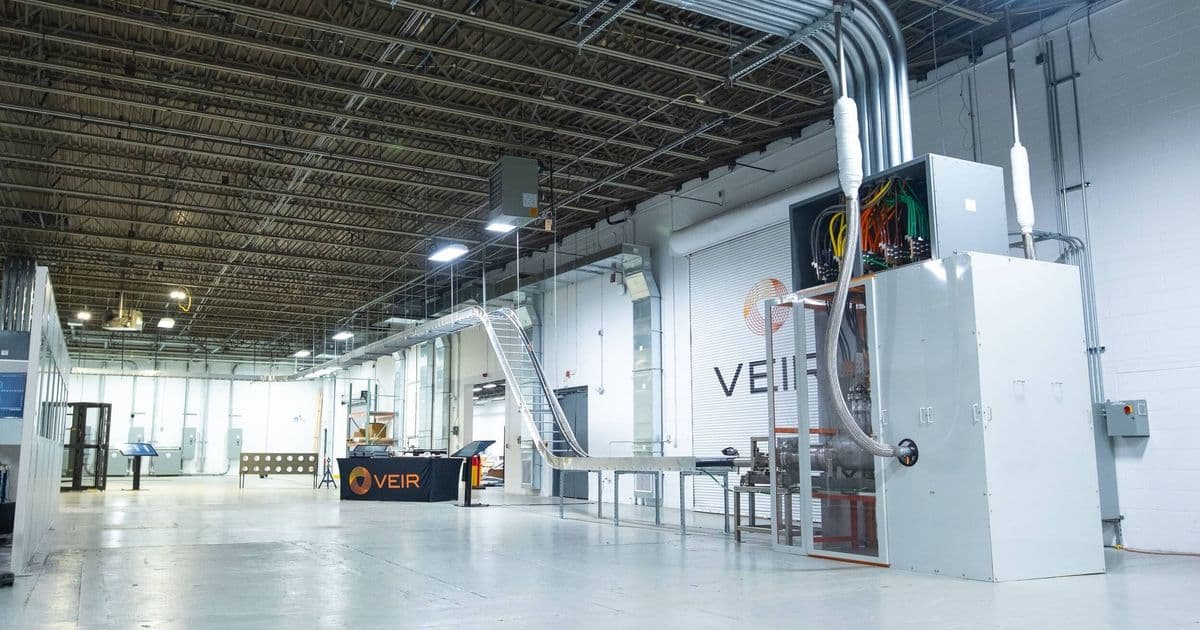
Microsoft's promotion of experimental high-temperature superconducting technology raises questions about immediate environmental accountability amid growing regulatory pressure on datacenter operators.
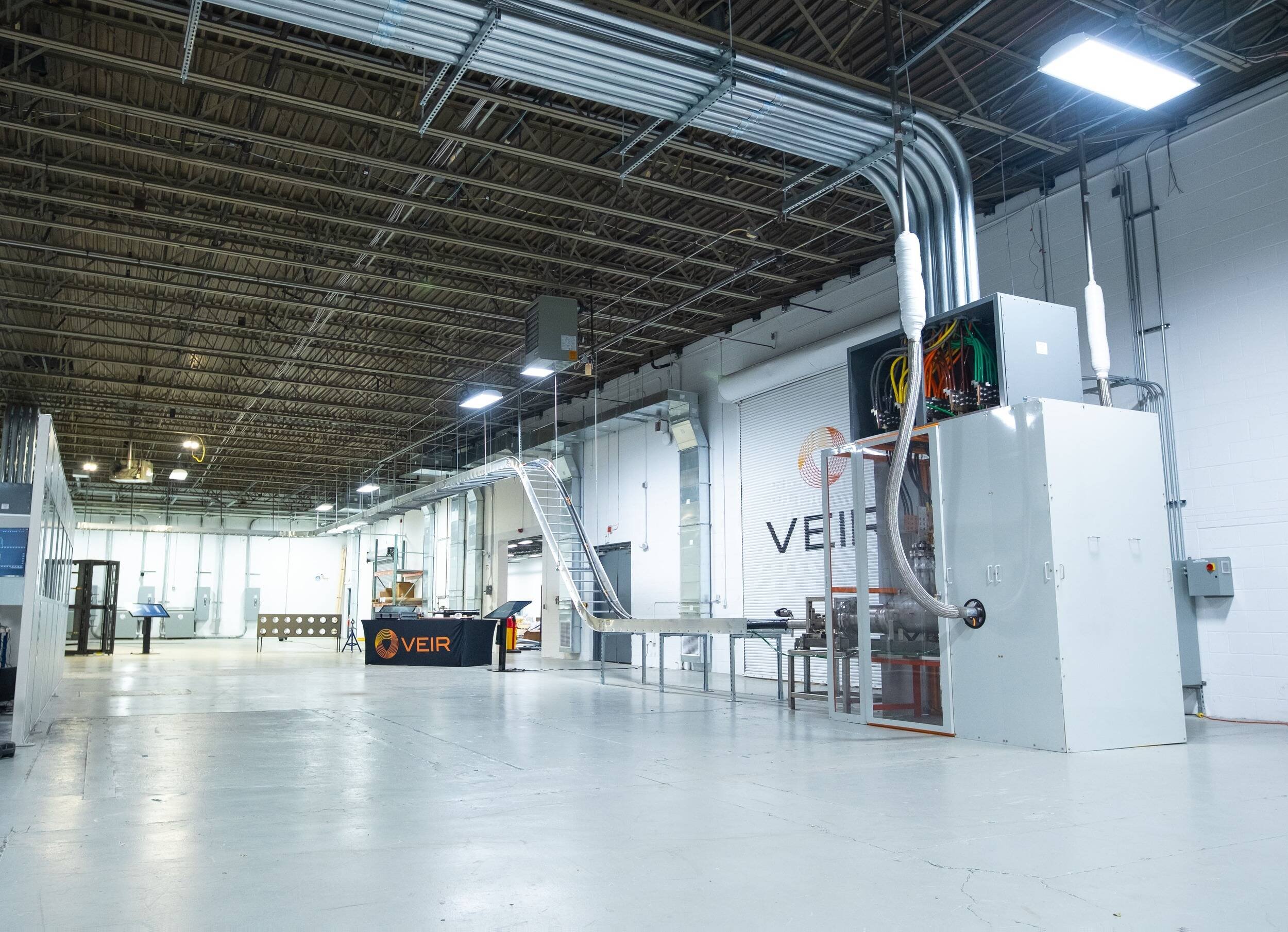
Microsoft's recent promotion of high-temperature superconducting (HTS) technology for future datacenter efficiency comes as regulatory scrutiny of the industry's environmental impact intensifies globally. While the company touts HTS as a potential solution for lossless power delivery in its Azure facilities, the technology remains years from commercial viability, leaving operators vulnerable to immediate sustainability compliance challenges.
Regulatory Pressure Mounts
Datacenter operators face tightening environmental regulations including:
- EU Corporate Sustainability Reporting Directive (CSRD): Requires detailed disclosure of energy consumption and carbon emissions
- California's SB 343: Mandates carbon neutrality for large energy consumers by 2045
- EPA Clean Power Plan: Imposes emissions standards on power-intensive facilities
Failure to meet these standards risks substantial penalties - EU regulators can fine companies up to 4% of global revenue under CSRD non-compliance provisions, while US states increasingly impose carbon offset requirements.
Community Impact Concerns
Local communities bear the brunt of current inefficiencies:
- Power grid strain from traditional copper/aluminum wiring forces capacity limitations
- Cooling system water consumption averages 1.8 million liters daily per 10MW facility
- Land use conflicts escalate as operators seek expansion space for low-density power infrastructure
"When tech giants promote distant solutions while operating inefficient infrastructure today, they externalize environmental costs onto communities," said Elena Torres of Digital Rights Watch. "Regulators must ensure sustainability commitments translate to measurable near-term reductions."
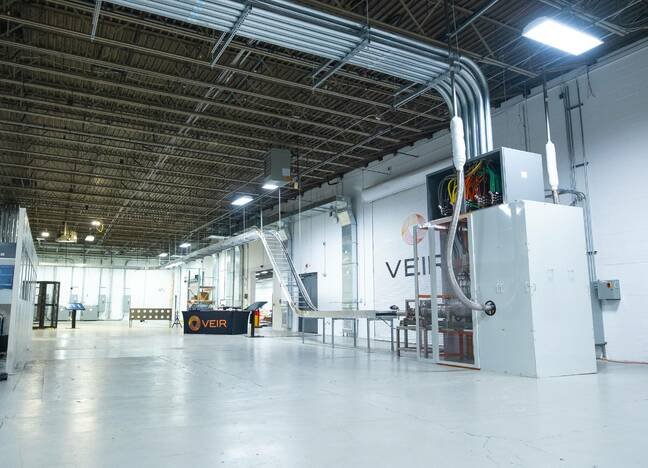 VEIR's November demonstration delivered just 3MW through HTS cables - far below commercial datacenter requirements
The Compliance Gap
Microsoft's partnership with startup Veir yielded only a 3MW proof-of-concept in late 2025. With full commercialization projected no earlier than 2026 and mass adoption likely requiring redesign of fundamental power infrastructure, the technology offers no relief for:
- 2025 EU CSRD compliance deadlines
- California's interim 2030 emissions targets
- Water conservation requirements in drought-stricken regions
Energy analysts note that without immediate efficiency gains, operators face difficult choices: "Every watt lost to resistance in conventional wiring translates to either higher consumer costs or environmental penalties," explained MIT researcher Dr. Arjun Patel. "HTS shows promise, but the regulatory clock is ticking."
Accountability Pathway
Watchdog groups urge concrete actions:
- Transparent reporting of current Power Usage Effectiveness (PUE) metrics
- Interim efficiency investments like advanced liquid cooling systems
- Community benefit agreements for affected regions
As Microsoft acknowledges the need for "rethinking today's approaches to power transmission," environmental regulators emphasize that future promises don't absolve present responsibilities. With datacenter energy demand projected to double by 2027 according to IEA data, the gap between experimental solutions and compliance deadlines continues to widen.
Comments
Please log in or register to join the discussion