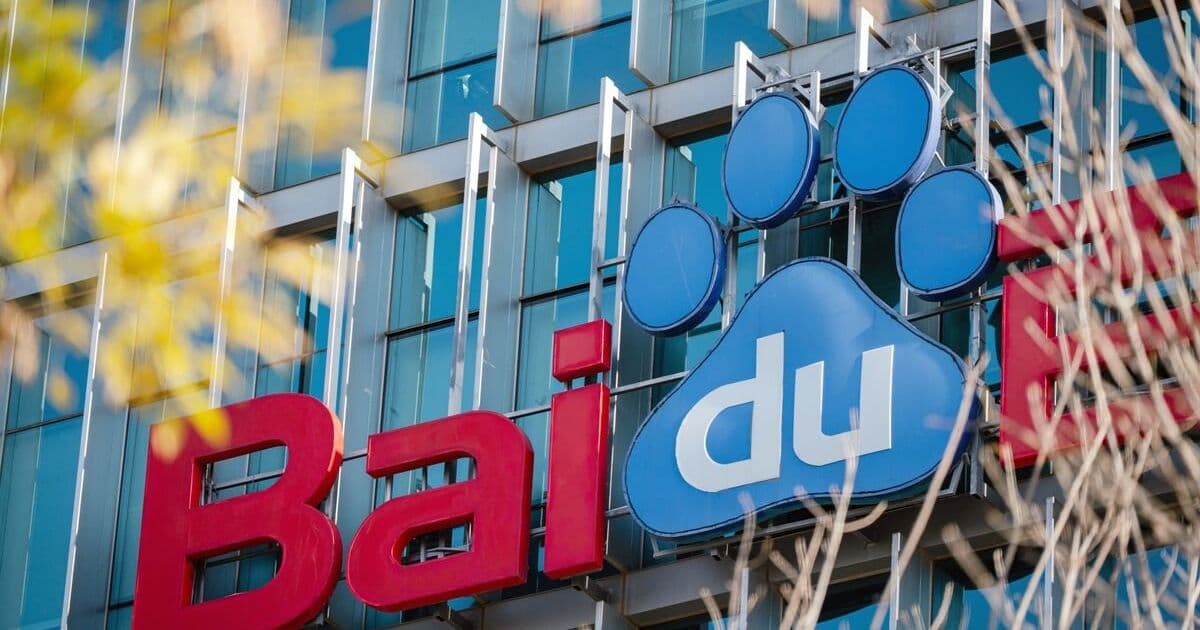
Baidu unveils major capital return program including $5B buyback through 2028 and first dividend in 2026, signaling confidence in AI-driven growth amid intensifying competition with Alibaba and Tencent.
China's leading search engine and AI company Baidu has announced a comprehensive capital return program that includes a stock buyback of up to $5 billion through the end of 2028, along with plans to issue its first-ever dividend in 2026, marking a significant shift in corporate strategy for the tech giant.
The buyback program, which represents one of the largest in Chinese tech history, comes as Baidu seeks to reward shareholders while investing heavily in artificial intelligence development. The company's move follows similar capital return initiatives from other major Chinese tech firms, though Baidu's scale and timing appear particularly aggressive given current market conditions.
Strategic Timing and Market Context
The announcement arrives amid intensifying competition in China's AI sector, where Baidu faces pressure from both domestic rivals like Alibaba and Tencent, as well as emerging players backed by significant government support. The company's decision to commit substantial capital to shareholder returns while maintaining AI investment suggests confidence in its competitive positioning and cash flow generation.
Industry analysts note that Baidu's timing is particularly noteworthy given recent market volatility in Chinese tech stocks and broader economic uncertainty. The buyback program could provide support for the company's share price while signaling management's belief that current valuations understate the company's long-term potential.
AI Investment Continues Amid Returns
Despite the substantial capital return commitment, Baidu has emphasized that its AI development efforts remain a top priority. The company has been investing heavily in large language models and AI infrastructure, positioning itself as China's answer to OpenAI and other Western AI leaders.
The dividend announcement for 2026 represents another milestone, as Baidu has historically reinvested all profits into growth initiatives. This shift suggests the company believes it has reached a scale where it can balance shareholder returns with continued investment in emerging technologies.
Competitive Landscape Implications
Baidu's move comes as Chinese tech companies face increasing pressure to demonstrate returns on massive AI investments. While companies like Alibaba and Tencent have announced various shareholder-friendly initiatives, Baidu's combination of a large buyback program and first dividend appears more aggressive than recent moves by its peers.
Market observers suggest this could trigger a wave of similar announcements from other Chinese tech giants, particularly as they seek to differentiate themselves in an increasingly competitive AI landscape. The timing also coincides with growing investor focus on capital efficiency in the tech sector globally.
Financial Market Response
Following the announcement, Baidu's American Depositary Shares saw modest gains in pre-market trading, though the broader market reaction was tempered by concerns about the company's ability to fund both the buyback program and continued AI investment.
Financial analysts have begun reassessing Baidu's cash flow projections and capital allocation strategy, with some suggesting the company may need to adjust its investment plans or seek additional funding sources to support its ambitious AI roadmap alongside the new capital return program.
Regulatory and Economic Considerations
The announcement comes at a sensitive time for Chinese tech companies, which face ongoing regulatory scrutiny and economic headwinds. Baidu's decision to commit significant capital to shareholder returns could be seen as a vote of confidence in both its business model and the broader Chinese technology sector.
However, some market participants have raised questions about whether the company's capital allocation strategy adequately balances short-term shareholder returns with long-term competitive positioning in the rapidly evolving AI landscape.
Looking Ahead
As Baidu moves forward with its capital return program, investors and industry observers will be watching closely to see how the company balances these commitments with its AI development goals. The success of this strategy could have significant implications not just for Baidu, but for the broader Chinese tech sector's approach to capital allocation and shareholder returns.
The coming months will likely see increased scrutiny of Baidu's cash flow generation and investment priorities, particularly as the company seeks to maintain its position in the intensifying AI race while delivering on its new capital return commitments.
Related Tech News
While Baidu's announcement dominated headlines, the broader tech sector saw significant activity across multiple fronts:
- Alphabet reported strong Q4 results with 18% revenue growth and announced plans to double capital expenditure to $175-185 billion in 2026
- Microsoft integrated Claude and Codex AI coding agents into GitHub and Visual Studio Code
- Amazon rolled out Alexa+ to all Prime members in the US
- Multiple AI startups raised substantial funding rounds, including ElevenLabs at an $11 billion valuation
These developments underscore the ongoing transformation of the tech industry, with AI at the center of strategic decisions across major players and emerging companies alike.
Market Impact
The tech sector continues to see significant capital flows into AI development and infrastructure, with major companies announcing substantial investment plans alongside various shareholder return initiatives. Baidu's announcement adds another dimension to this trend, potentially influencing how other companies balance growth investment with capital returns.
As the AI race intensifies globally, companies face increasing pressure to demonstrate both technological progress and financial returns, making capital allocation decisions like Baidu's particularly significant for understanding broader industry trends and competitive dynamics.
Comments
Please log in or register to join the discussion