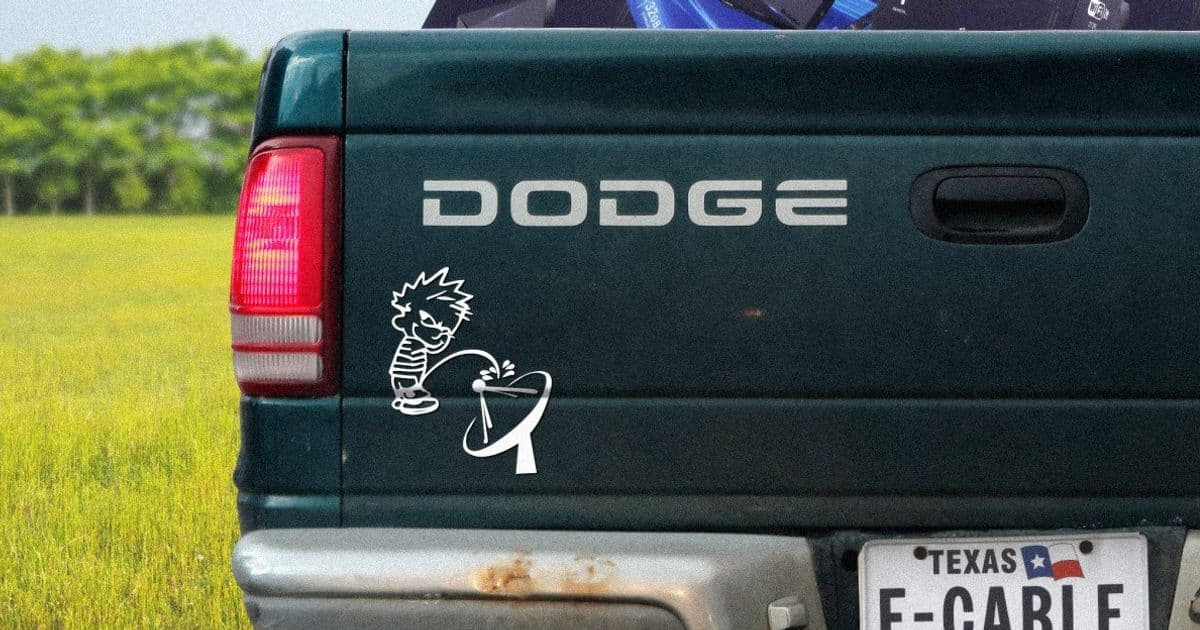
An informal network of hardware resellers is capitalizing on streaming fragmentation by selling modified devices that bypass paywalls, costing media companies billions in lost revenue while highlighting structural vulnerabilities in the entertainment ecosystem.

The proliferation of unauthorized streaming devices represents a growing threat to media revenue streams, with resellers operating in informal markets generating an estimated $1.2-1.8 billion annually by providing hardware-enabled access to premium content without payment.
These operations typically sell modified Android TV boxes and Fire TV sticks for $50-$200 upfront, then charge $10-$20 monthly for ongoing service access. Devices come preloaded with applications like Kodi and modified APKs that bypass authentication systems for services including ESPN+, Netflix, HBO Max, and live sports broadcasts through illicit IPTV services. Resellers maintain profitability through volume sales and recurring subscriptions, with established operators reportedly serving thousands of customers.
Market impact metrics reveal significant financial leakage:
- Sports programming piracy alone costs rights holders $3.2 billion annually (Digital Citizens Alliance)
- Pay-TV operators attribute 15-20% of subscriber attrition to piracy-enabled cord-cutting
- Streaming services experience 6-9% revenue loss from credential sharing and device bypasses (Park Associates)
The business model thrives due to three structural factors:
- Content fragmentation: Consumers facing $120+ monthly costs for comprehensive legal access
- Technology accessibility: Off-the-shelf hardware requires minimal modification
- Enforcement gaps: Resellers operate through ephemeral storefronts and encrypted channels
Media companies are responding through coordinated litigation and technical countermeasures:
- The Alliance for Creativity and Entertainment has shut down 1,200+ piracy operations since 2023
- Watermarking technology now traces 92% of pirated sports content to source streams
- New authentication protocols require hardware-level verification on streaming devices
Despite these efforts, the economics remain favorable for resellers. With production costs for modified devices under $35 and customer acquisition through social media and local markets, operators achieve 45-60% gross margins. The model demonstrates remarkable resilience, with shutdown operations typically reappearing under new branding within 30 days.
Strategic implications for media companies include:
- Accelerating bundle offerings to reduce consumer friction
- Developing forensic watermarking for all premium live content by 2027
- Lobbying for ISP-level piracy blocking in key markets
- Exploring blockchain-based content authentication systems
As streaming service price increases outpace inflation (+32% vs 18% CPI 2023-2026), the economic incentive for piracy solutions continues to grow. This underground market underscores the delicate balance between content monetization and accessibility in the digital media landscape, with billions in annual revenue hanging in the balance.
Comments
Please log in or register to join the discussion