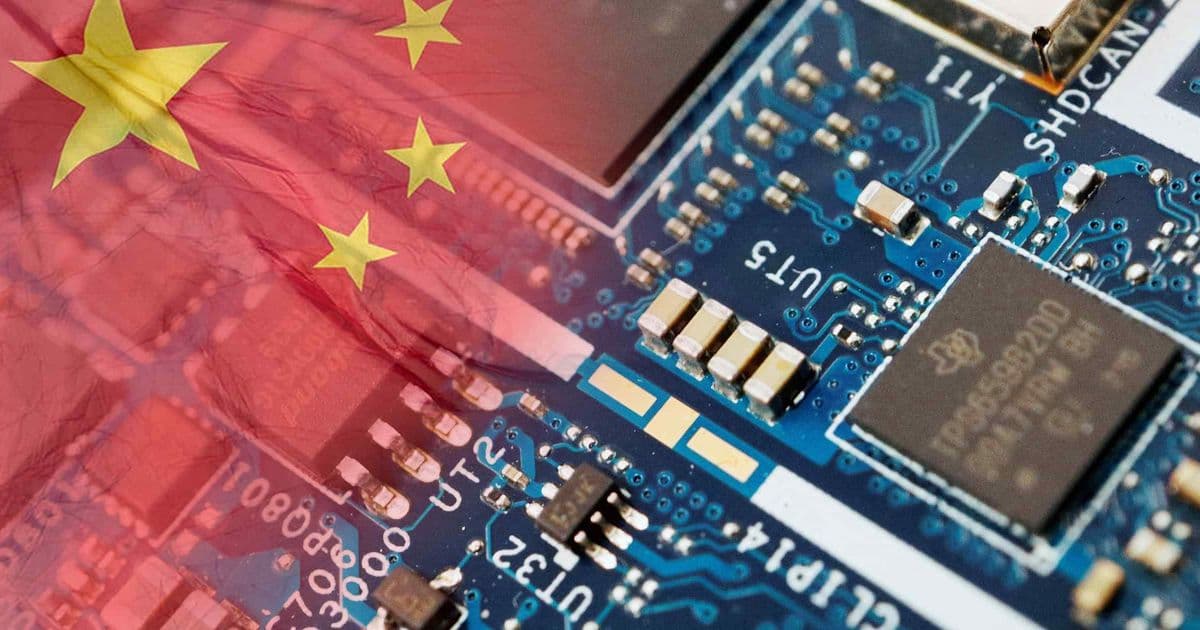
Major PC manufacturers are exploring sourcing DRAM chips from Chinese suppliers like CXMT, marking a potential shift in global semiconductor procurement amid ongoing supply chain pressures.
The global PC manufacturing landscape is experiencing a significant shift as major players including HP, Dell, Acer, and Asus are considering sourcing memory chips from Chinese suppliers for the first time, according to sources familiar with the matter cited by Nikkei Asia.
This potential move represents a notable departure from the traditional reliance on South Korean giants Samsung and SK Hynix, as well as American company Micron. Currently, HP and Dell are in the process of qualifying DRAM products from China's leading memory chipmaker, Changxin Memory Technologies (CXMT), signaling a cautious but deliberate exploration of alternative supply chains.
The Strategic Imperative Behind the Shift
The consideration of Chinese memory suppliers comes amid persistent supply chain disruptions and the ongoing semiconductor shortage that has plagued the tech industry since 2020. PC manufacturers have been under pressure to diversify their supplier base to reduce dependency on traditional suppliers and mitigate risks associated with geopolitical tensions.
China has been aggressively investing in its domestic semiconductor industry, with CXMT emerging as a viable alternative to established players. The company has been making steady progress in developing DRAM technology, though it still lags behind industry leaders in terms of process node advancement and yield rates.
Current Qualification Process
Sources indicate that HP and Dell are currently in the qualification phase for CXMT's DRAM products. This process involves rigorous testing to ensure the chips meet the quality, reliability, and performance standards required for their product lines. The qualification process typically takes several months and involves testing under various conditions to simulate real-world usage scenarios.
If successful, this could open the door for broader adoption across the industry. However, manufacturers are proceeding cautiously, given the critical nature of memory components in PC performance and the potential reputational risks associated with quality issues.
Industry Implications
Should these PC makers successfully integrate Chinese memory chips into their supply chains, it could have far-reaching implications for the global semiconductor industry. It would validate China's efforts to develop domestic semiconductor capabilities and potentially accelerate the country's goal of reducing reliance on foreign technology.
For the established memory chip manufacturers, this development represents increased competition in an already challenging market. The DRAM market has been characterized by cyclical oversupply and pricing pressures, and the entry of additional suppliers could further intensify these dynamics.
Technical Considerations
While CXMT has made progress in DRAM development, questions remain about its ability to match the performance and reliability of established suppliers, particularly in high-end applications. The company's current offerings are primarily focused on mainstream and entry-level segments, though it has announced plans to develop more advanced process nodes.
PC manufacturers will need to carefully evaluate the trade-offs between cost savings and potential performance differences. Memory performance can significantly impact overall system responsiveness, particularly in applications that are memory-intensive.
Geopolitical Context
The move comes against the backdrop of ongoing trade tensions between the United States and China. The U.S. government has implemented export controls on advanced semiconductor manufacturing equipment to China, which could potentially impact the development of more advanced memory technologies.
PC manufacturers will need to navigate these geopolitical complexities carefully, balancing the potential benefits of diversification against the risks of becoming entangled in broader trade disputes.
Market Response
The news has been met with mixed reactions from industry analysts. Some view it as a pragmatic response to supply chain vulnerabilities, while others express concern about potential quality and reliability issues that could arise from working with less established suppliers.
Memory chip prices have been under pressure in recent quarters due to oversupply, and the potential entry of additional suppliers could further impact pricing dynamics. This could benefit PC manufacturers in terms of component costs but may also compress margins for memory chip producers.
Timeline and Next Steps
While HP and Dell are currently in the qualification phase, it remains unclear when or if they will begin mass production with Chinese memory suppliers. The process is likely to be gradual, with initial volumes potentially limited to specific product lines or market segments.
Other PC manufacturers mentioned in the report - Acer and Asus - are said to be considering similar moves but have not yet begun formal qualification processes. Their decisions will likely be influenced by the outcomes of HP and Dell's efforts.
The semiconductor industry will be watching closely as this situation develops, as it could signal a broader shift in global supply chain patterns that have remained relatively stable for decades.
Looking Ahead
The potential sourcing of memory chips from Chinese suppliers by major PC manufacturers represents a significant development in the global technology supply chain. It reflects the industry's ongoing efforts to build resilience and reduce dependency on specific geographic regions or suppliers.
As the qualification processes continue and more details emerge about the technical capabilities and reliability of Chinese memory products, the industry will gain a clearer picture of whether this represents a temporary diversification strategy or a more fundamental shift in global semiconductor procurement patterns.
The outcome could have lasting implications for the competitive landscape of the memory chip industry and the broader technology supply chain ecosystem.
Comments
Please log in or register to join the discussion