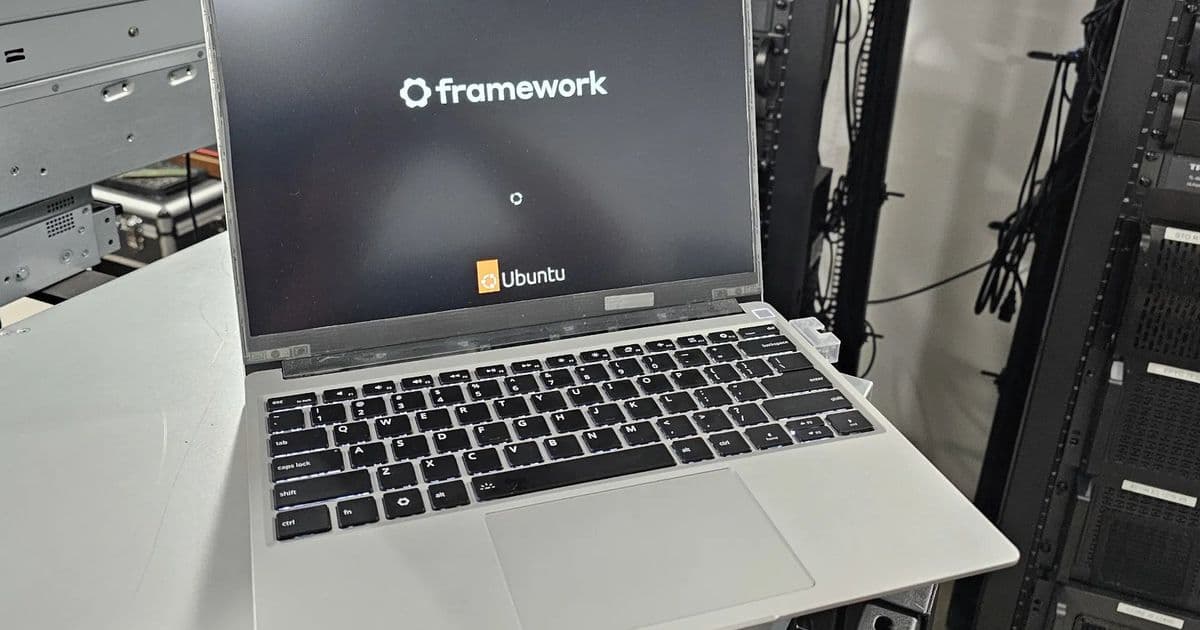
The Framework 13 AMD laptop will gain fan target speed control and temperature threshold support through Linux 7.0 kernel updates, improving thermal management for ChromeOS EC-based devices.
The Framework 13 AMD laptop is set to receive significant thermal management improvements with the upcoming Linux 7.0 kernel, thanks to new fan control and temperature threshold support being developed for ChromeOS Embedded Controller (EC) devices.
Fan Target Speed Control
Thomas Weißschuh has been extending the ChromeOS EC driver "cros_ec" to add fan target speed control functionality. This enhancement focuses primarily on the Framework 13 AMD model but will benefit other ChromeOS EC-backed devices where the hardware capabilities exist.
The fan target support allows users and system administrators to set specific fan speed targets, providing more granular control over cooling performance and acoustic profiles. This is particularly valuable for users who want to balance performance with noise levels in different usage scenarios.
Temperature Threshold Implementation
Beyond fan speed control, the development work implements comprehensive temperature threshold handling across all temperature sensors on the device. The implementation follows Linux hardware monitoring (HWMON) subsystem semantics, ensuring consistency with existing thermal management tools and frameworks.
Threshold Mapping
The temperature thresholds are mapped as follows:
- hwmon_temp_max: Warning temperature threshold
- hwmon_temp_crit: Mapped to the EC's high threshold
- hwmon_temp_emergency: Triggers system halt threshold
This mapping provides a clear escalation path for thermal events, from warnings through critical conditions to emergency shutdown scenarios, helping protect hardware from thermal damage.
Development Status and Timeline
The thermal management improvements have been queued into the hwmon-next Git branch, which contains the latest hardware monitoring patches. Being in the "-next" branch indicates these changes are in the final stages before mainline integration.
With the work now in the development branch, the features are expected to be merged as part of the Linux 6.20~7.0 kernel cycle. This timeline suggests users can expect these enhancements in the next major kernel release, likely within the next few months depending on the development and stabilization process.
Broader Impact
While the development focus has been on the Framework 13 AMD laptop, this work benefits the broader ecosystem of ChromeOS EC-based devices. Any device using the ChromeOS Embedded Controller with similar capabilities will be able to leverage these thermal management improvements.
The implementation follows established HWMON subsystem patterns, making it easier for system monitoring tools, desktop environments, and power management frameworks to integrate with these new capabilities without requiring significant changes to their codebases.
Practical Benefits
For Framework 13 AMD users, these improvements mean:
- More precise fan speed control for balancing performance and noise
- Better thermal monitoring with standardized temperature thresholds
- Improved system protection through properly configured emergency shutdown temperatures
- Enhanced compatibility with Linux thermal management tools and utilities
These features address a common request from Linux users who want more control over their laptop's thermal behavior, particularly for tasks that push the hardware to its limits while maintaining acceptable noise levels.

The Framework 13 AMD laptop will benefit from these Linux kernel improvements, providing users with enhanced thermal management capabilities through the ChromeOS Embedded Controller interface.
Comments
Please log in or register to join the discussion