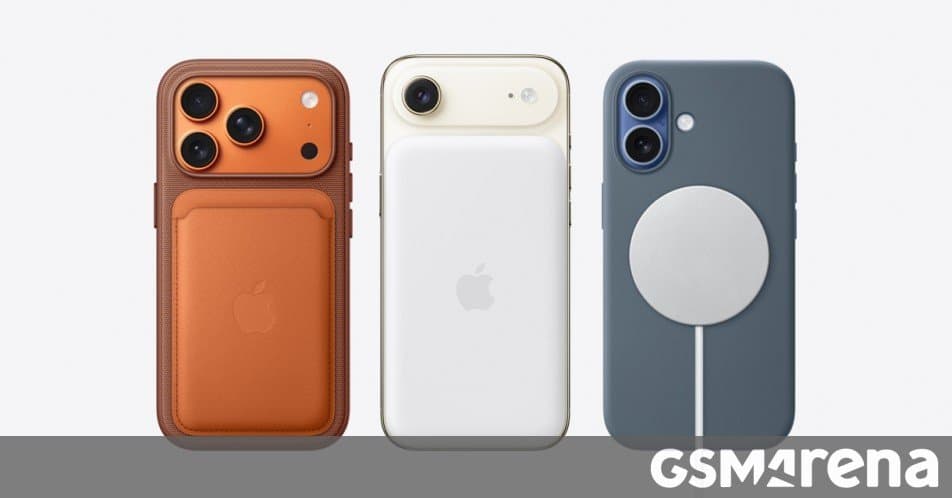
Google's Pixel 10 series finally brings MagSafe-style magnetic charging to Android, but years of hesitation have left the ecosystem playing catch-up with Apple's established accessory market.
The smartphone industry moves in waves, with innovations rippling across platforms at different speeds. While Apple introduced MagSafe wireless charging with the iPhone 12 in 2020, Android manufacturers have been remarkably slow to adopt magnetic charging technology, even after the Qi standard officially added a Magnetic Charging Profile. Now, with Google's Pixel 10 series embracing Pixelsnap accessories and Samsung preparing its Magnet Wireless Charger for the Galaxy S26, the question becomes: how important is magnetic wireless charging to you?
The Technology That Changed Everything
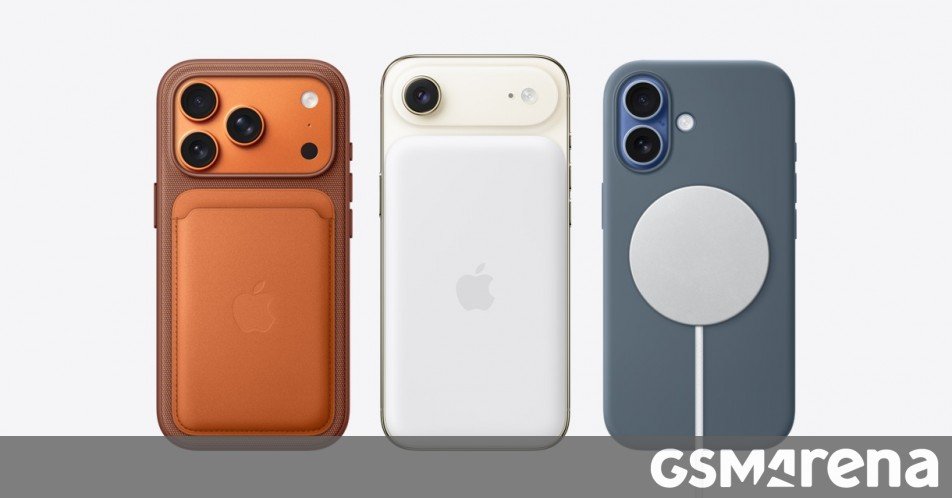
Apple's MagSafe wasn't just another wireless charging standard—it was a fundamental rethinking of how we interact with our devices. Traditional wireless charging relies on either perfect manual alignment between charging coils or gravity to keep the phone and charger together. This often results in misaligned coils, which generate heat and reduce charging efficiency. MagSafe solved this elegantly with magnets that automatically align the coils perfectly every time.
The technology is deceptively simple: a ring of magnets embedded in the phone and charger that snap together with satisfying precision. This seemingly minor improvement addresses one of wireless charging's biggest pain points—the frustration of waking up to find your phone didn't charge overnight because it was slightly off-center.
Android's Reluctant Adoption
Despite the clear benefits, Android manufacturers have been hesitant to embrace magnetic charging. The HMD Skyline became the first Android phone with built-in magnets, followed by several Chinese manufacturers who took a half-measure approach—magnets inside select cases rather than integrated into the phones themselves. This fragmented approach meant Android users missed out on the growing ecosystem of magnetic accessories that Apple users enjoyed.
Google's Pixel 10 series marks a significant shift, finally bringing native magnetic charging support to Android with Pixelsnap accessories. Meanwhile, Samsung's Magnet Wireless Charger has already surfaced ahead of the Galaxy S26 launch, suggesting the Korean giant is ready to compete in this space.
Beyond Charging: The Accessory Ecosystem
Here's where the real value of magnetic charging becomes apparent. It's not just about wireless charging—it's about creating an entire ecosystem of accessories that snap effortlessly to your phone. Third-party companies have developed MagSafe camera grips for mobile photography enthusiasts, external SSDs for content creators, game controllers for mobile gaming, and even specialized grips for people with disabilities.
The magnetic attachment system enables phone holders for cars that are infinitely more convenient than traditional mounts, small wallets that attach securely to the back of your phone, and countless other innovations that make our devices more versatile. Android phones have been missing out on this entire category of accessories because manufacturers dragged their feet on adopting the standard.
The Practical Reality
Some users argue that wireless charging itself is unnecessary—why use a cable that charges faster? But for millions of people, particularly those who use their phones professionally, magnetic charging offers practical advantages. DoorDash drivers alone represent 7 million users who constantly plug and unplug their phones throughout the day. For these users, magnetic charging isn't a luxury—it's a necessity that reduces wear on charging ports and makes the daily routine more efficient.
Even for casual users, the convenience factor is significant. The ability to quickly grab your phone from a magnetic mount in the car, or to attach a wallet for a night out without fumbling with cases or adhesives, represents a meaningful improvement in daily usability.
The Efficiency Question
Beyond convenience, magnetic charging addresses a fundamental technical issue with wireless charging: efficiency. Misaligned coils generate heat and waste energy, potentially degrading battery health over time. By ensuring perfect alignment every time, magnetic charging systems can charge more efficiently and safely, potentially extending the lifespan of your device's battery.
Looking Forward
As Android manufacturers finally embrace magnetic charging, we're likely to see an explosion of accessories similar to what Apple experienced. The question for consumers becomes: how important will magnetic charging support be when choosing your next phone?
For early adopters and power users, it may be a deciding factor. For others, it might be a nice-to-have feature that becomes more valuable as the accessory ecosystem develops. But one thing is clear: magnetic charging isn't just a gimmick—it's a technology that addresses real pain points in how we use our devices every day.
The smartphone market is increasingly competitive, and features that enhance the overall user experience—even in small ways—can make a significant difference. As Android catches up to Apple in this space, we may see magnetic charging evolve from a differentiator to a standard feature that users expect in their next device.
Comments
Please log in or register to join the discussion