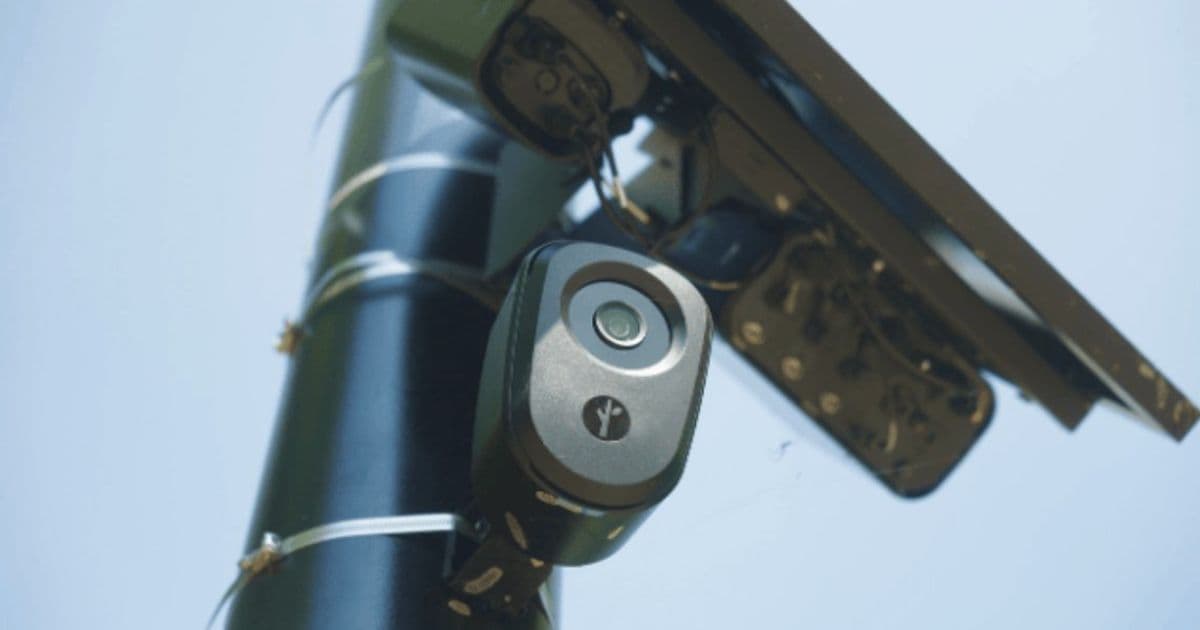
After a narrow 3‑2 vote, the tiny Texas town of Bandera terminated its contract with surveillance firm Flock, ending a controversial license‑plate reader program. In response, dissenting councilmember Jeff Flowers announced plans to introduce a sweeping ban on smartphones, internet service, and public cameras, framing the proposal as a “Bandera Declaration of Digital Independence.” The episode highlights the tension between small‑town safety initiatives and resident privacy concerns.
Bandera, Texas Ends Flock License‑Plate Cameras, Councilmember Proposes Broad Tech Ban

The decision to pull the plug on Flock
Bandera, a community of roughly 900 residents in central Texas, voted 3‑2 to terminate its agreement with Flock Safety, a company that supplies AI‑driven license‑plate reader (LPR) cameras. The town had received a state grant to install eight of these units on municipal poles. From the start, the project sparked heated town‑hall debates. Residents argued that the cameras turned public streets into a de‑facto surveillance grid, while supporters pointed to the potential for faster stolen‑vehicle recovery and stolen‑property alerts.
Vandalism soon followed: several camera poles were knocked down or set on fire, forcing the town to replace hardware at its own expense. After months of protests, the council formally rescinded the contract last week, citing both community backlash and the mounting cost of repairs.
A councilmember’s radical response
The vote triggered an unexpected reaction from Councilmember Jeff Flowers, one of the two dissenting votes and a vocal advocate for the Flock system. In a letter to the Bandera Bulletin, Flowers warned that abandoning the cameras would leave the town vulnerable to crime and suggested that the only way to guarantee privacy was to ban most modern technology.
His proposed “Bandera Declaration of Digital Independence” includes:
- A prohibition on cellular and GPS‑enabled devices within city limits, effectively requiring residents to leave smartphones at the town border.
- A ban on outward‑facing cameras, covering everything from security cameras on businesses to personal dash cams.
- Termination of all broadband and internet services provided by the municipality, with a shift back to paper ledgers and cash‑only transactions.
Flowers framed the measures as a return to the simplicity of the 1880s, arguing that “if we are to be truly private, we must leave our smartphones at the city line.” He dismissed criticism as “Nazi rhetoric” and suggested that opponents were hypocritical for demanding safety while rejecting surveillance.
Why the proposal matters
While the idea of a town‑wide tech ban may sound extreme, it surfaces a broader question: how should small municipalities balance public safety tools with resident privacy?
- Cost vs. benefit – The Flock system cost the town not only the grant money but also additional funds for repeated pole replacements. For a community of under a thousand people, the per‑resident expense quickly becomes significant.
- Legal considerations – Texas law permits municipalities to use LPR technology, but bans on personal devices or internet service could clash with state consumer protection statutes and federal communications regulations.
- Precedent – Few U.S. towns have attempted to restrict personal technology in this way. The closest analogues are school districts that limit phone use on campus or municipalities that ban public Wi‑Fi, but a blanket ban on smartphones and internet would be unprecedented.
- Community cohesion – The debate illustrates how technology can become a flashpoint for broader cultural divides. Residents who value privacy may feel alienated by surveillance, while those prioritizing safety may view privacy‑focused measures as naïve.
What’s next for Bandura?
The council is scheduled to meet next month to consider Flowers’ proposals. The meeting will likely draw a crowd of both supporters and opponents, mirroring the turnout at previous LPR hearings. If the bans move forward, the town would need to address practical challenges such as:
- Enforcement – Policing the possession of smartphones or internet routers would require resources the town may not have.
- Economic impact – Local businesses rely on digital payments and online marketing; a forced return to cash could hurt revenue.
- Emergency services – Modern dispatch systems depend on cellular and GPS data. Removing those tools could slow response times.
A broader lesson for small towns
Bandera’s experience offers a cautionary tale for other municipalities considering AI‑driven surveillance. The technology itself is not inherently problematic; the process of community engagement, cost transparency, and clear governance determines whether it adds value or fuels division.
Stakeholders in similar towns should:
- Conduct independent impact assessments that weigh crime‑prevention benefits against privacy costs.
- Establish clear data‑retention policies and oversight committees to manage any collected footage.
- Explore low‑cost alternatives, such as community‑run watch programs, before committing to expensive vendor contracts.
Where to learn more
- The Flock Safety website explains how its LPR cameras work and lists case studies from other municipalities: https://www.flockSafety.com
- A recent Texas Attorney General opinion on the legality of municipal LPR use provides legal context: https://www.texasattorneygeneral.gov
- For a deeper look at the ethics of public surveillance, see the Electronic Frontier Foundation’s guide: https://www.eff.org/issues/surveillance
If you have additional information about the Flock deployment in Bandera or the upcoming council proposals, feel free to reach out securely via Signal at jason.404 or email [email protected].
Comments
Please log in or register to join the discussion