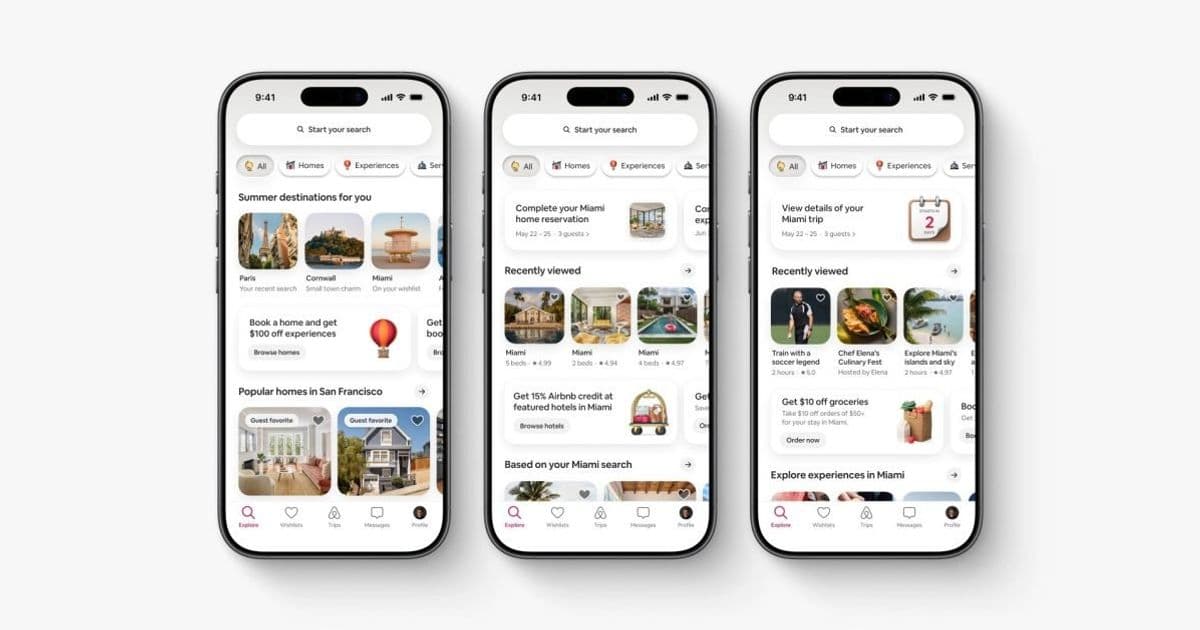
Airbnb’s latest release adds AI‑driven review tools, new services and boutique‑hotel bookings to its iOS and Android apps. The update brings SDK bumps, new permission scopes and cross‑platform considerations that developers must address when targeting iOS 17+ and Android 14+.
Airbnb’s 2026 App Upgrade: What iOS and Android Developers Need to Know
Airbnb rolled out a major refresh of its mobile experience on May 20, 2026. The update is more than a visual redesign; it introduces AI‑generated review highlights, a comparison engine, a multilingual support bot and four new services (grocery delivery, airport pickups, luggage storage, car rentals). For developers maintaining the Airbnb client on both iOS and Android, the change list translates into concrete SDK version requirements, new permission models, and cross‑platform integration points.
Platform updates
| Platform | Minimum OS | SDK version | Notable API changes |
|---|---|---|---|
| iOS | iOS 17.0 | Xcode 15.4 (iOS 17 SDK) | New Privacy‑Sensitive Data categories for location‑based services; MapKit now supports shared itineraries via MKSharedRoute. |
| Android | Android 14 (API 34) | Android Studio 2023.3.1 (Android 14 SDK) | Updated Foreground Service rules for car‑rental bookings; Location permissions split into ACCESS_FINE_LOCATION and ACCESS_BACKGROUND_LOCATION with stricter runtime prompts. |
Both platforms now require App Store and Google Play listings to disclose the AI‑generated content features under the “AI‑Generated Content” policy. Failure to add the required metadata will result in rejection during the next review cycle.
Developer impact
1. AI‑powered review highlights and comparison view
Airbnb’s backend now returns a JSON payload that includes a summary field generated by a large language model. The iOS client consumes this via the new ReviewSummary endpoint (/v2/reviews/summary). Android uses the same endpoint but expects the response to be wrapped in a LiveData object for lifecycle awareness.
iOS considerations
- Add
NSPrivacyAccessedAPICategoryentries forAIModelUsagein theInfo.plist. - Update the networking layer to handle the
application/vnd.airbnb.review+jsonMIME type. - Use
SwiftUI’sAsyncImageto lazily load the AI‑generated thumbnail images.
Android considerations
- Include the
android:exported="true"flag on theReviewSummaryServiceto satisfy Android 14’s component visibility rules. - Migrate existing
AsyncTaskcalls toKotlin CoroutineswithFlowfor streaming the summary data. - Add the
android:usesCleartextTraffic="false"attribute; the new endpoint enforces TLS 1.3.
2. New services integration (grocery, airport pickup, luggage storage, car rentals)
Each service is exposed through a separate micro‑service endpoint. The mobile SDK now ships a ServiceDiscovery module that abstracts the partner APIs (Instacart, Welcome Pickups, Bounce, and the internal car‑rental marketplace).
Key SDK changes
- iOS:
AirbnbServicesKitversion 3.2 addsServiceProviderprotocols. ImplementGroceryProvider,PickupProvider,StorageProvider, andCarRentalProviderto receive callbacks for order status. - Android:
airbnb-serviceslibrary version 2.9 introducesServiceManagerwith a builder pattern. The library now requires Google Play Services 24.0+ for location tracking used by airport pickups.
Permission updates
- iOS now asks for
NSLocationWhenInUseUsageDescriptionwhen a user books an airport pickup. The prompt must appear before the checkout screen to avoid a forced‑quit. - Android must request
ACCESS_FINE_LOCATIONat runtime for the same flow, and theforegroundServiceType="location"attribute must be added to the pickup service’sServicedeclaration.
3. Boutique and independent hotel bookings
Airbnb’s expansion into hotels adds a new HotelListing object to the existing Listing schema. The object includes fields such as hotelBrand, priceMatchGuarantee, and creditEligibility.
Cross‑platform notes
- The iOS SDK now uses
Combinepublishers for hotel search results, while Android migrates toPaging 3.0withRemoteMediatorfor infinite scrolling. - Both platforms must handle the new
priceMatchGuaranteeflag, which triggers a server‑side verification call (/v2/hotels/price-match).
4. AI‑driven Smart Setup for hosts
A new Smart Setup wizard runs on the device to pre‑fill listing details. The wizard leverages an on‑device Core ML model (AirbnbListingGenerator.mlmodelc) on iOS and a TensorFlow Lite model (listing_generator.tflite) on Android.
Implementation checklist
- Bundle the Core ML model in the app’s
Resourcesfolder and mark it with@Modelin Swift. - For Android, place the
.tflitefile inassets/and load it withInterpreterFactory. - Ensure the models are quantized to keep the binary size under the 150 MB limit for both stores.
Migration path
- Update build environments
- iOS: Switch to Xcode 15.4, bump the
Deployment Targetto iOS 17. - Android: Upgrade Gradle to 8.5, set
compileSdkandtargetSdkto 34.
- iOS: Switch to Xcode 15.4, bump the
- Add new SDK dependencies
- iOS:
pod 'AirbnbServicesKit', '~> 3.2' - Android:
implementation "com.airbnb.services:services:2.9"
- iOS:
- Integrate permission flows
- Use
PermissionScopeon iOS andActivityResultContracts.RequestPermissionon Android.
- Use
- Test AI‑generated content
- Verify that the
ReviewSummaryendpoint returns a non‑emptysummaryfor listings in all supported locales. - Run UI tests for the new comparison view on both platforms.
- Verify that the
- Validate store compliance
- Add the required AI disclosure keys to
Info.plistand the Play Console’s Data safety form. - Submit a beta build to TestFlight and Google Play Internal Testing before the public rollout.
- Add the required AI disclosure keys to
What this means for cross‑platform teams
Airbnb’s upgrade illustrates how quickly a consumer‑facing product can layer AI, new business services and expanded inventory on top of an existing mobile stack. Teams that share code via Kotlin Multiplatform or React Native will need to map the native SDK changes to their abstraction layers. In practice, that means:
- Exposing a unified
ServiceProviderinterface that delegates to the platform‑specific SDKs. - Wrapping the AI review summary in a common
ReviewSummarydata class. - Adding a shared
PermissionHandlerthat abstracts the iOS/Android runtime request flow.
By aligning the native SDK versions early—iOS 17 SDK and Android 14 SDK—developers avoid a cascade of compatibility issues later in the year when Airbnb pushes the remaining features (voice‑enabled AI support, gym day passes, babysitting services).
Get the updated app
- iOS: Download from the App Store
- Android: Get it on the Google Play Store
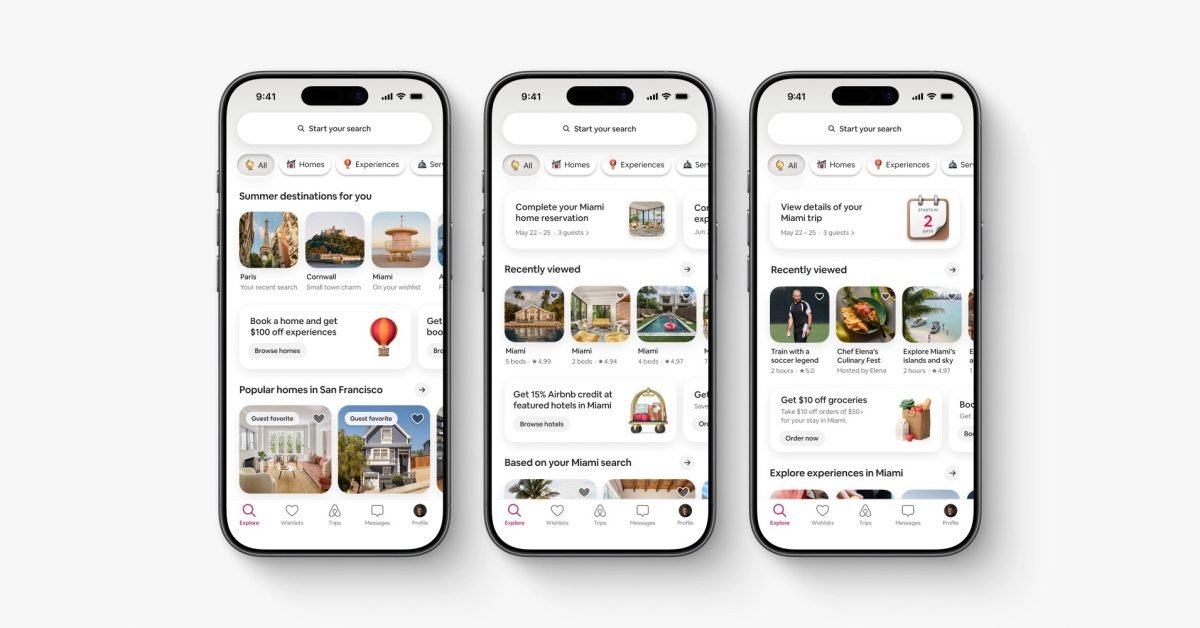
The new homepage now surfaces AI‑generated highlights, shared itineraries and the expanded services menu.
For more details on the SDK changes, see Airbnb’s developer portal at https://developer.airbnb.com/docs/mobile-sdk and the official release notes on GitHub.
Comments
Please log in or register to join the discussion