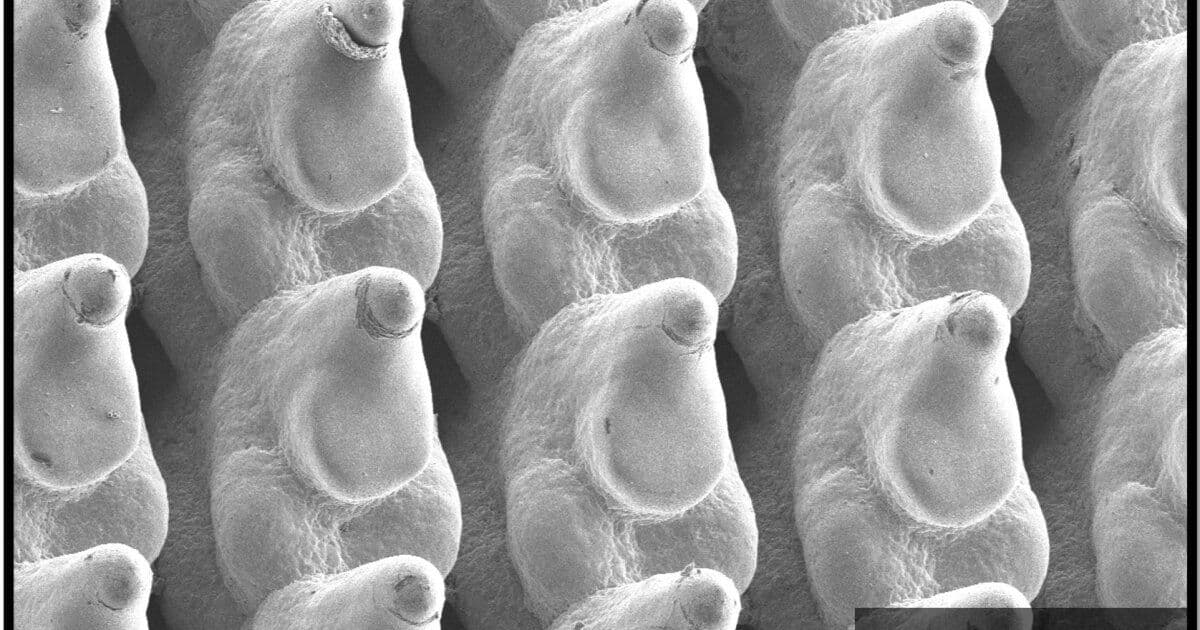
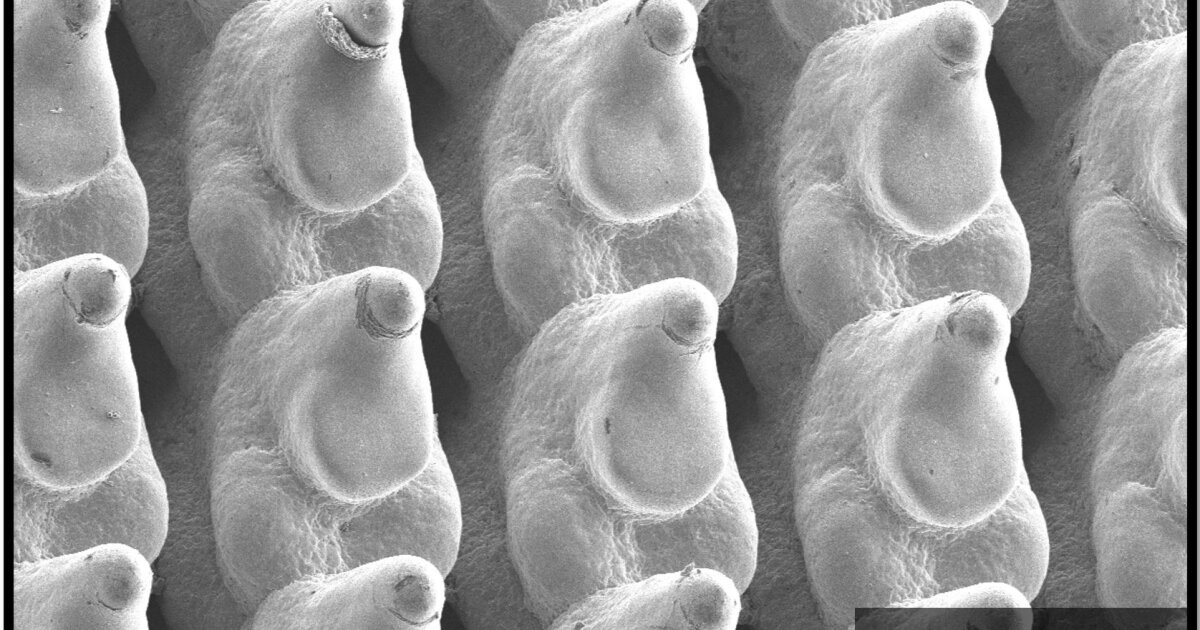
University of Illinois researchers have combined topology‑optimization algorithms with electrochemical additive manufacturing to produce pure‑copper cooling plates that outperform conventional cold plates by up to 32% while slashing pump pressure by 68%. Scaled to a gigawatt‑class data centre, the approach could shrink cooling‑related electricity from roughly 30% of total use to just over 1%, pushing PUE toward 1.01.
Copper plates that could rewrite data‑center energy bills
In 2025 the global data‑center fleet burned about 485 TWh of electricity, and roughly 30 % of that went to cooling the racks. A new study from the University of Illinois Urbana‑Champaign shows a path to cut that number by more than 90 %.
The problem: cooling is the hidden energy hog
Modern AI accelerators such as NVIDIA’s GB200 draw 1,200 W each. Because almost all the electrical power ends up as heat (Joule heating), a single chip must shed the same 1,200 W to stay alive. In a hyperscale facility with hundreds of thousands of GPUs, the cumulative heat load can overwhelm traditional air‑cooling systems, forcing operators to run massive air‑handling units that consume a comparable amount of power to the compute itself.
Current liquid‑to‑chip solutions use cold plates made from aluminum or stainless steel with simple rectangular or cylindrical internal channels. Those designs are easy to manufacture but leave a lot of thermal potential on the table.
The breakthrough: algorithmic geometry + copper ECAM
The research team tackled two levers at once:
- Material – pure copper has a thermal conductivity of ~400 W·m⁻¹·K⁻¹, more than three times that of aluminum. Historically, copper’s high melting point and reflectivity make it difficult to print with fine detail.
- Fin architecture – using a topology‑optimization routine, the algorithm reshaped the internal coolant channels into a jagged, highly branched network that maximizes surface area while keeping flow resistance low.
Because the resulting geometry would be impossible to machine with conventional methods, the team turned to electrochemical additive manufacturing (ECAM). ECAM deposits copper atom‑by‑atom from an electrolyte, achieving feature sizes of 30–50 µm—roughly the width of a human hair.
“ECAM can manufacture pure copper parts with very fine detail – down to 30 to 50 micrometers,” notes senior author Nenad Miljkovic.
Performance numbers
| Metric | Conventional cold plate | Optimized copper plate |
|---|---|---|
| Heat‑transfer improvement | – | +32 % |
| Pressure‑drop reduction | – | ‑68 % |
| Pumping power saved (per plate) | – | ≈ 2 W |
In isolation, each plate moves more heat while demanding far less coolant flow. When the authors extrapolated to a 1 GW data centre, the cooling load dropped from an estimated 550 MW (air‑cooling) to about 11 MW for the copper‑plate liquid loop.
That translates to a Power Usage Effectiveness (PUE) of roughly 1.011, compared with the 1.10–1.30 range typical of today’s hyperscale sites. In other words, for every watt drawn from the grid, only about 1 % is lost to cooling infrastructure.
Why the numbers matter
- Cost – Energy is the largest operating expense for hyperscale operators. A 90 % reduction in cooling power could shave hundreds of millions of dollars from annual OPEX for the biggest players.
- Carbon – Cutting cooling electricity by 539 MW at a typical U.S. carbon intensity (≈0.4 kg CO₂ kWh⁻¹) would avoid ≈ 215 kt CO₂ per year, roughly the emissions of 45,000 passenger cars.
- Scalability – The ECAM process is compatible with existing industrial copper‑electroplating lines, meaning the plates could be produced at scale without a completely new supply chain.
Hurdles before deployment
The study’s energy savings are based on modelled projections rather than a live gigawatt‑scale testbed. Key practical questions remain:
- Reliability – Long‑term corrosion resistance of the fine copper channels under high‑velocity coolant flow must be validated.
- Integration – Retrofitting existing racks would require redesigning coolant manifolds and pump stations.
- Cost of copper – Pure copper is more expensive than aluminum; the total cost‑per‑plate must be offset by energy savings over the equipment’s lifespan.
Outlook
If the copper plates can be mass‑produced and integrated into next‑generation hyperscale designs, they could become the default for AI‑intensive workloads where every watt counts. The approach also hints at broader applications: high‑performance computing clusters, electric‑vehicle power electronics, and even aerospace avionics could benefit from the same topology‑optimized copper cooling.
For now, the research provides a concrete, physics‑based route to shrink one of the data‑center industry’s most stubborn energy drains.
Source: Bazmi et al., Cell Reports Physical Science (2026) – EurekAlert press release
Comments
Please log in or register to join the discussion