
Johny Srouji’s promotion to chief hardware officer triggers a re‑org of Apple’s product design function, tighter integration of silicon and device teams, and the creation of an Ecosystems Platforms group. The changes will affect iOS developers, cross‑platform toolchains, and the timing of new hardware features.
Apple’s New Hardware Officer Reshuffles Product Design – What It Means for Mobile Developers
Platform update
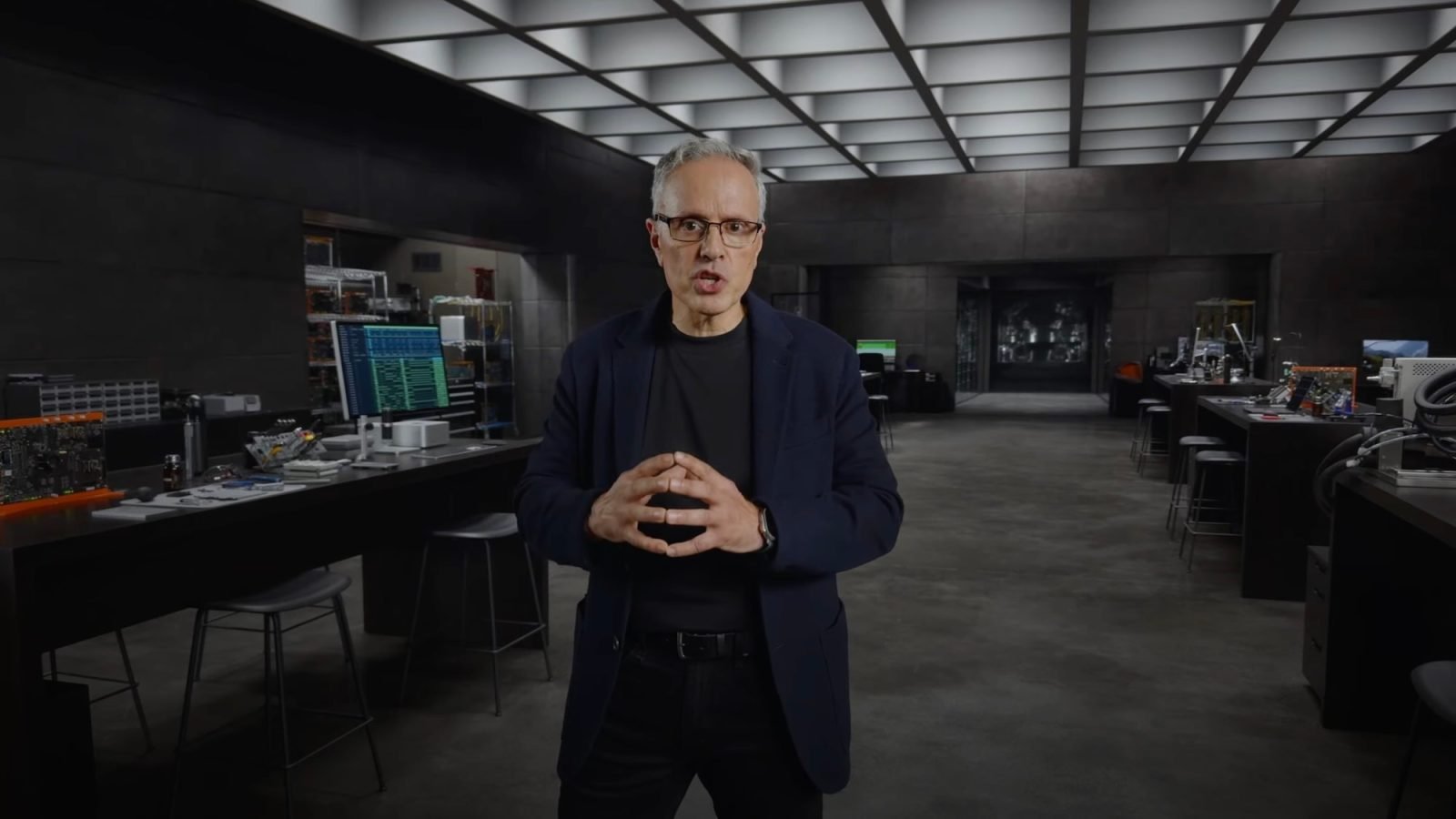
Apple announced two leadership moves that will shape the next generation of its devices. John Ternus will become CEO on September 1, and longtime silicon chief Johny Srouji has been elevated to chief hardware officer. In his expanded role Srouji is reorganising the product‑design organisation, moving responsibility from Kate Bergeron to Shelly Goldberg (Mac) and Dave Pakula (Watch, iPad, AirPods). A dedicated Ecosystems Platforms and Partnerships group, led by Matt Costello and Kevin Lynch, will sit under Srouji as well.
The stated goal is to speed up work on future devices and to better integrate teams working on in‑house silicon with those creating products. By aligning silicon, product design and ecosystem partnerships under a single executive, Apple hopes to shorten the cycle from silicon prototype to consumer‑ready device.
Developer impact
iOS and iPadOS SDK timelines
Historically, Apple’s silicon roadmap (e.g., the A‑series and M‑series chips) has been announced months before the corresponding SDKs land in Xcode. A tighter hardware‑software loop could mean earlier beta releases of the SDKs that expose new CPU instructions, neural‑engine capabilities, or power‑management APIs. iOS developers will likely see:
- Beta OS builds that target next‑gen silicon a few weeks after the silicon is taped out, rather than after the device’s public unveiling.
- Expanded Swift‑level abstractions for custom silicon blocks, similar to the recent
MetalPerformanceShadersGraphextensions for the M2 Ultra. - More frequent updates to the
DeviceCheckandApp Store ConnectAPIs that reflect tighter integration with hardware‑level security features.
Cross‑platform toolchains
Frameworks such as Flutter, React Native, and Xamarin depend on a stable set of ABI contracts. If Apple releases silicon‑specific extensions earlier, these teams will need to adjust their runtimes faster. Expect:
- Updated Flutter engine releases that include pre‑emptive support for the next Apple GPU architecture, reducing the lag between iOS and macOS feature parity.
- React Native may ship a new native module template that abstracts the upcoming
NeuralEngineAPIs, allowing a single JavaScript codebase to leverage on‑device ML across iOS and macOS. - Kotlin Multiplatform Mobile (KMM) will likely add a new
apple.silicontarget that mirrors the upcomingAppleSiliconGradle plugin, simplifying the process of compiling Kotlin code for both iOS and macOS.
Third‑party accessories and robotics
The new Ecosystems Platforms team, with Kevin Lynch’s robotics background, signals a push toward tighter integration of Apple‑first accessories (e.g., HomePod, AirTag, and future AR/VR hardware). Developers building HomeKit or the new RealityKit‑based experiences should watch for:
- Early‑access HomeKit Secure Video SDK extensions that expose hardware‑level encryption keys.
- RealityKit updates that include low‑latency motion‑sensor streams from upcoming Apple‑designed Lidar modules.
Migration path for developers
- Monitor Apple’s WWDC schedule – With Srouji’s re‑org, Apple may shift the traditional June announcement window for silicon. Keep an eye on the WWDC preview sessions for any “Silicon Preview” talks.
- Enroll in the Apple Developer Program’s Early Access – Apple is expanding its Early Access Program (EAP) for developers who need to test on pre‑release silicon. Signing up now ensures you receive beta SDKs as soon as they are built.
- Update your CI pipelines – Add a step that pulls the latest Xcode beta from the Apple Developer portal and runs unit tests against the new SDK. This will catch compatibility issues before they hit production.
- Review cross‑platform dependencies – Check the release notes of Flutter, React Native, and KMM for upcoming updates that target the next Apple silicon generation. Pin your dependencies to the latest prerelease versions in your
pubspec.yaml,package.json, or Gradle files. - Plan for hardware‑specific feature flags – If you intend to use new neural‑engine or GPU capabilities, implement runtime checks using
ProcessInfo.processInfo.isiOSAppOnMacandMTLDevice.supportsFamily(_:)to gracefully fall back on older devices.
Bottom line
Johny Srouji’s promotion is more than a corporate shuffle; it is a structural move that will likely compress Apple’s hardware‑software cadence. For mobile developers, the practical outcome will be earlier access to new silicon features, a need to stay current with cross‑platform runtimes, and new opportunities to integrate with Apple’s expanding ecosystem of accessories and robotics. By aligning development pipelines with Apple’s refreshed hardware strategy now, teams can avoid last‑minute scramble when the next iPhone, Mac, or AR headset lands on shelves.
Comments
Please log in or register to join the discussion