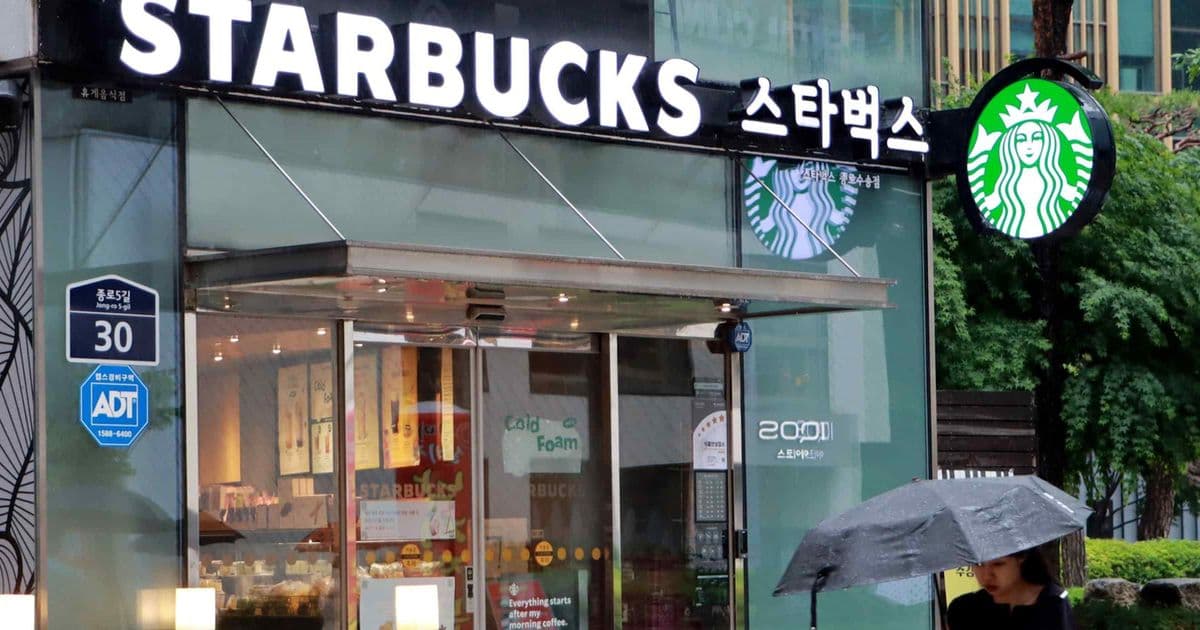
Starbucks Korea’s limited‑edition ‘Tank Day’ mugs, released on May 18, sparked outrage for evoking the 1980 Gwangju massacre. Consumer groups and political figures called for a boycott, pressuring the coffee giant to withdraw the product and issue an apology. The incident highlights the risks of culturally blind marketing in South Korea’s highly sensitive political climate and could affect Starbucks’ revenue in its second‑largest Asian market.
Business news
Starbucks Korea announced a limited‑edition mug series on May 18, branding the collection as “Tank Day” to commemorate the anniversary of the chain’s first store opening in Seoul. Within 24 hours, the promotion ignited a wave of criticism on social media, with users linking the term tank to the military‑driven suppression of the 1980 Gwangju democratic uprising. Major consumer advocacy groups filed complaints, and several Korean lawmakers, including former President Lee Myung‑bae’s hometown representatives, called for a nationwide boycott of the brand.
Starbucks responded on May 20 by pulling the mugs from all stores, issuing a public apology, and promising a review of its marketing approval process in South Korea. The company also pledged to donate a portion of the proceeds from the withdrawn line to a Gwangju‑based human‑rights foundation.
Market context
South Korea is Starbucks’ second‑largest market in Asia after China, generating roughly $1.2 billion in annual revenue for the corporation, according to its 2025 financial statements. The chain operates 210 stores in the country, with a market share of about 15 % in the premium coffee segment.
The Gwangju massacre remains a potent symbol of state violence; every May 18, the city holds commemorations that attract hundreds of thousands of participants. Any perceived trivialization of that event can trigger swift public backlash, as seen in previous incidents involving multinational brands.
From a financial perspective, a sustained boycott could erode foot traffic in high‑density districts such as Gangnam and Myeong‑dong, where Starbucks accounts for an estimated $45 million in monthly sales. Analysts at Mirae Asset Securities have downgraded Starbucks Korea’s 2026 outlook from “Buy” to “Neutral,” citing a potential 2‑3 % dip in same‑store sales if the controversy persists.
What it means
The episode underscores three strategic implications for multinational consumer brands operating in South Korea:
- Cultural vetting is non‑negotiable – Marketing teams must incorporate local historical expertise into product naming and promotional calendars. A simple internal checklist that flags dates tied to national trauma could have prevented the misstep.
- Reputational risk translates to revenue risk – In a market where brand perception heavily influences consumer choice, a boycott can quickly move from social media chatter to measurable sales decline. Companies should model potential revenue loss scenarios when assessing campaign approvals.
- Rapid remediation can limit damage – Starbucks’ decision to withdraw the mugs and donate to a relevant cause helped contain the fallout. Prompt, transparent action is increasingly expected by Korean consumers, who value corporate accountability.
For investors, the incident serves as a reminder that non‑financial factors—historical sensitivities, political climate, and consumer activism—can materially affect earnings. Monitoring brand‑related controversies will be essential when forecasting performance for consumer‑focused multinational firms in the region.
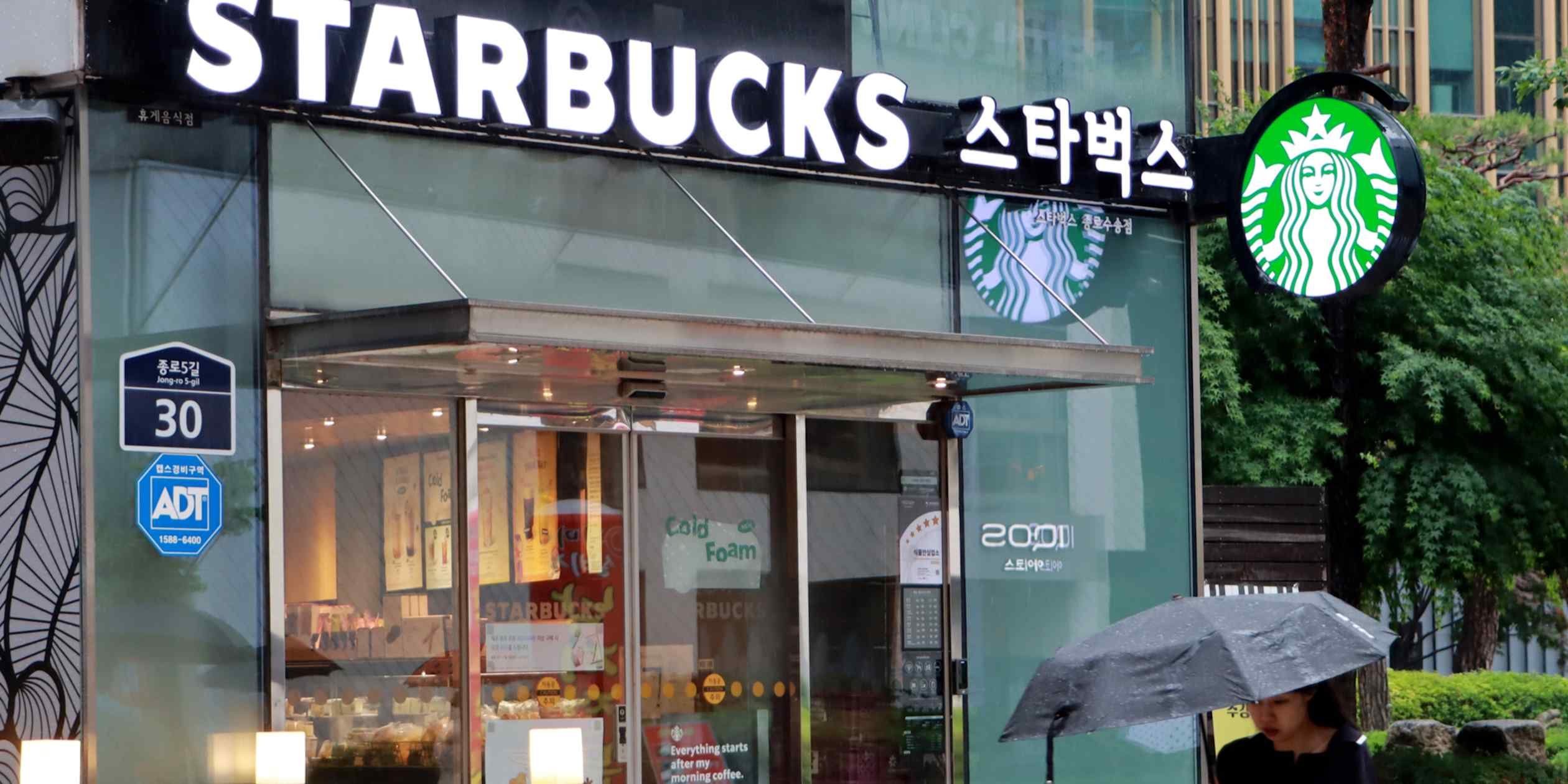
The image shows a Starbucks storefront in Seoul, where the controversy unfolded.
Comments
Please log in or register to join the discussion