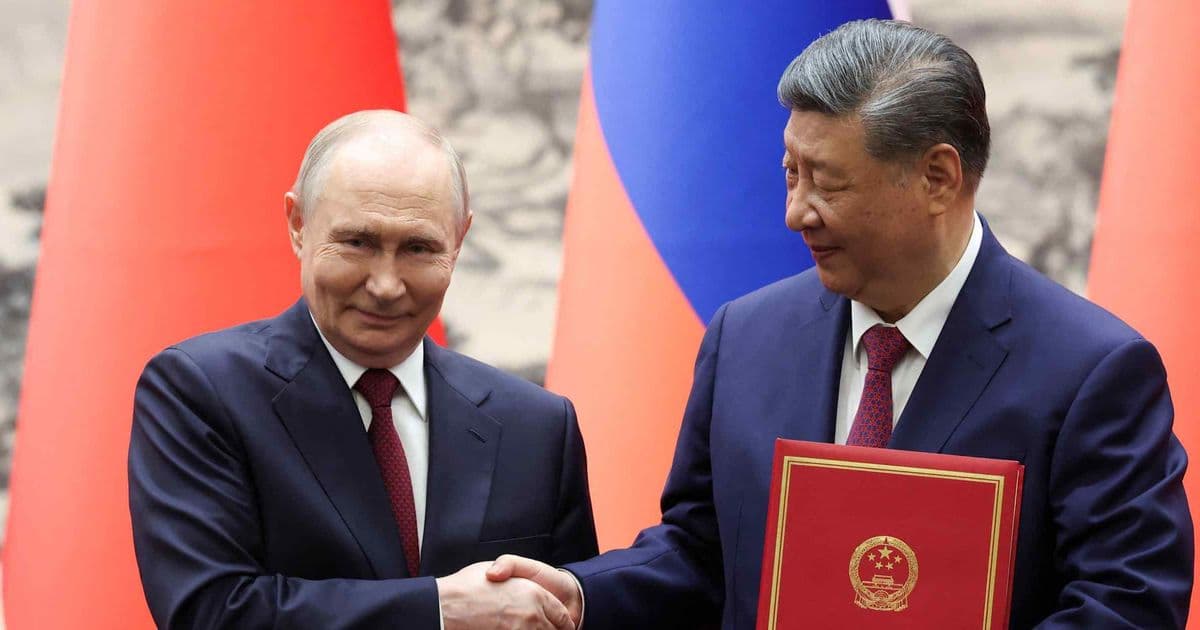
Chinese President Xi Jinping and Russian President Vladimir Putin signed 20 agreements in Beijing, pledging deeper energy ties and joint development of high‑tech sectors. The move could reshape global supply chains for rare earths, hydrogen, and AI‑driven infrastructure, offering both opportunities and risks for Western firms.
Business news
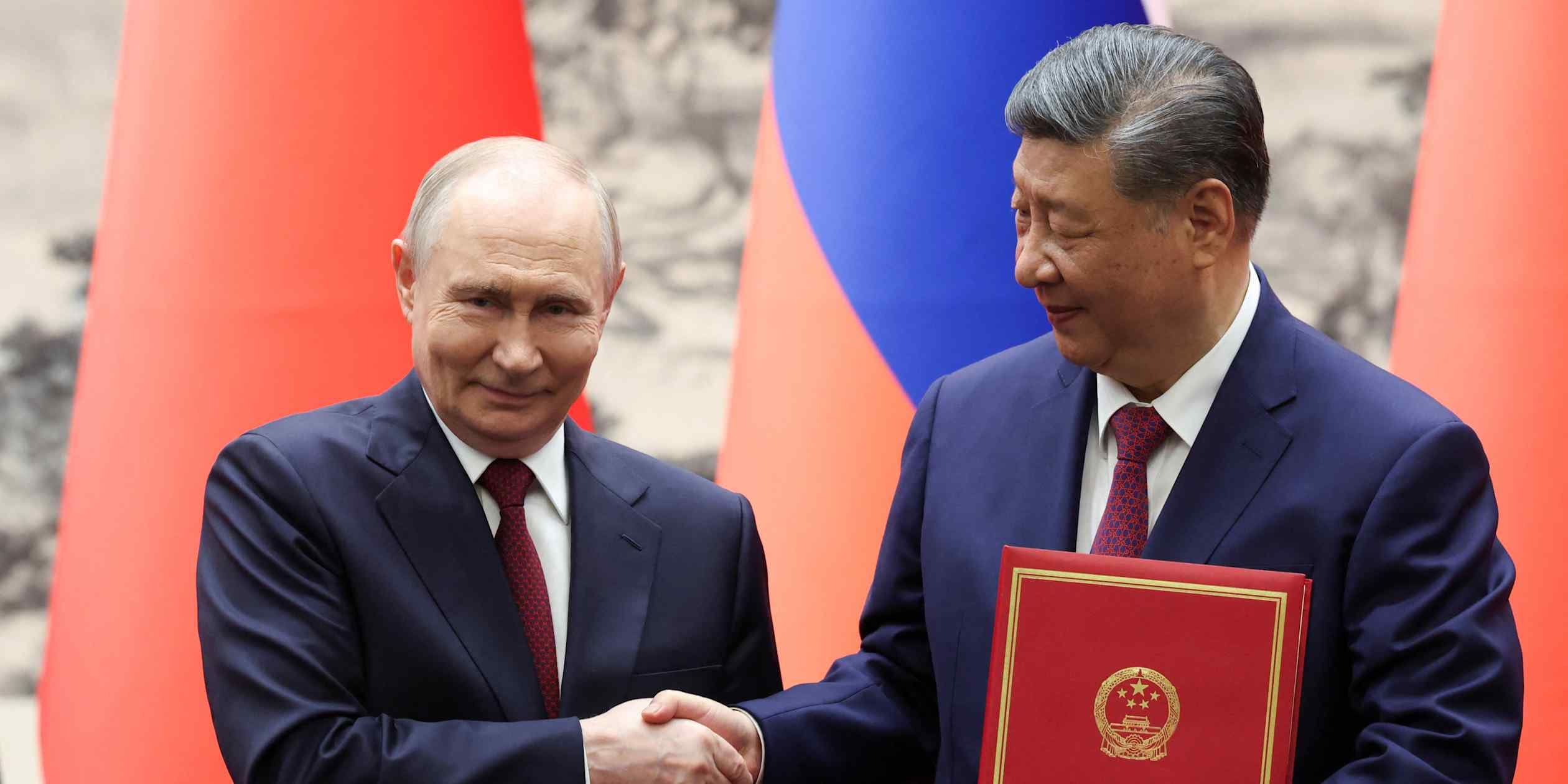
Chinese President Xi Jinping and Russian President Vladimir Putin concluded a two‑day summit in Beijing with a joint declaration calling for a multipolar world and a new type of international relations. The leaders signed 20 bilateral pacts, covering energy, rare‑earth minerals, aerospace, and artificial‑intelligence research. The agreements were announced just days after U.S. President Donald Trump’s visit to China, underscoring a rapid realignment of diplomatic priorities in Eurasia.
Market context
| Sector | Key commitment | Potential market impact |
|---|---|---|
| Hydrogen & clean energy | Joint pilot projects on green hydrogen production in Siberia and the Xinjiang region | Could add $12‑$15 bn of annual investment to the global hydrogen market by 2030, challenging Europe’s emerging supply chain. |
| Rare‑earths & critical minerals | Long‑term supply contracts for dysprosium, neodymium, and yttrium | May reduce China’s share of global rare‑earth output from 68 % to 55 % by 2028, creating pricing volatility for U.S. and EU manufacturers. |
| Aerospace & hypersonic tech | Co‑development of hypersonic glide vehicles and satellite constellations | Introduces a competitive bloc that could capture up to 30 % of the projected $250 bn hypersonic market by 2035. |
| AI for rail and logistics | Joint research centre in Moscow focusing on AI‑driven traffic management for high‑speed rail | Expected to accelerate adoption of AI‑based control systems, potentially adding $3 bn in annual software spend across Eurasia. |
The pacts arrive at a time when Western investors are reassessing exposure to China‑Russia supply chains. Bloomberg estimates that $45 bn of U.S. semiconductor equipment orders could be redirected toward Russian‑Chinese joint facilities if the partnership deepens.
What it means for tech businesses
- Supply‑chain diversification pressure – Companies that rely on Chinese rare‑earths will need to evaluate Russian sources. Firms such as Lynas and MP Materials may see renewed interest from OEMs seeking to hedge geopolitical risk.
- Investment opportunities in green hydrogen – European energy funds have already earmarked €8 bn for hydrogen projects in Eastern Europe. The Sino‑Russian pilots could attract a share of that capital, especially if the partners secure favorable financing from state banks like Sberbank and China Development Bank.
- AI and rail logistics market expansion – The joint AI research centre could become a procurement hub for vendors like Siemens Mobility, Alstom, and Chinese AI specialist Anthropic (which recently partnered with Hitachi on rail AI). Companies that can integrate multilingual AI models stand to win contracts for cross‑border rail corridors.
- Regulatory and sanction risk – U.S. Treasury’s Office of Foreign Assets Control (OFAC) has signaled a possible expansion of secondary sanctions on entities that facilitate technology transfer to Russia. Firms must conduct heightened due‑diligence before entering joint ventures, especially in semiconductor equipment and aerospace components.
- Strategic positioning for Western firms – Multinationals may need to choose between deepening ties with the emerging Eurasian bloc or reinforcing alliances with the EU‑U.S. “green‑tech” coalition. The decision will hinge on projected ROI, exposure to sanction risk, and the speed at which the new supply chains become operational.
Bottom line
The Xi‑Putin summit marks a deliberate push to build a parallel tech‑energy ecosystem that could divert billions of dollars from Western markets. Companies that can navigate the geopolitical complexities while offering competitive pricing on critical minerals, hydrogen infrastructure, or AI‑driven logistics stand to capture a meaningful slice of the emerging Eurasian market. At the same time, heightened sanction risk means that robust compliance frameworks will be a prerequisite for any firm looking to participate.
Comments
Please log in or register to join the discussion