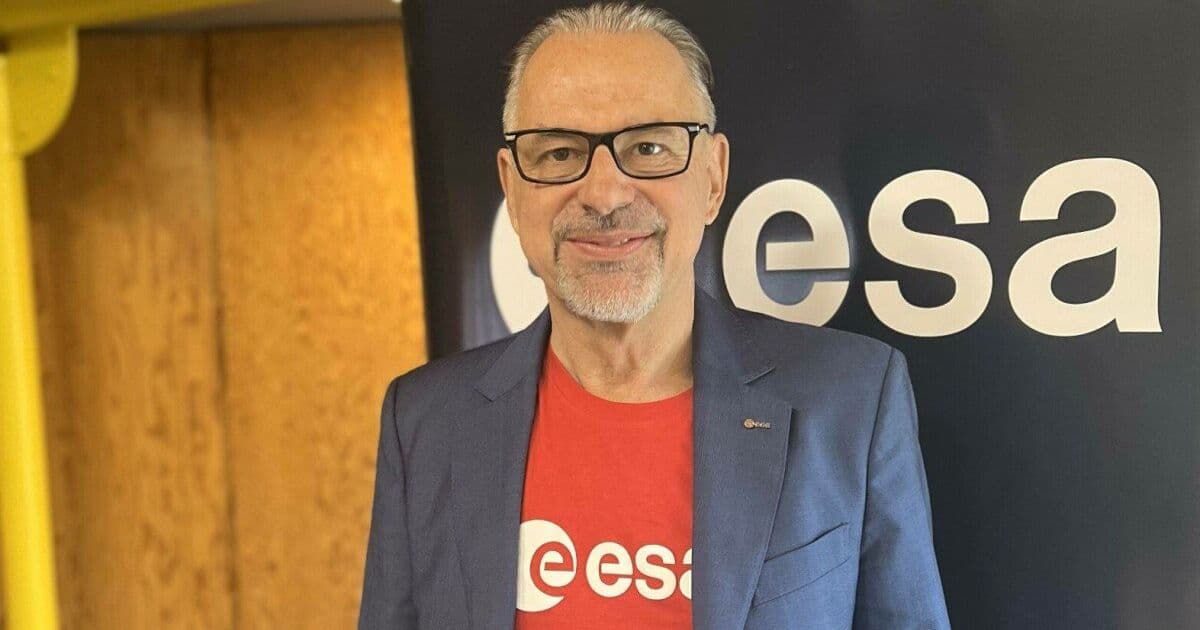
ESA Director General Josef Aschbacher warns that Europe is too exposed to external decisions after NASA paused the Lunar Gateway and scrapped the Mars Sample Return partnership. He urges ESA member states to invest in independent human‑spaceflight capability before strategic opportunities slip away.
ESA Director General Calls for Autonomous Human‑Spaceflight Amid NASA Policy Shifts
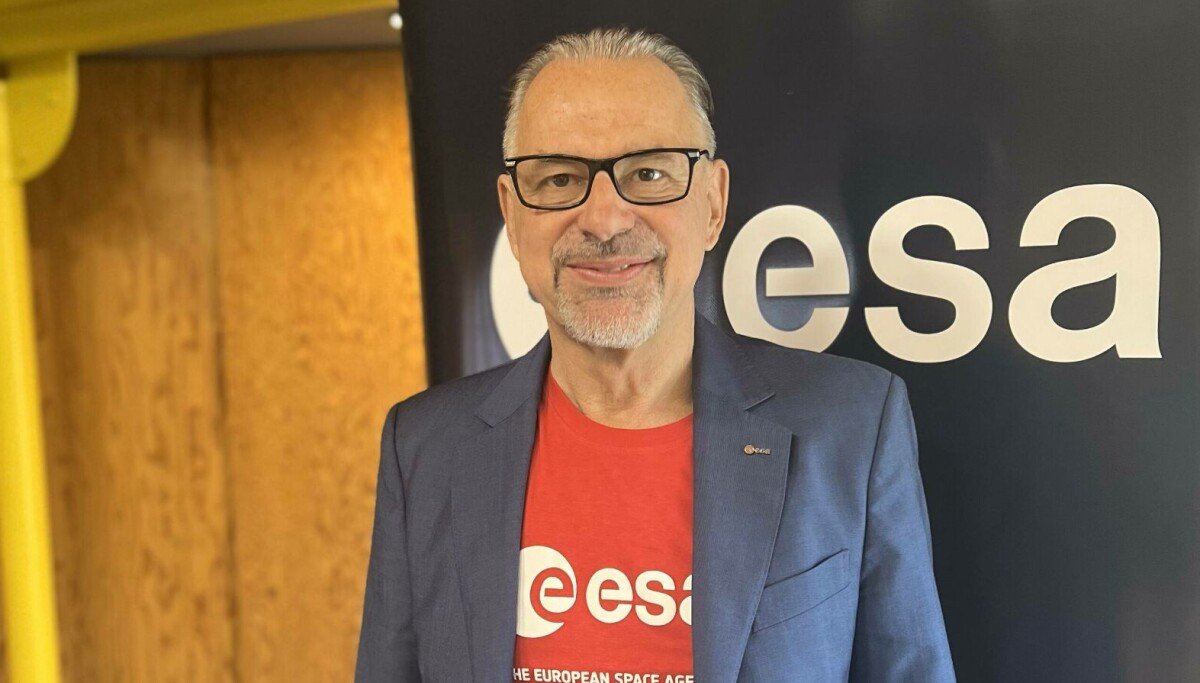
European Space Agency (ESA) Director General Josef Aschbacher used his May 18 opinion piece, “Are we pilots or are we passengers?”, to flag a growing strategic risk for Europe. In the post he argues that ESA’s reliance on U.S. programmes such as the Lunar Gateway and the Mars Sample Return (MSR) mission leaves Europe vulnerable to sudden policy reversals in Washington.
What the regulatory action is
- NASA’s recent programme changes – Administrator Jared Isaacman announced a pause, and likely cancellation, of the Lunar Gateway in favour of a lunar‑surface base. At the same time the agency has withdrawn support for the joint MSR effort that ESA was co‑funding.
- ESA’s internal review – Aschbacher’s May 18 article is not a formal regulation, but it functions as an internal policy directive. He calls on ESA’s governing bodies – the Council (June meeting), the Intermediate Ministerial Council (December), and the full Ministerial Council (2028) – to adopt a clear, funded roadmap for autonomous human‑spaceflight.
What it requires from ESA and its member states
- A dedicated budget line for crewed capability – The Director General proposes a minimum €1.5 billion over the next ten years to develop a European crew module, launch service, and in‑orbit habitation elements. This figure is based on cost estimates from the former Ariane 6‑based crew‑service study.
- Formal separation from U.S.‑centric programmes – ESA must complete the ExoMars rover redesign without Russian participation and shift any remaining human‑flight contracts (e.g., Gateway contributions) to a “co‑development” model that preserves European decision‑making authority.
- Strategic partnership diversification – The recent launch of the SMILE spacecraft on a Vega‑C from Kourou, a joint ESA‑Chinese Academy of Sciences mission, demonstrates a template for future collaborations that do not hinge on U.S. policy.
- Legislative backing – Member‑state space agencies need to pass national legislation that earmarks funds for the autonomous human‑flight programme and aligns procurement rules with ESA’s new timeline.
Compliance timeline
| Milestone | Deadline | Action Required |
|---|---|---|
| Council endorsement of autonomous‑flight budget | June 2026 (ESA Council meeting) | Submit detailed cost‑benefit analysis and draft amendment to the ESA Convention. |
| Adoption of the European Crew Architecture (ECA) concept study | December 2026 (Intermediate Ministerial Council) | Approve technical baseline, select industrial partners, and initiate a competitive procurement for a crew capsule. |
| Full Ministerial Council approval of the 2027‑2036 roadmap | 2028 (Ministerial Council) | Ratify the long‑term funding framework and integrate it into national space strategies. |
| First crewed launch from Europe (demonstration mission) | 2032 (target) | Complete development, conduct uncrewed test flights, and achieve crew‑rating certification under ESA safety standards. |
Why the shift matters
- Strategic autonomy – Without a sovereign crew capability, Europe cannot guarantee access to lunar or Martian surfaces when U.S. priorities change.
- Economic return – An independent launch and crew system would open a market for European payloads, services, and downstream industries such as in‑space manufacturing.
- Geopolitical leverage – Autonomous human‑spaceflight strengthens Europe’s negotiating position in multinational projects, reducing the risk of being “the passenger” in decisions driven by external partners.
Next steps for ESA members
- Align national space budgets with the €1.5 billion target, ensuring that contributions are not subject to annual re‑approval cycles that could be vetoed by changing political winds.
- Pass legislation that allows ESA to enter long‑term contracts with industrial partners without the need for repeated member‑state approvals.
- Promote public‑private partnerships – Encourage European launch providers (Arianespace, SpaceX’s European subsidiary, and emerging players) to co‑invest in the crew capsule and service elements.
- Maintain diversified collaborations – Continue joint missions like SMILE while expanding ties with agencies such as JAXA and the Indian Space Research Organisation (ISRO) to share risk and technology.
“History will not wait for Europe to feel comfortable and ready; it will move forward with or without us.” – Josef Aschbacher, 18 May 2026
The ESA Council’s June meeting will be the first formal test of whether Europe can transition from a dependent passenger to an autonomous pilot in the next decade.
Comments
Please log in or register to join the discussion