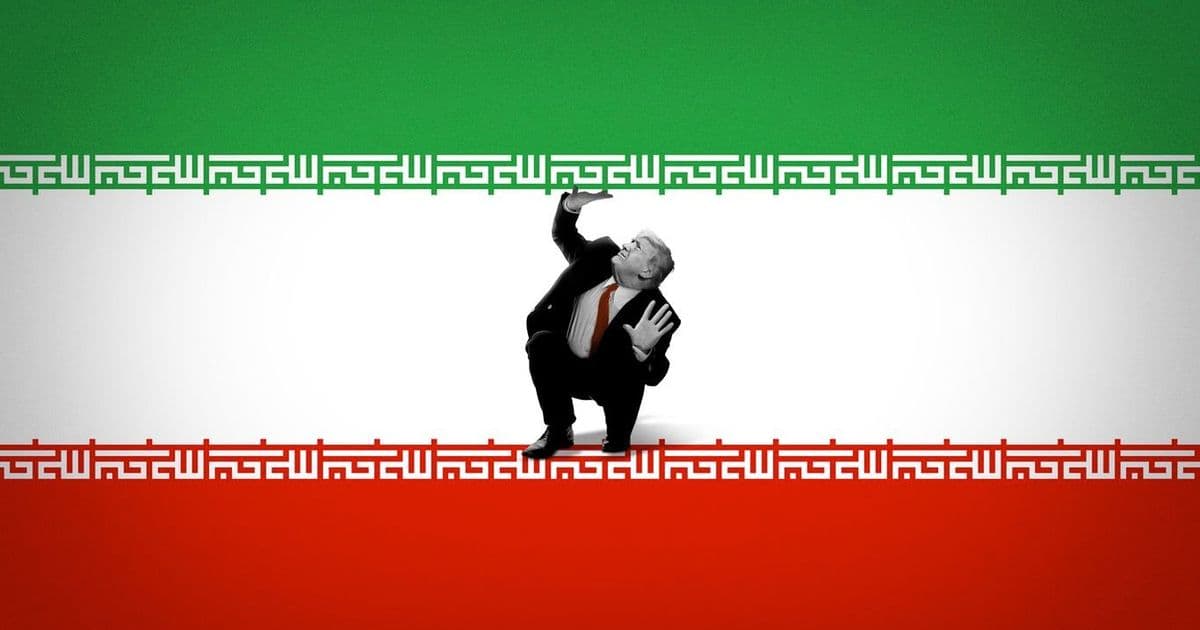
President Trump faces a dangerous escalation trap as Iran's nuclear program advances and regional tensions mount, forcing him to choose between military action or appearing weak on a core campaign promise.
President Trump finds himself in an escalating confrontation with Iran that threatens to consume his second term, as Tehran accelerates its nuclear program and regional proxy attacks intensify. The administration's maximum pressure campaign has failed to bring Iran to the negotiating table, instead pushing the regime toward greater defiance and nuclear brinkmanship.
The Numbers Tell the Story
Iran now possesses enough enriched uranium for several nuclear weapons, according to intelligence assessments shared with Congress. The regime has installed advanced centrifuges capable of enriching uranium to weapons-grade levels in a fraction of the time required under the 2015 nuclear deal. Satellite imagery shows construction at multiple nuclear sites, including underground facilities that would be difficult to destroy without significant military escalation.
The Strategic Dilemma
Trump campaigned on preventing Iran from obtaining nuclear weapons, calling it his top foreign policy priority. Yet his administration's approach has produced the opposite result. Maximum sanctions have devastated Iran's economy but strengthened hardline elements within the regime. The killing of General Qasem Soleimani removed a key adversary but eliminated a potential negotiating partner and unified Iranian public opinion behind the government.
Now Trump faces a stark choice: launch military strikes that could trigger a regional war, or accept a nuclear-armed Iran and appear to have failed on his signature foreign policy goal. Neither option aligns with his political interests or campaign promises.
The Regional Context
Iran's proxy network has become more aggressive in recent months. Houthi rebels in Yemen have launched missiles at Saudi oil facilities. Shiite militias in Iraq have increased rocket attacks on American bases. Hezbollah in Lebanon has conducted military exercises simulating attacks on Israel. Each incident creates pressure for a response, making escalation more likely with each passing week.
The Domestic Politics
Trump's base expects him to confront Iran forcefully, but his broader political coalition includes voters wary of another Middle East war. The administration has sent mixed signals, with some officials advocating diplomacy while others push for military options. This internal division mirrors the broader national debate about how to handle Iran's nuclear ambitions.
The Path Forward
The administration appears to be pursuing a two-track strategy: maintaining economic pressure while leaving diplomatic channels open. However, Iran has shown little interest in negotiations that don't include sanctions relief. The window for a diplomatic solution appears to be closing as Iran's nuclear program advances.
Trump's escalation trap reflects a broader pattern in his foreign policy: maximum pressure tactics that produce maximum resistance. Whether he can find a way out of this particular trap may determine the success of his second-term foreign policy agenda.
The coming months will test Trump's ability to navigate between his campaign promises, his political base, and the complex realities of Middle East geopolitics. The stakes extend beyond Iran to questions about American credibility, regional stability, and the future of nuclear nonproliferation.
Comments
Please log in or register to join the discussion