The closure of Australian bespoke mechanical keyboard maker MtnKBD has prompted reflection on the viability of small-scale niche ventures, as creators balance high-quality craft with the cost realities of serving dedicated but small global audiences, from hardware to software to handmade instruments.
The Australian bespoke mechanical keyboard brand MtnKBD announced this month that it is closing operations and selling off remaining inventory, a decision that highlights the persistent financial and logistical constraints facing small-scale hardware creators targeting fragmented, global niche audiences.
MtnKBD operates in a mechanical keyboard market with hundreds of small makers, where consumer preferences have fractured to the point that many creators order one-off printed circuit boards and 3D print custom designs for runs as small as dozens of units. Most niche keyboard makers target audiences of hundreds at most per design, with only a handful of larger retailers relying on marketing rather than product quality to drive sales. MtnKBD differentiated itself with the Let’s Tango keyboard, a milled aluminum design with a brass baseplate, beveled edges, and swappable PCBs to extend the product’s lifespan. The keyboard shipped with a padded travel case, and users praised its build quality as comparable to premium consumer electronics from companies like Apple.
Shipping costs from Australia to a global audience of enthusiasts proved unsustainable for the small operation. No external funding was disclosed, and the company was bootstrapped, relying on direct sales to a niche customer base. The closure follows a broader trend of small hardware makers struggling to balance craft quality with the high costs of physical inventory, international shipping, and low production volumes that prevent economies of scale.
Dave Snider, a software developer who documented his experience as a long-time MtnKBD user, noted that the Let’s Tango keyboard was a standout in a crowded market. Snider, who runs the site Dave Snider, wrote in a recent blog post that the keyboard’s craftsmanship cured him of testing new keyboards, calling it a "masterpiece of design." His reflection prompted a broader look at his own work building niche software tools, which avoid many of the physical cost constraints that led MtnKBD to close.
Over the past year, Snider built two software products targeting ultra-specific tabletop gaming audiences. Table Slayer is designed for groups that install televisions into custom tables for Dungeons & Dragons sessions, while Counter Slayer helps users 3D print custom board game inserts for niche wargames with small player bases. Both are open source, with Table Slayer offering a paid hosted version. Snider spends at least 12 hours per week adding features to the tools, drawing on skills honed building enterprise and consumer software for larger audiences.
The audience for both tools is limited by high barriers to entry. Table Slayer requires users to build custom furniture with integrated displays, while Counter Slayer is only useful for owners of niche wargames that themselves have small player communities. Snider charges for the hosted version of Table Slayer not to generate significant profit, but to ensure he prioritizes feature requests from paying customers. This has built a small, dedicated community of users who share a focus on highly customized tabletop gaming experiences.
Unlike hardware ventures like MtnKBD, Snider’s software tools have near-zero marginal costs. Code is free to replicate, hosting scales without significant overhead, and open source licensing ensures the projects will remain available even if he stops active development. He notes that as long as he retains his coding skills, the tools will not need to shut down, avoiding the inventory and shipping pressures that plague small hardware makers.
Snider draws a parallel to the experience of his wife, Nicole, a bluegrass musician who plays weekly gigs with her band The Black Eyed Suzies. Nicole recently purchased a second-hand mandolin from luthier Lou Stiver, a Pennsylvania-based maker who built one handmade mandolin per month with no apprentices before retiring. The quality of the Stiver mandolin was immediately noticeable even to listeners unfamiliar with bluegrass, illustrating the value of small-scale craft for dedicated communities.
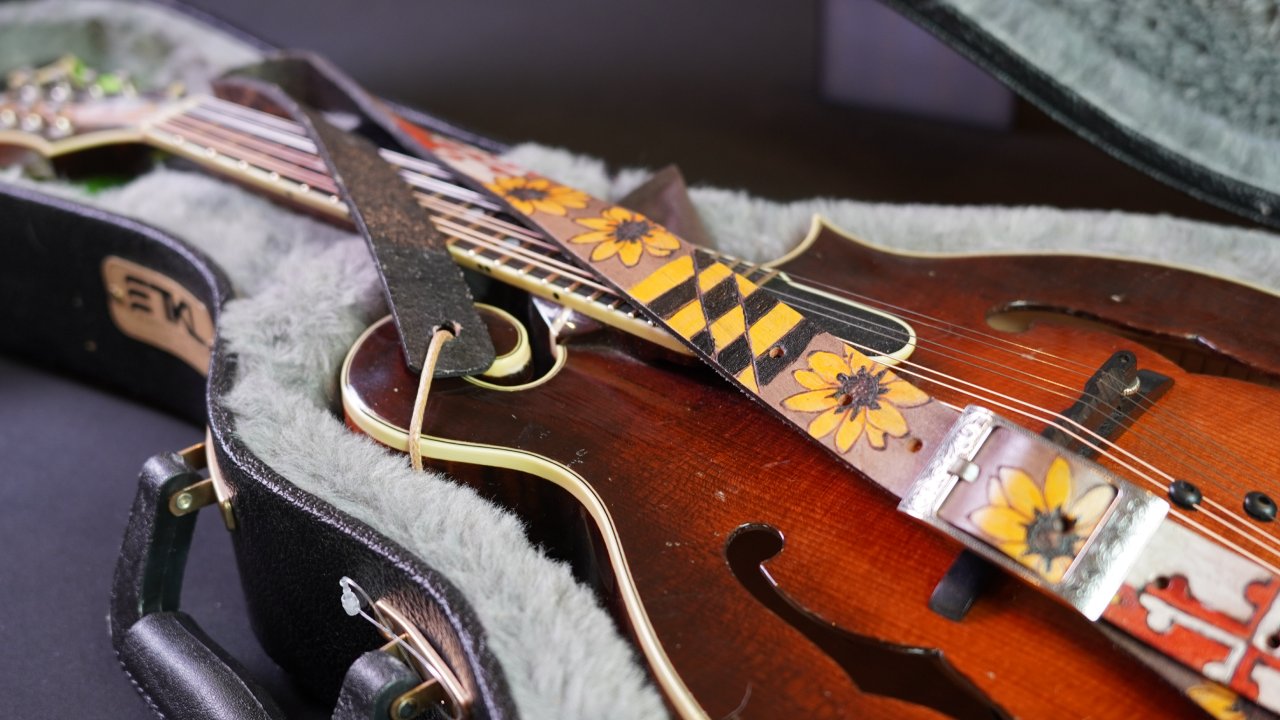
Bluegrass, like mechanical keyboard enthusiasm and niche tabletop gaming, has a small but deeply dedicated audience. Fans travel to small festivals, share close community bonds, and prioritize craft over mass production. Lou Stiver’s operation, like MtnKBD and Snider’s software, targeted a niche within a niche, building products for a few dozen dedicated customers rather than chasing broad market appeal.
For startup ecosystem observers, these cases highlight a counterpoint to the common push for rapid scaling and venture funding. Many niche creators operate with no external investment, serving audiences of dozens or hundreds, and find sustainability through low overhead (in software) or premium pricing (in hardware and craft). The closure of MtnKBD is not a failure of the product, but a reflection of the cost realities of physical goods for small global audiences. For creators like Snider, the shift to software offers a path to sustain passion projects without the logistical burdens of hardware, even if the audience remains small.
Comments
Please log in or register to join the discussion