
Google Pixel's suite of communication tools, including AI-powered call screening and automated note-taking, offers a glimpse into the future of mobile productivity. These features tackle everyday frustrations like spam calls and information retention, setting new standards for smartphone utility. Source: ZDNET.
The Evolution of Mobile Communication: Google Pixel's Game-Changing Features
For years, Google Pixel devices have quietly revolutionized smartphone interactions through software innovations that leverage artificial intelligence to solve real-world problems. What began as a simple call-screening tool with the Pixel 3 in 2018 has evolved into a comprehensive ecosystem of features designed to streamline communication, enhance security, and boost productivity—fundamentally changing how users engage with their devices daily.

Call Assist: The Spam-Slaying Foundation
At the core of Pixel's communication suite is Call Assist, the evolution of the original call-screening feature. This tool intercepts incoming calls, using Google's AI to transcribe responses in real-time and filter out spam or robocalls. Users can choose between manual screening—where they see live transcriptions to decide whether to answer—or automatic screening, which ends detected spam calls immediately. For developers, this represents a masterclass in integrating on-device AI with cloud-based threat intelligence, significantly reducing social engineering risks.
Hold for Me: Reclaiming Time from Customer Service Purgatory
A standout productivity booster, 'Hold for Me' addresses the universal frustration of endless customer service holds. When activated, the feature waits on hold autonomously, alerting users only when a live agent responds. While now available to all Google Search users, its Pixel-first implementation showcases how anticipatory AI can reclaim valuable time—a subtle nod to Google's broader ambition of embedding ambient computing into daily life.
Call Notes: AI as Your Personal Scribe
Exclusive to newer Pixel models like the Pixel 9 series, Call Notes exemplifies generative AI's practical application. 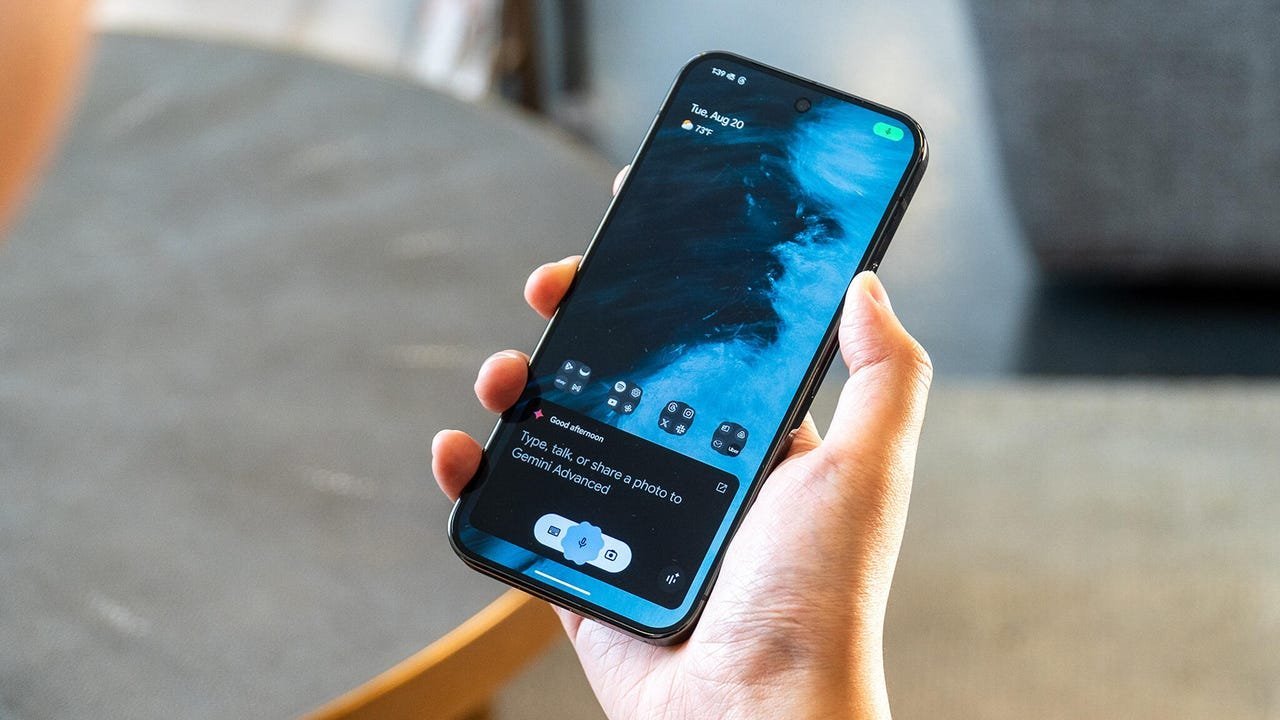 The feature listens to calls, identifies key information (appointment times, addresses, action items), and generates concise summaries—eliminating the scramble to jot down details mid-conversation. Crucially, it requires per-call activation, balancing utility with privacy considerations. For engineers, this highlights advancements in real-time speech-to-text accuracy and context-aware information extraction.
Live Captions: Democratizing Accessibility
Originally designed for accessibility, Live Captions transforms any call into text-based communication. It provides real-time transcripts and a response keyboard, proving invaluable in noisy environments or for users with hearing impairments. This feature underscores how inclusive design principles often yield innovations that benefit all users—a lesson for developers building future-facing applications.
Why This Matters Beyond the Pixel Ecosystem
These features aren't mere conveniences; they signal a shift toward proactive, AI-driven device management. By reducing cognitive load—whether through filtering spam, automating waits, or capturing critical data—Google is setting benchmarks for smartphone utility that competitors like Apple now emulate (e.g., iOS's similar call screening). For the industry, the Pixel's trajectory suggests a future where smartphones act as true digital assistants, anticipating needs rather than merely responding to commands. As these tools evolve, they'll likely influence broader trends in conversational AI and on-device machine learning, making today's Pixel innovations tomorrow's industry standards.
Comments
Please log in or register to join the discussion