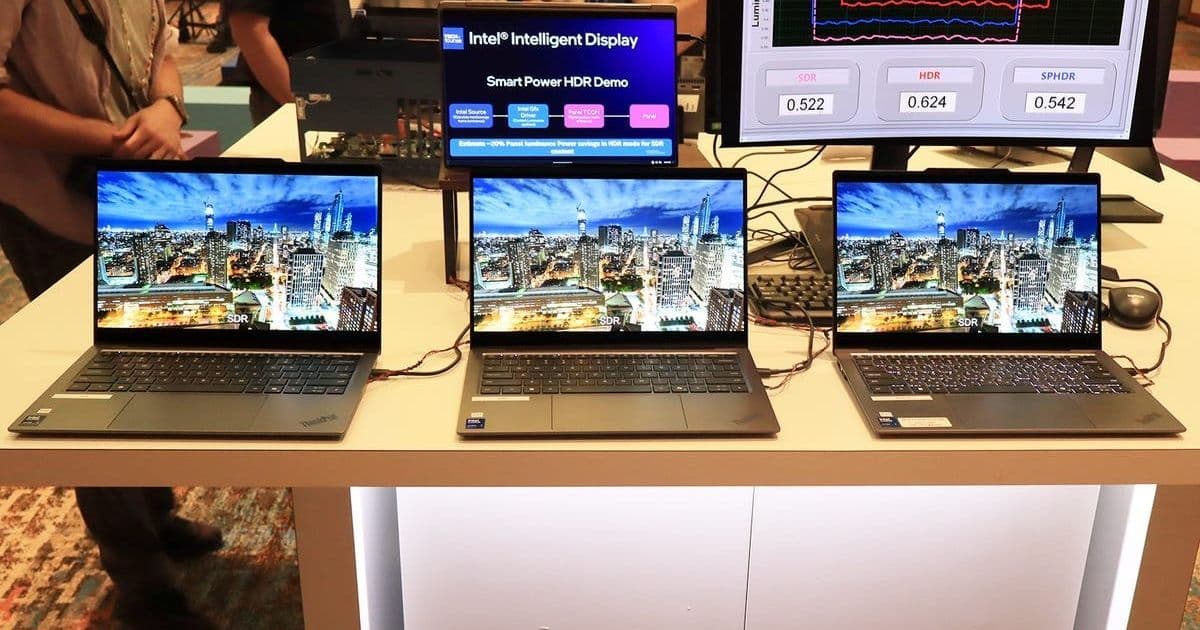
Intel's upcoming Panther Lake processors deliver more than raw performance gains—their unheralded Wi-Fi 7 advancements and AI-driven frame generation could redefine laptop connectivity and gaming experiences. Early benchmarks reveal transformative efficiency and speed improvements that prioritize real-world usability over spec sheet bragging rights.
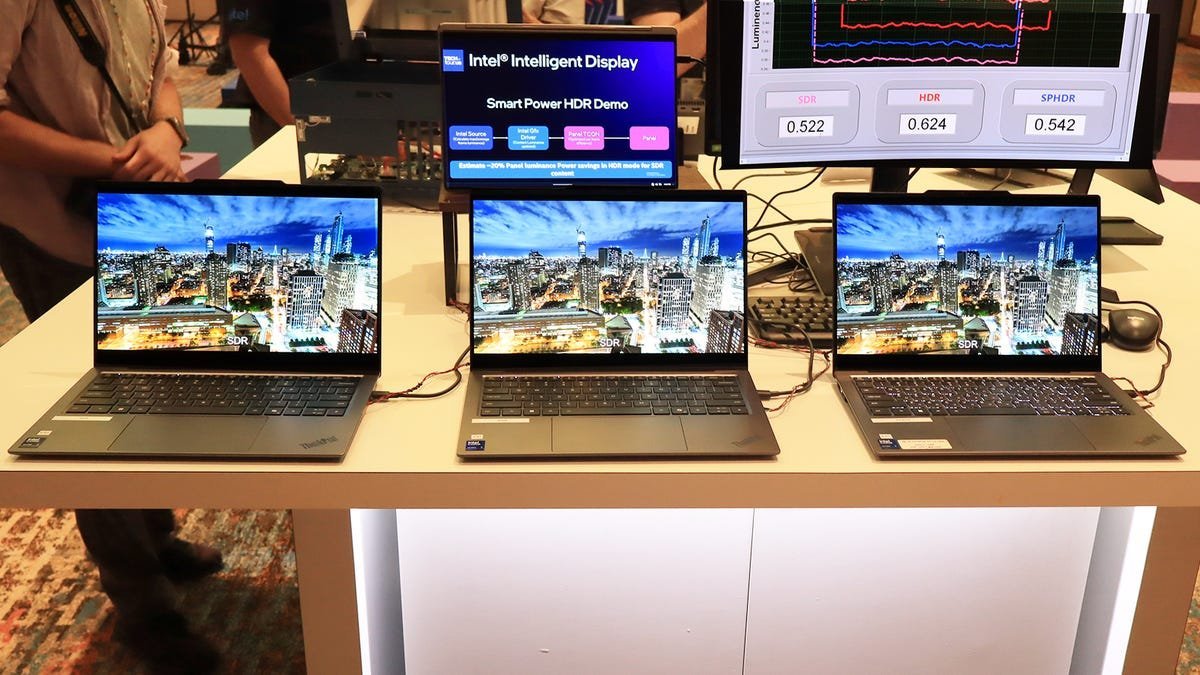
At Intel's Tech Tour 2025, the spotlight shone brightly on the raw performance metrics of the upcoming Core Ultra Series 3 "Panther Lake" processors. Yet for engineers and power users, the most compelling revelations weren't the clock speed boosts or core counts—they were the understated architectural refinements that solve genuine pain points in mobile computing. Slated for early 2026 laptops, Panther Lake leverages Intel's advanced A18 process node not just for brute force, but for intelligent efficiency gains that manifest in two critical areas: wireless connectivity and gaming performance.
The Quiet Revolution in Wireless: Wi-Fi 7 R2 and 6GHz Band
"We're fundamentally rethinking how devices negotiate bandwidth," explained an Intel wireless architect during deep-dive sessions. Panther Lake introduces native support for the 6GHz frequency band—a channel with twice the throughput of 5GHz and 1,200MHz bandwidth. This isn't just about theoretical speeds; it enables Multi-Link Operation (MLO), allowing devices to dynamically switch between congested channels without dropping connections.
Consider a video editor uploading large files while other household devices saturate the 5GHz band. Panther Lake's silicon-level MLO support automatically shifts traffic to the clearer 6GHz spectrum—no manual intervention required. More significantly, Wi-Fi 7 Release 2 (R2) compliance introduces Multi-Link Configuration, where access points consolidate underutilized bands to conserve energy. For developers, this means:
- Reduced latency for real-time applications
- 30-40% energy savings during moderate-load scenarios (per Intel internal tests)
- Seamless handoff for bandwidth-intensive tasks
Gaming's Silent Leap: Xe3 Architecture and AI Frame Generation
While AMD and Nvidia dominate discrete GPU discussions, Panther Lake's integrated Xe3 graphics target a different battleground: playable frame rates without dedicated hardware. The microarchitecture delivers:
- 25% more threads versus Xe2
- Enhanced 12-bit vector engines
- Dedicated ray tracing units
- Larger L1 cache with variable register allocation
Benchmarks shown during closed sessions revealed startling gains: rendering times slashed from 45.44ms (Lunar Lake) to 22.84ms—effectively doubling real-time performance. But the true game-changer is XeSS Multi-Frame Generation (MFG). Unlike traditional upscaling, MFG uses AI to generate three additional frames per native rendered frame. During a live demo, Dying Light: The Beast ran at a native 30 FPS while displaying over 130 FPS through MFG interpolation—with no observable artifacting.
"These aren't marketing gimmicks," stated Intel Fellow Tom Peterson. "We're solving the physics problem of mobile thermal constraints while delivering desktop-class responsiveness."
The Efficiency Imperative
Panther Lake's "boring" advancements reflect a strategic pivot: raw power matters less than contextual performance. For developers, this means:
- Longer compile times on battery
- Smoother CI/CD workflows in bandwidth-constrained environments
- Viable gaming performance without discrete GPUs
When these chips land in early 2026, the winners won't be benchmark leaderboards—they'll be engineers working untethered from outlets, cloud gamers streaming AAA titles, and creators collaborating on high-fidelity assets without hunting for Ethernet ports.
Source: ZDNET
Comments
Please log in or register to join the discussion