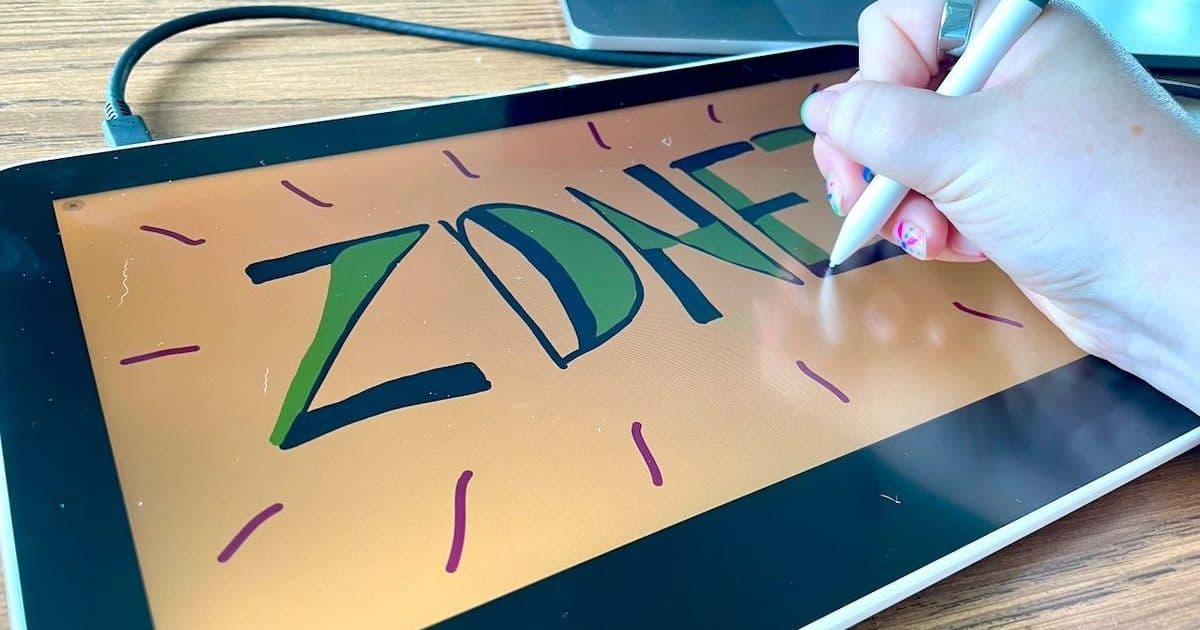
ZDNET's rigorous testing reveals the top drawing tablets of 2025, from the powerhouse iPad Pro to budget-friendly Huion gems. Discover how pressure sensitivity, display tech, and accessory ecosystems are empowering artists to create anywhere, challenging traditional studios.
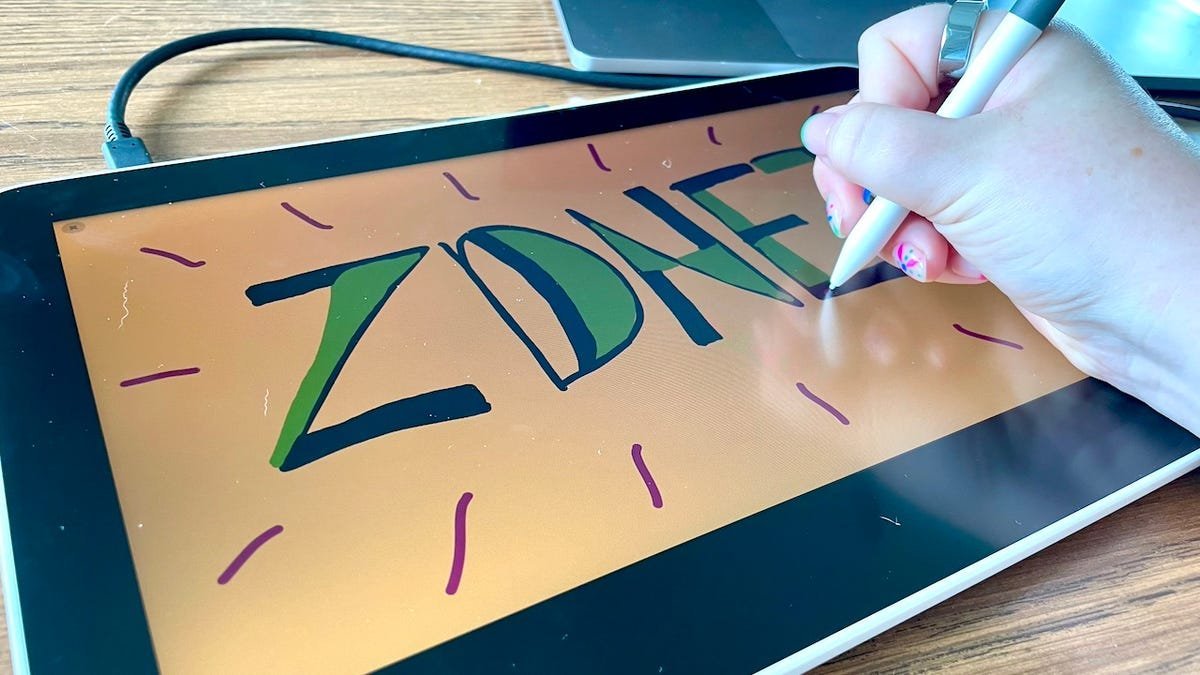
The humble drawing tablet has evolved from niche peripheral to indispensable creative engine, fundamentally altering how artists translate vision into digital reality. ZDNET's comprehensive testing of 2025's leading devices—spanning premium pen displays, versatile iPads, and precise screenless tablets—uncovers tools that blend technical prowess with artistic intuition, democratizing high-end creation far beyond professional studios.
The Display Revolution: Where Pixels Meet Precision
At the pinnacle sits Apple's 7th Gen iPad Pro, powered by the M4 chip and featuring a groundbreaking OLED display. "The M4 OLED iPad Pro is a much easier sell for professional digital artists," states ZDNET Editor-in-Chief Jason Hiner. Its 1,600-nit HDR brightness and per-pixel color accuracy, combined with the new Apple Pencil Pro's squeeze gestures and haptic feedback, create an immersive, lag-free experience. For traditionalists seeking the ultimate canvas, Wacom's Cintiq Pro 24 remains the splurge-worthy standard. Animation director Jim Mortensen, a 15-year Wacom user, emphasizes its reliability: "Wacom products have been incredibly reliable for me... It will take a LOT for me to switch away." Its 4K resolution and 99% Adobe RGB coverage deliver uncompromising fidelity.
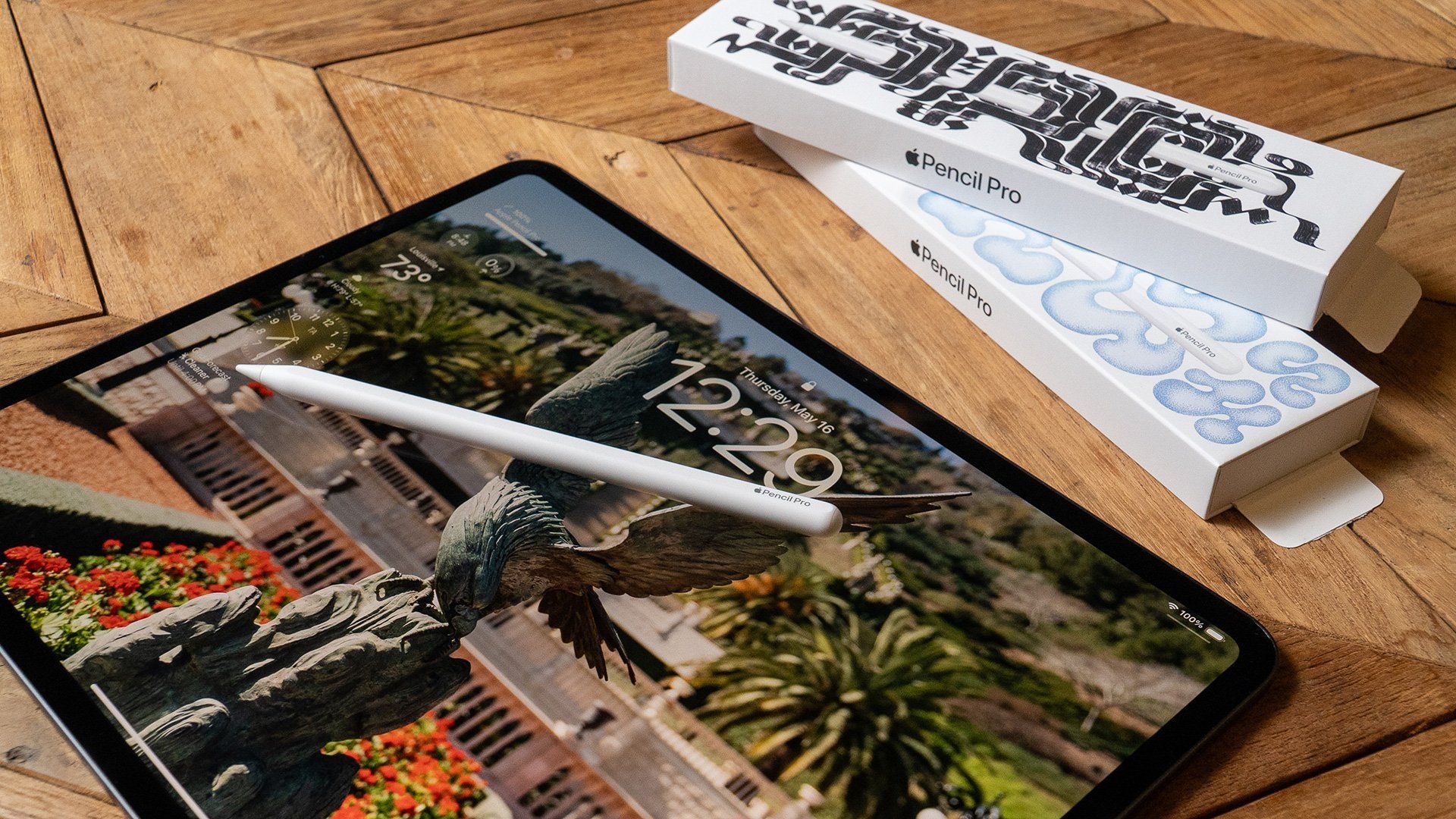 ZDNET's testing confirmed the iPad Pro's M4 chip and OLED display set a new benchmark for responsive, color-accurate digital art creation.
Mastering the Fundamentals: Value & Control Without Screens
Not every masterpiece requires a built-in display. Wacom's refreshed Intuos Pro exemplifies screenless excellence. ZDNET's Maria Diaz noted its surprising versatility: "The Wacom Intuos Pro also lets you navigate your computer like a giant trackpad with a pen... enabling more intuitive editing in Photoshop or Premiere Pro." Its 8,192 pressure levels and customizable ExpressKeys offer granular control. For those prioritizing value, Huion's Kamvas Pro 13 punches above its weight. Freelance concept artist Chuan Shin highlights Huion's strengths: "Huion makes the best tablets when it comes to value and cost... without issues with driver updates." Its 120% sRGB coverage and ±60-degree tilt support provide pro features at an accessible price point.
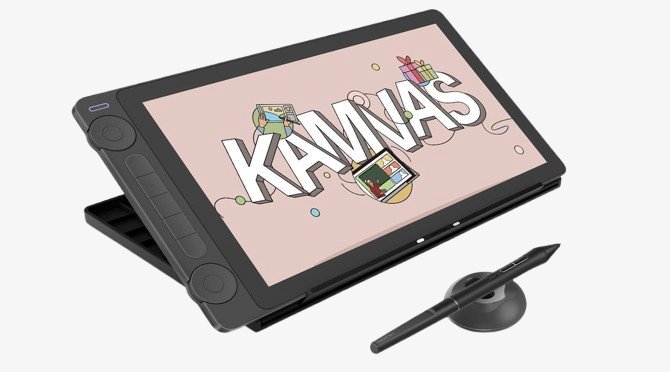 The Huion Kamvas Pro 13 demonstrates how budget-friendly tablets now offer features like high color gamut coverage and tilt support once reserved for premium models.
Beyond the Pen: Ecosystems That Elevate Workflow
True creative flow often hinges on peripherals. Xencelabs' Pen Tablet Bundle addresses this directly, including a drawing glove, Quick Keys remote, and two specialized pens. Graphic designer Nick Saporito praises the programmable controller: "You can create custom key bindings... program one button to 'Undo' by binding it to Control + Z." This focus on holistic ergonomics and customization streamlines complex projects. Meanwhile, Wacom's One 13 Touch integrates multi-touch gestures directly onto its display, offering intuitive zooming and panning alongside its natural pen feel – a hybrid approach tested favorably by ZDNET for its responsiveness.
The Palette of Choice: Implications for the Creative Toolbox
The diversity of top contenders underscores a pivotal shift: there's no single "best" tool, only the best tool for the artist and the moment. The iPad Pro excels in portability and integrated power, ideal for on-the-go illustrators. Wacom's Cintiq and Intuos lines deliver uncompromising precision for studio veterans. Huion and Xencelabs prove premium features are increasingly accessible, lowering barriers for emerging talent. As pressure sensitivity becomes table stakes (8,192 levels are now common) and color accuracy reaches new heights, the battleground shifts to user experience – seamless software integration, ergonomic design, and accessory ecosystems. This evolution doesn't just change how art is made; it expands who can make it professionally, turning any space with inspiration into a potential studio. The future of digital artistry lies not in replacing the artist's hand, but in providing ever more intuitive and powerful extensions of it.
Source: ZDNET Expert Testing & Reviews (July 2025), featuring insights from industry professionals Chuan Shin, Jim Mortensen, and Nick Saporito.
Comments
Please log in or register to join the discussion