A new open-source project transforms Spotify playlists into printable Hitster game cards, blending QR technology with tangible gameplay. Developers can generate custom music trivia cards using Python and Spotify's API, enabling offline social experiences from digital libraries. The tool showcases practical integration of APIs, QR generation, and PDF automation for creative tech applications.
In an era dominated by streaming, a novel open-source project reimagines how we interact with digital music collections. The Hitster Card Generator bridges Spotify's vast library with physical gameplay, allowing developers to transform playlists into printable music trivia cards. This Python-based tool automates the creation of tangible game pieces from digital assets—a clever fusion of API integration and practical output generation.
How It Works: From Stream to Physical Deck
At its core, the solution leverages Spotify's Web API to extract track metadata (title, artist, cover art) and song URLs. For each track, it generates a scannable QR code that deep-links directly to the song on Spotify. Using the Typst typesetting system, it then formats these elements into duplex printable cards:
- Front side: Album art and QR code
- Back side: Artist name, song title, and gameplay instructions
The resulting PDF includes cutting guides for physical production, ready for home printers:
# Core workflow
poetry run python main.py
# Output: hitster.pdf with optimized card layout
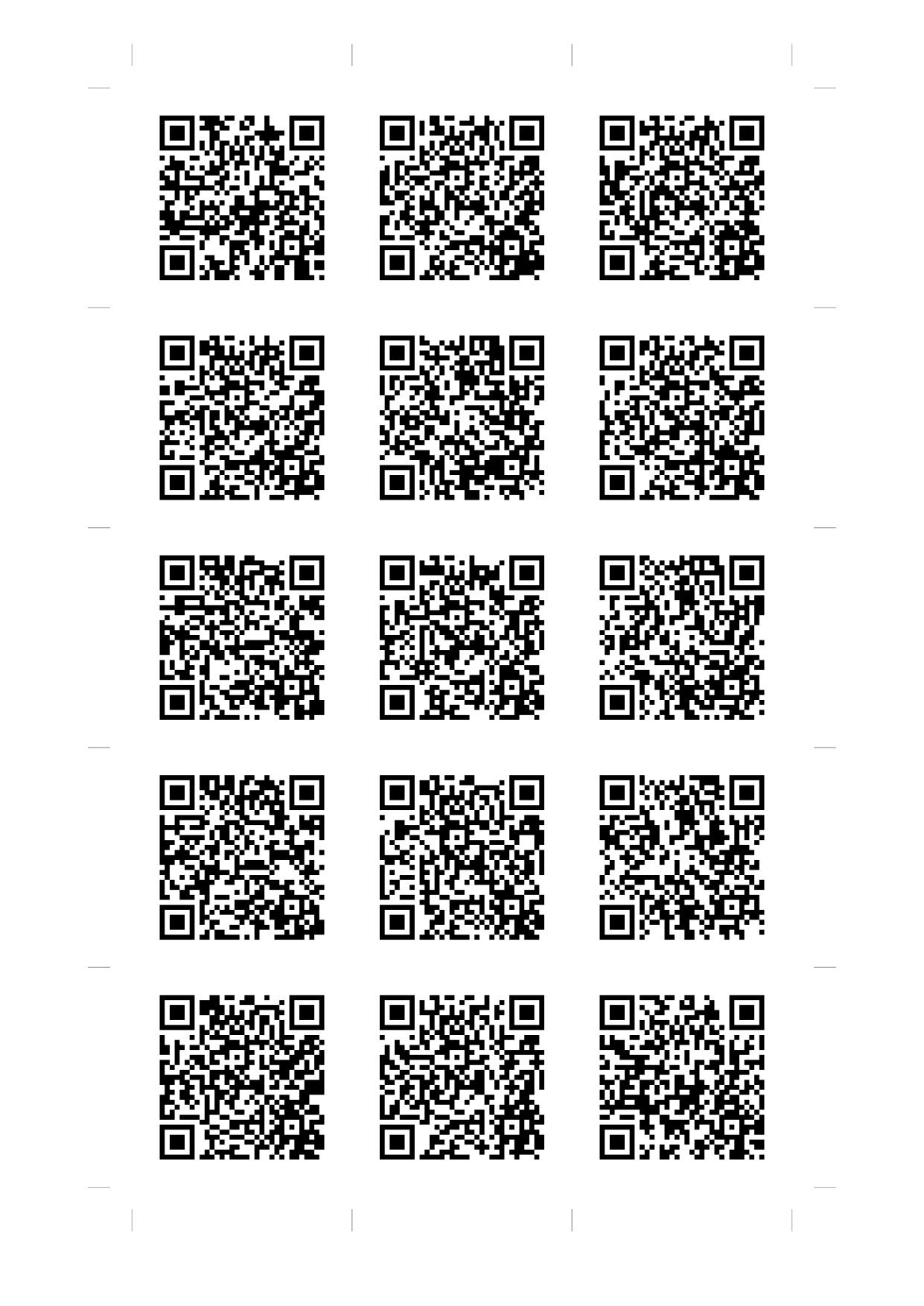 Front of generated card showing album art and QR code
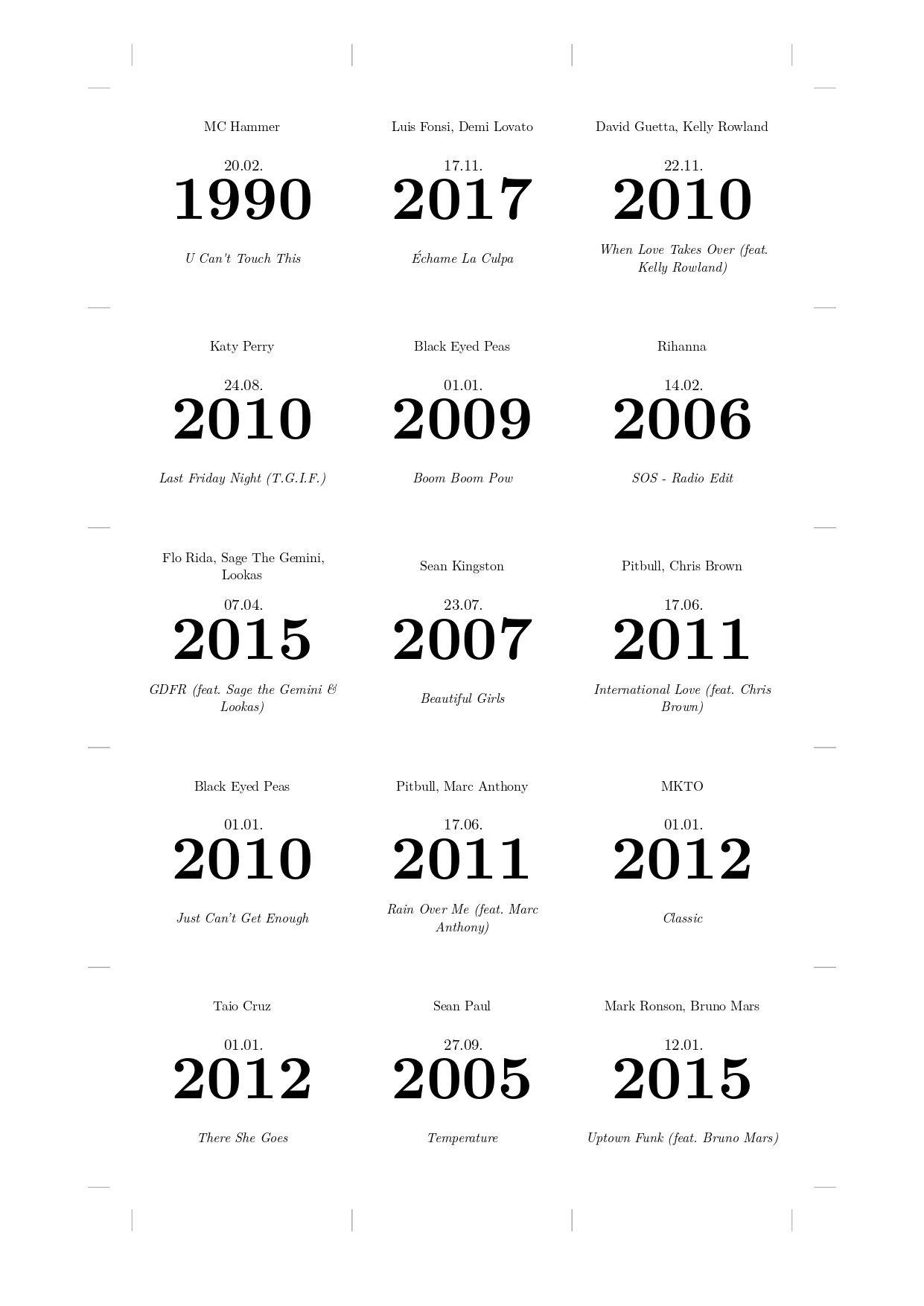 Back with song details and gameplay instructions
Technical Highlights
- Spotify OAuth Integration: Secure authentication using
CLIENT_IDandCLIENT_SECRETenvironment variables - Dynamic QR Generation:
qrcodelibrary transforms Spotify URIs into scannable game triggers - Print-Ready PDFs: Typst templates (
hitster.typ) enable adjustable card dimensions and duplex alignment - Customization: Developers can modify card sizes, grid layouts (rows/columns), and cutting margins
The Gameplay Experience
When players scan a card's QR code, Spotify launches the song while obscuring identifying details. This creates a music guessing game where participants identify tracks based solely on audio—perfect for parties where phones typically disrupt social interaction. The physical format deliberately separates the scanner (who can't see metadata) from guessers, preserving fair play.
Why Developers Should Care
Beyond its entertainment value, this project demonstrates several practical engineering patterns:
- API Integration: Clean abstraction of Spotify's REST API
- On-Demand Asset Generation: Dynamic image/PDF creation workflows
- Environment-Based Configuration: Secure credential management
- Physical-Digital Bridging: QR codes as tangible hyperlinks
As streaming services dominate media consumption, tools like Hitster Card Generator offer blueprints for creating tactile experiences from digital sources—whether for games, educational tools, or novel marketing materials. By open-sourcing the implementation, the project invites further experimentation with other APIs and output formats.
Source: GitHub Repository
Comments
Please log in or register to join the discussion