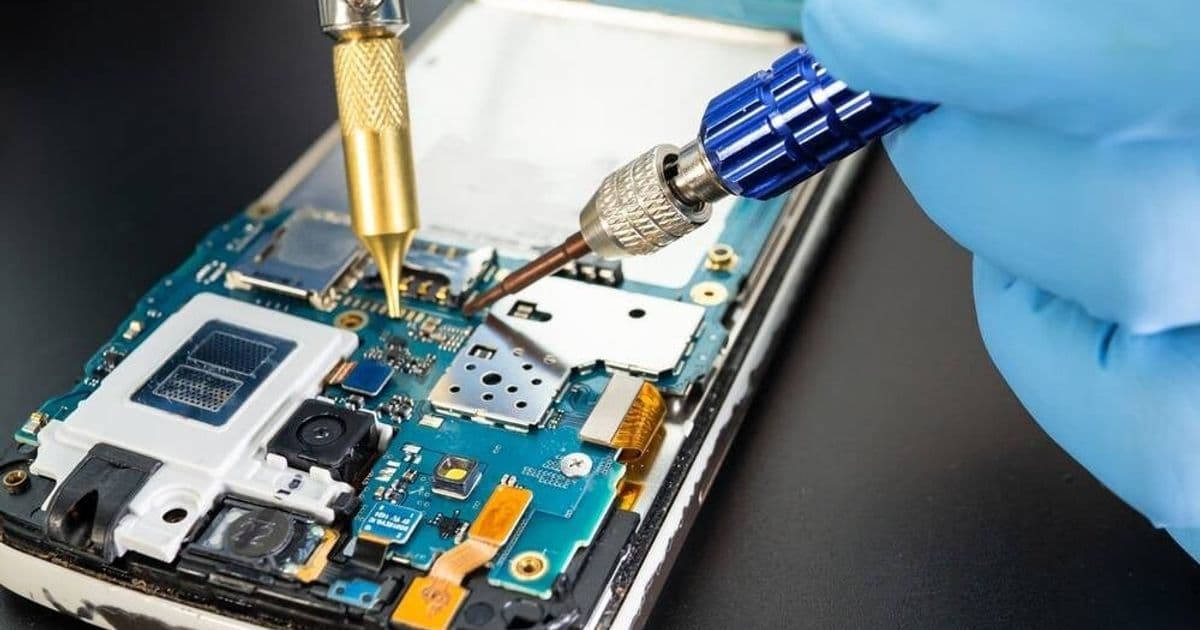
A global shortage of memory chips is forecast to push smartphone prices higher in 2026, with analysts predicting a market decline as cost pressures force vendors to focus on profitability and operational efficiency. The situation is particularly critical for entry-level phones, where memory costs make up a larger share of the bill of materials, potentially triggering consolidation among smaller manufacturers.
The smartphone industry is bracing for a challenging 2026 as a persistent memory shortage drives up component costs, forcing vendors to make difficult pricing decisions that will disproportionately affect budget devices. According to industry analysts, the rising cost of memory chips is expected to push average smartphone prices higher this year, potentially triggering a market contraction and accelerating consolidation among smaller manufacturers.
The Memory Shortage and Its Market Impact
Industry watchers agree that 2026 will be a tough year for smartphone manufacturers, following modest growth in 2025 when global shipments reached approximately 1.25 billion units, according to Omdia. The defining factor this year will be mounting cost pressures from memory shortages, which have already begun affecting the market. These pressures will force vendors to prioritize pricing discipline, profitability, and operational efficiency throughout 2026.
"All vendors are utilizing mitigating tactics by emphasizing long-term partnerships, for example, utilizing scale to secure capacity, and focusing on their supplier base," said Omdia senior analyst Runar Bjørhovde. "The situation is particularly critical for vendors with heavier exposure to entry-level smartphones, which are highly price elastic and where memory and storage costs make up a higher share of the bill of materials."
IDC largely agrees with this assessment, noting that while 2025 was relatively positive for smartphones, the industry now faces a distinctly different outlook. "The memory shortage, which is widely considered an unprecedented supply chain disruption, will cause the market to decline in 2026, and the duration of the shortage will ultimately determine the extent of the market contraction," said Ryan Reith, IDC group VP for Worldwide Client Devices.
Price Increases and Market Contraction
Analysts project that smartphone prices may rise by 6-8 percent in 2026, with the low end of the market bearing the brunt of these increases. In this tier, vendors will have little choice but to pass cost increases directly to consumers, as their margins are already razor-thin.
The looming crisis was signposted late last year when analysts highlighted that memory chip manufacturers were primarily allocating production capacity to high-value components used in AI servers and GPUs, where demand continues to grow exponentially. This leaves significantly less production capacity available for commodity memory chips used in PCs, phones, and consumer electronics.
According to IDC, memory represents 15-20 percent of the total bill of materials for a mid-range smartphone, while it accounts for approximately 10-15 percent for high-end flagship devices. As memory prices balloon, phone makers will face a difficult choice: raise prices, cut specifications, or implement a combination of both strategies.
New flagship smartphones released in 2026 are less likely to feature increased memory capacity compared to last year's models, and consumers should not expect vendors to offer substantial discounts. This represents a significant shift from recent years when manufacturers competed by offering progressively larger memory configurations.
Industry Response and Consolidation Pressure
In response to these pressures, vendors are implementing several strategies. They are tightening device configurations, aligning product launches with component availability, and using channel-led incentives such as services and trade-in programs to support higher price points, according to Omdia Principal Analyst Sanyam Chaurasia.
However, the most significant long-term response may be industry consolidation. The push for greater economies of scale will likely drive mergers among smaller players who cannot secure favorable memory supply agreements. This trend is already becoming evident, with Chaurasia citing the example of China-based brand Realme reintegrating under OPPO's umbrella as "early signs of consolidation as vendors seek greater scale to manage rising costs to maintain competitiveness in the decade's second half."
Market Forecasts and Implications
The effect of these pressures could see the smartphone market contract by 2.9 percent in 2026, according to IDC's baseline forecast, or as much as 5.2 percent in its most pessimistic scenarios. This contraction would represent a significant reversal from the modest growth experienced in 2025.
For consumers, this means fewer budget-friendly options and potentially higher prices across all segments. For manufacturers, particularly smaller players, the ability to secure memory supplies at competitive prices will become a critical factor in their survival. The memory shortage is not just a temporary supply chain hiccup but a structural shift in the semiconductor industry that prioritizes high-margin AI components over consumer electronics.
The situation underscores the interconnected nature of the technology ecosystem, where demand in one sector (AI infrastructure) creates ripple effects across others (consumer smartphones). As the industry adapts to this new reality, 2026 may well be remembered as the year when the smartphone market's growth trajectory was fundamentally altered by memory supply constraints.
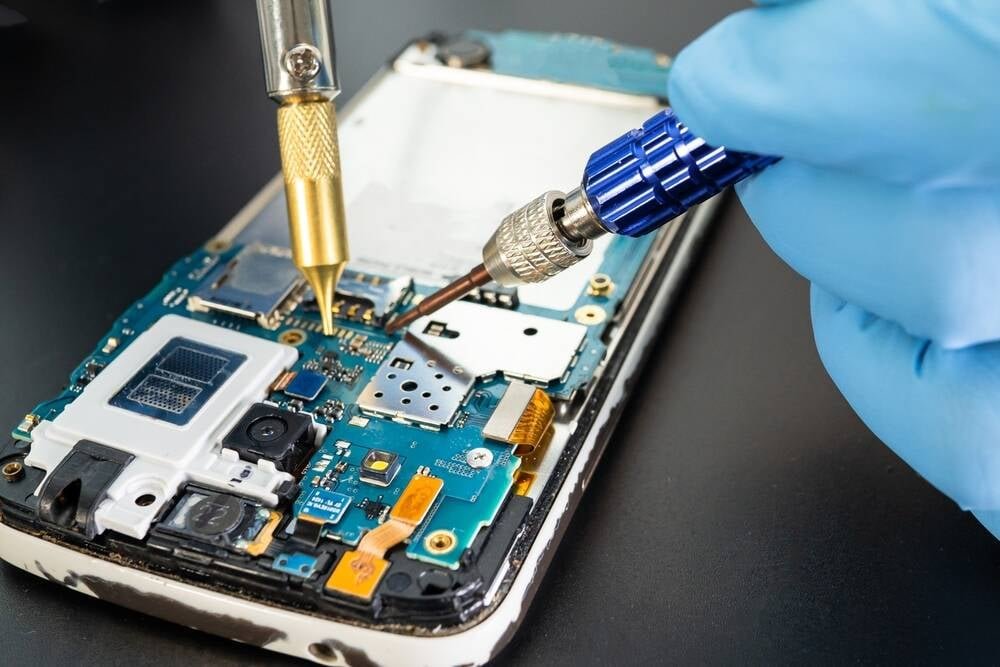
Featured image: The memory shortage is forcing smartphone vendors to make difficult pricing decisions that will disproportionately affect budget devices.
Comments
Please log in or register to join the discussion