
Discover how Deno's security-first approach and integrated tooling streamline web game development. This hands-on guide walks through setting up a browser-based dinosaur runner game with Oak middleware, permission-aware deployment, and Deno Deploy integration.
The landscape of JavaScript runtimes continues evolving, and Deno's security-focused architecture presents compelling advantages for modern web development. A new tutorial series demonstrates these capabilities through practical application: building a browser-based dinosaur runner game from initial setup to cloud deployment.

At its core, Deno eliminates historical Node.js pain points through built-in TypeScript support, a secure permissions model, and consolidated tooling. As showcased in the tutorial, initializing a project requires just:
deno init dino-runner
This generates a lean project structure with deno.json configuration. The tutorial establishes a server using Oak middleware - Deno's answer to Express.js - with explicit permissions:
// src/main.ts
const app = new Application();
app.use(async (context, next) => {
  try {
    await context.send({ root: `${Deno.cwd()}/public` });
  } catch { await next(); }
});
Security permeates the workflow. Unlike Node's permissive defaults, Deno requires explicit flags for resource access:
// deno.json tasks
"dev": "deno run --allow-net --allow-read --allow-env ..."
This granular control proves especially valuable when handling user-facing applications.
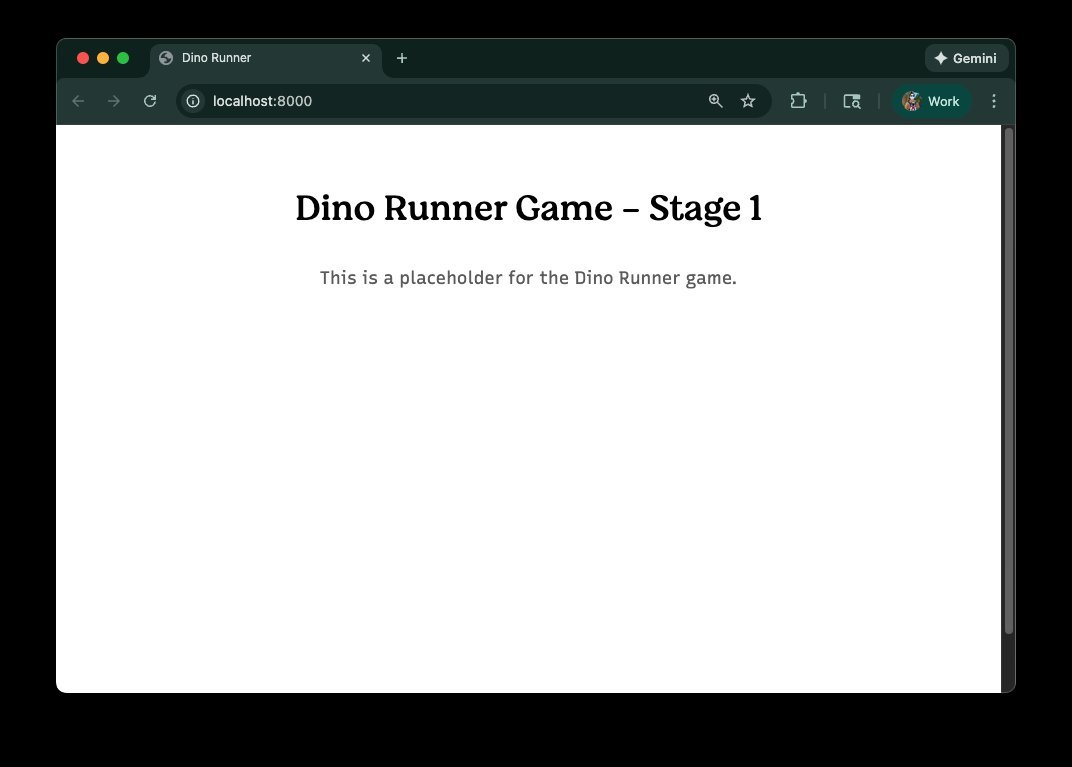
The tutorial progresses through practical patterns:
- Static asset serving via
public/directory - Route creation with Oak's Router (
/api/healthendpoint) - Environment configuration using
.envfiles - Deployment to Deno Deploy's serverless infrastructure

What makes this approach noteworthy? Deno Deploy's tight integration eliminates complex build pipelines. Deployment reduces to:
deno deploy
The platform automatically handles TypeScript compilation and global distribution - critical for real-time game performance.
For JavaScript developers, this workflow demonstrates Deno's maturation. The runtime's native Web APIs reduce framework dependencies, while JSR package management offers an npm alternative. As the series progresses toward game mechanics implementation, Deno's capability to unify backend services and frontend logic warrants attention.
Source: Deno Blog
Comments
Please log in or register to join the discussion