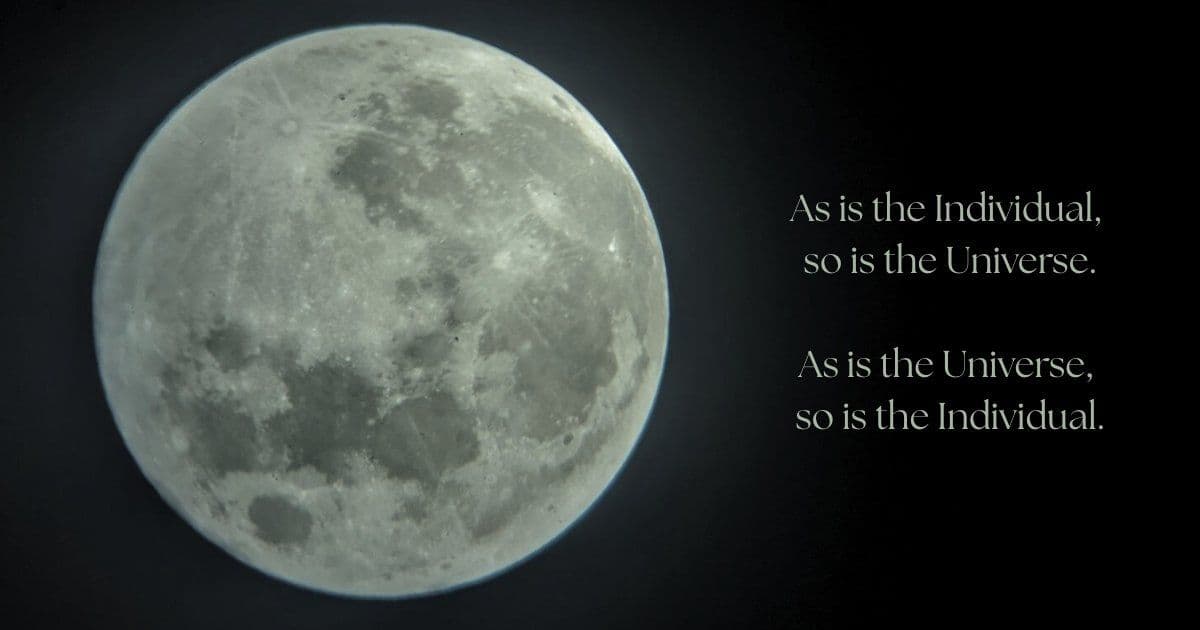
Two amateur astronomers in Bengaluru, India build a 6-inch Newtonian reflector telescope from scratch, documenting their journey from inspiration to first light.
When two friends in Bengaluru found themselves endlessly scrolling through Reddit, mesmerized by stunning astrophotography of celestial objects, they asked themselves a simple question: HOW MUCH DOES A DECENT TELESCOPE COST? The answer, as they discovered, was 'a lot' - though that 'lot' is certainly subjective depending on your perspective and budget.
Living in Bengaluru during the October to March months offered them the perfect opportunity. The clear skies during this period make it ideal for stargazing, and something had to be done. Rather than purchasing an expensive commercial telescope, they decided to build their own.
Their journey began with research through Reddit feeds and Cloudy Nights forums, where amateur astronomers share experiences and advice. This led them to discover a book called "Build Your Own Telescope" by Richard Berry (1985), which presented the information in an engaging way. Initially considering a 4-inch telescope, they eventually decided on a 6-inch Newtonian Reflector with a Dobsonian mount - a design choice that would become the foundation of their project.
The telescope they built, which they named CURIOSITY, features impressive specifications:
- Design: 6" (150mm) Newtonian Reflector
- Focal Length: 900mm
- Primary Mirror: Ø 150mm
- Secondary Mirror: Ø 28mm (minor axis) & Ø 38mm (major axis)
- Eyepieces: 25mm, 9mm & Barlow Lens
The Dobsonian mount, named after amateur astronomer John Dobson who popularized this simple yet effective design, provides a stable and easy-to-use platform for the telescope. This alt-azimuth mount design is particularly well-suited for beginners and offers excellent value for money.
Their building process wasn't just about creating a functional instrument - it was about the journey of discovery. The project spanned several months, with observations recorded on various dates:
- 23rd January, 2026: Initial observations with 25mm eyepiece
- 27th January, 2026: Using 25mm eyepiece with 2x Barlow
- 30th January, 2026: Lunar descent observation with 9mm eyepiece and 2x Barlow lens at 200x magnification
- 13th February, 2026: Jupiter observations with 9mm eyepiece and 2x Barlow
- 3rd March, 2026: Full moon observations and white balance experimentation
- 3rd March, 2026: Lunar eclipse viewing, capturing the red moon phases
One of the practical considerations they addressed was portability. The telescope comes with bag straps, making it easier to carry to different observation locations - a crucial feature for urban astronomers who might need to travel to darker skies away from city light pollution.
The project represents more than just a technical achievement. It embodies the spirit of amateur astronomy - the curiosity that drives people to look up at the night sky and wonder. By building their own telescope, Madhav and Swarup gained not just an observational tool, but a deeper understanding of the optics and mechanics behind astronomical instruments.
Their story resonates with the broader maker movement and the DIY ethos that has gained momentum in recent years. With resources like Richard Berry's book still relevant decades after publication, and online communities providing support and knowledge sharing, building your own telescope has never been more accessible.
For those inspired by their journey, the path forward is clear: start with research, connect with communities, choose a design that matches your skill level and budget, and embrace the learning process. The night sky has never been more inviting, and with a little curiosity and determination, anyone can build their own window to the cosmos.
Comments
Please log in or register to join the discussion