Nvidia confirms ByteDance's access to massive Blackwell GPU cluster in Malaysia is legal under current US export controls, as hardware location—not usage location—determines compliance.
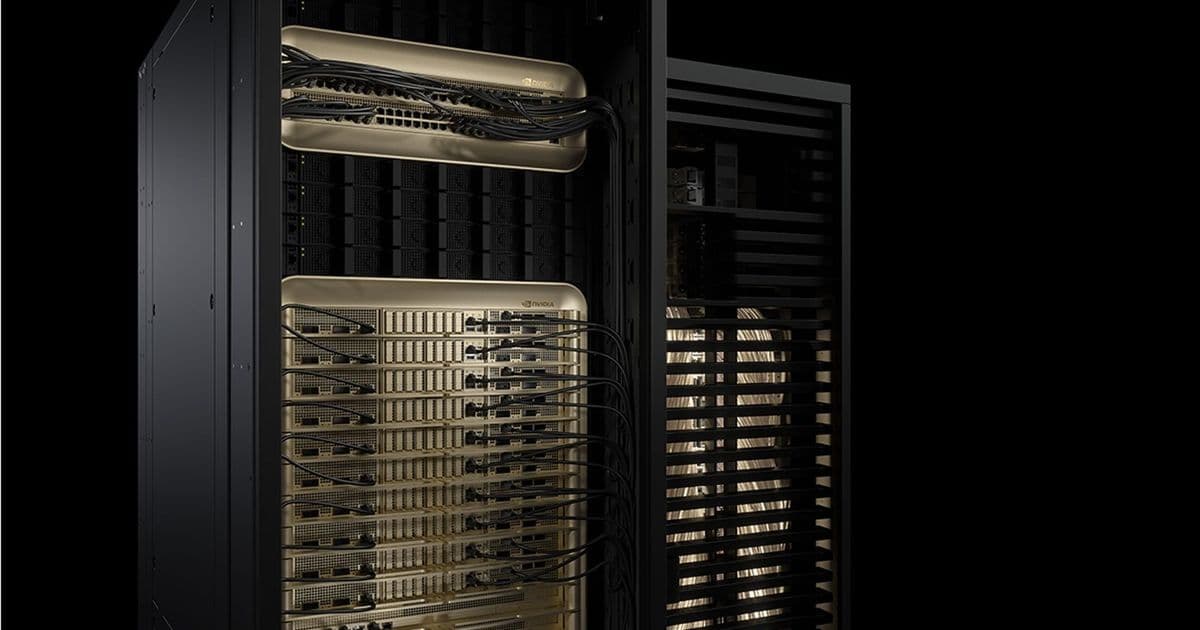
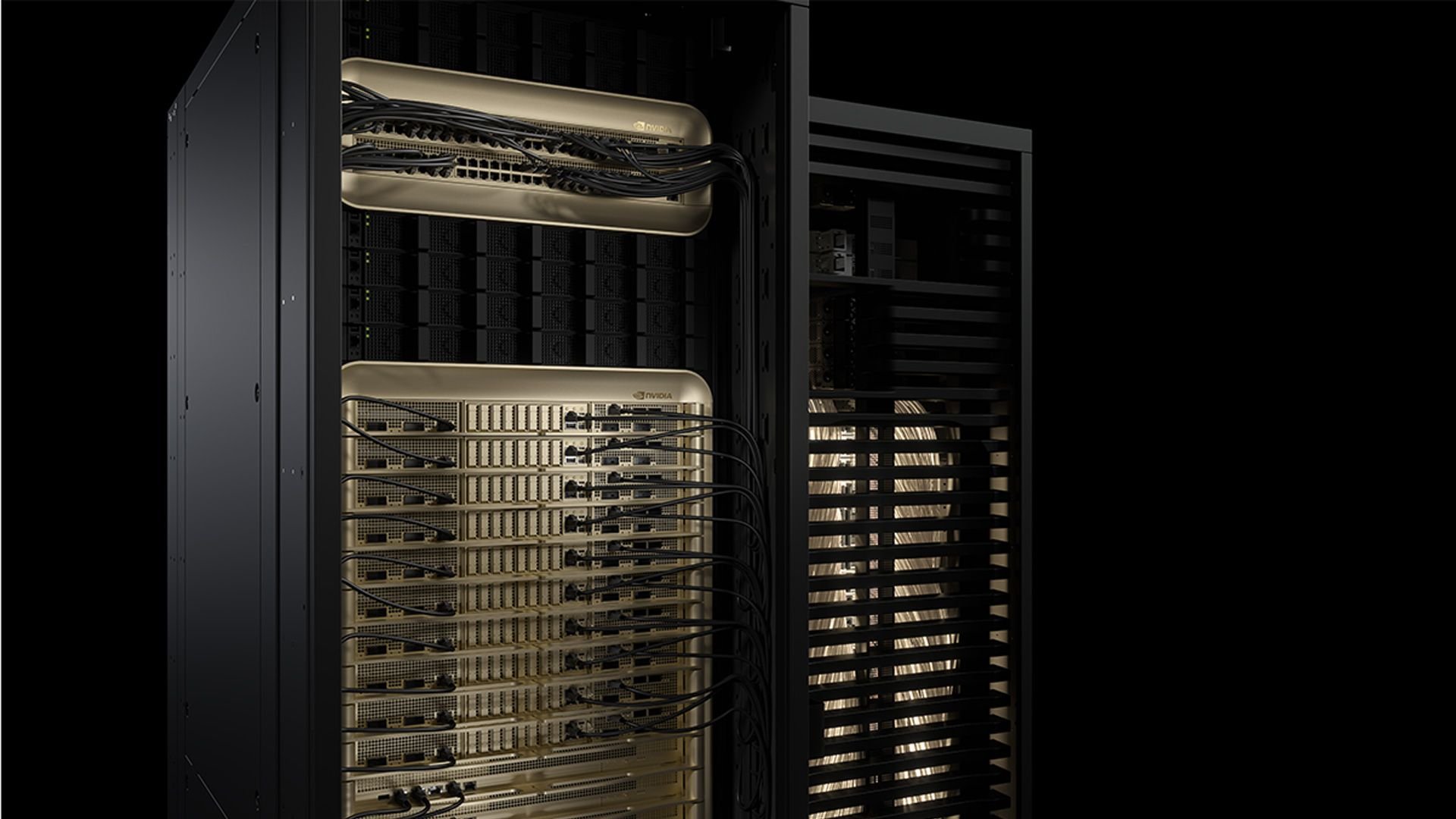
Nvidia has confirmed that ByteDance's arrangement to access a 36,000 Blackwell GPU cluster in Malaysia through Aolani Cloud complies with US export controls, despite the Chinese company's inability to directly purchase the latest AI accelerators. The deal, valued at approximately $2.5 billion, involves 500 NVL72 GB200 rack-scale systems physically located in Malaysia but available for ByteDance's research and development purposes.
Legal Framework and Export Compliance The arrangement highlights a critical aspect of the 2023 US export controls: they regulate where hardware is shipped, not where its computational power is ultimately used. This distinction allows American companies to build and operate cloud infrastructure globally while maintaining compliance with export regulations.
Nvidia's compliance teams conduct thorough evaluations of cloud partners before shipping hardware, reviewing operations, finance, and compliance procedures. The company emphasized that all cloud partners must be cleared through these processes, whether receiving products directly or through original equipment manufacturers (OEMs).
Aolani Cloud's Role and Scale Aolani Cloud, established in late 2023 under a Cayman Islands holding structure, operates as a Tier-1 cloud partner of Nvidia. This designation provides priority access to the latest accelerators and certification from the GPU developer. However, it does not automatically guarantee all required export licenses from the US government.
The proposed expansion represents a massive scale-up for Aolani, which currently operates with roughly $100 million worth of hardware. The company has been leasing AI servers equipped with Nvidia H100 GPUs to ByteDance since February 2025, suggesting a pre-existing relationship that likely served as a test case for the more advanced Blackwell deployment.
ByteDance's Strategic Positioning For ByteDance, the arrangement provides access to cutting-edge AI hardware without direct purchase, allowing the company to develop its AI products and compete for a share of the global AI market. The company is reportedly considering additional deployments, including a cluster with over 7,000 B200 GPUs at a data center in Indonesia.
This strategy reflects how Chinese companies are navigating US export restrictions by leveraging cloud infrastructure located in third countries. Since ByteDance is not on the Bureau of Industry and Security's Entity List or Military End Use list, its potential use of Nvidia hardware does not automatically trigger compliance concerns.
Market Implications
The deal underscores the economic impact of export controls on the semiconductor industry. According to Nvidia, these regulations have effectively given the world's second-largest commercial market to foreign competitors. The company argues that allowing American hardware to power global cloud infrastructure brings tens of billions of dollars and high-paying jobs back to the United States.
Funding for the massive Malaysian deployment remains unclear, though initial payments have reportedly been made. The arrangement demonstrates how complex international supply chains and cloud computing models can create pathways for technology access that comply with regulatory frameworks while meeting market demands.
The case also highlights the ongoing tension between national security concerns and economic interests in the semiconductor industry. While some US lawmakers express unease about Chinese companies using American AI accelerators, the current regulatory framework permits such arrangements as long as hardware location compliance is maintained.
This development represents a significant example of how export controls shape the global AI hardware market, creating new business models and partnerships that operate within regulatory boundaries while enabling continued technological advancement and competition.
Comments
Please log in or register to join the discussion