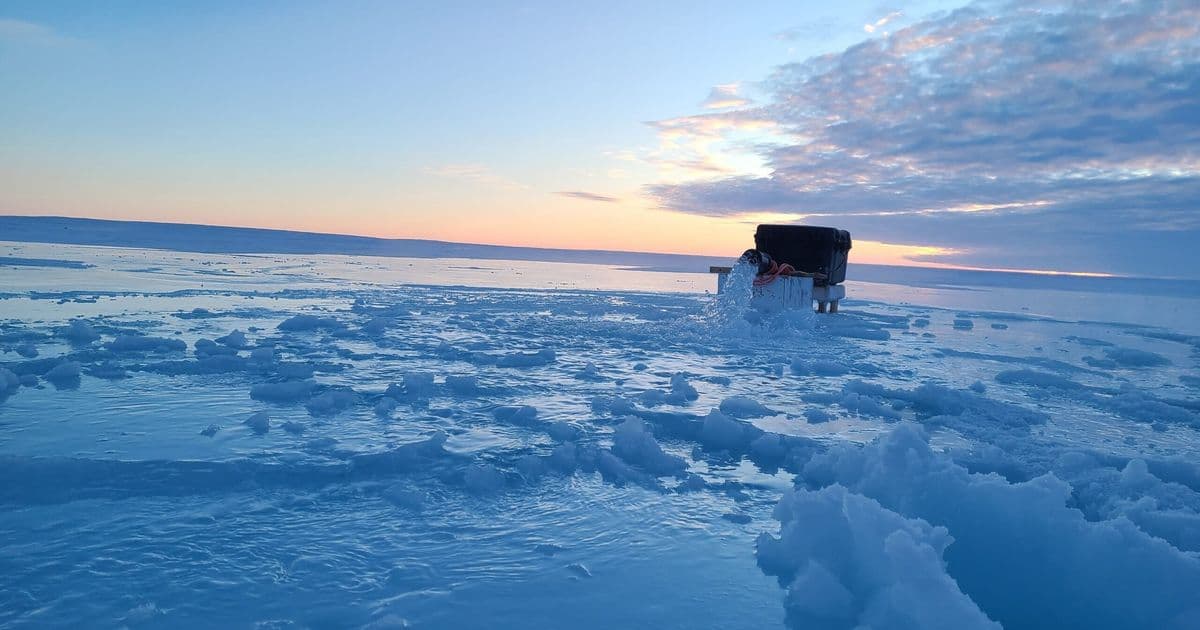
As Arctic sea ice vanishes at alarming rates, startup Real Ice deploys pumps to spray seawater onto thinning ice sheets, aiming to create thicker, longer-lasting ice. This controversial geoengineering approach faces scientific skepticism about scalability and environmental impact.
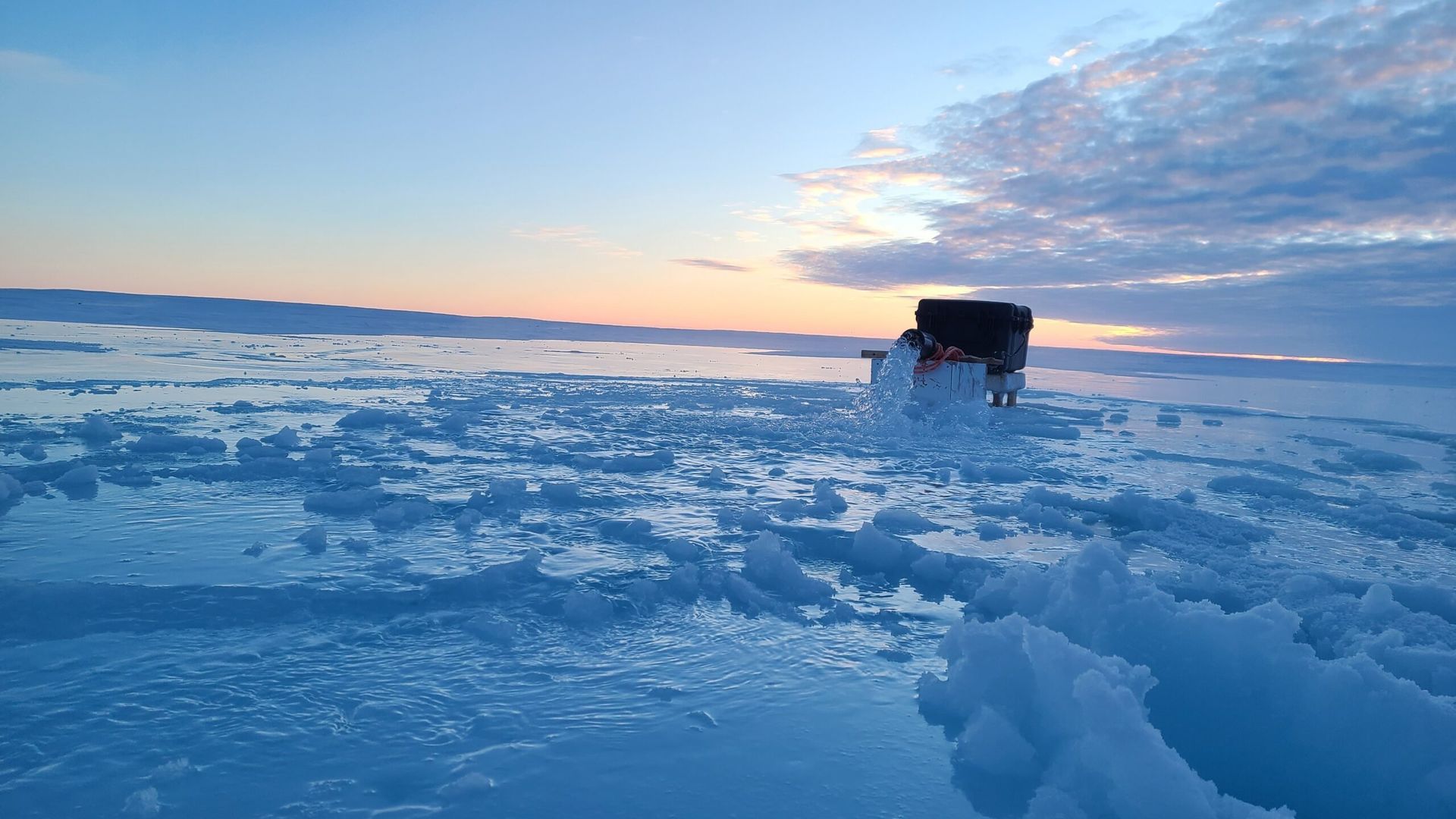
The Arctic is warming four times faster than the global average, with summer sea ice declining so rapidly that scientists predict ice-free summers within decades. This isn't just an environmental tragedy—it's a planetary emergency. Thinner ice accelerates warming by absorbing solar radiation instead of reflecting it, creating a dangerous feedback loop. Into this crisis steps Real Ice, a startup testing a daring technological intervention: using pumps to flood existing ice with seawater that freezes into thicker layers.
Engineering Winter's Shield
Real Ice's method targets the physics of ice formation. During Arctic winters, teams deploy buoyant pumps to draw seawater onto thinning ice sheets. The water freezes rapidly in sub-zero temperatures, adding up to 1-2 feet of thickness. "Thicker ice survives longer into summer, reflecting critical solar radiation back into space," explains CEO Andrea Ceccolini. 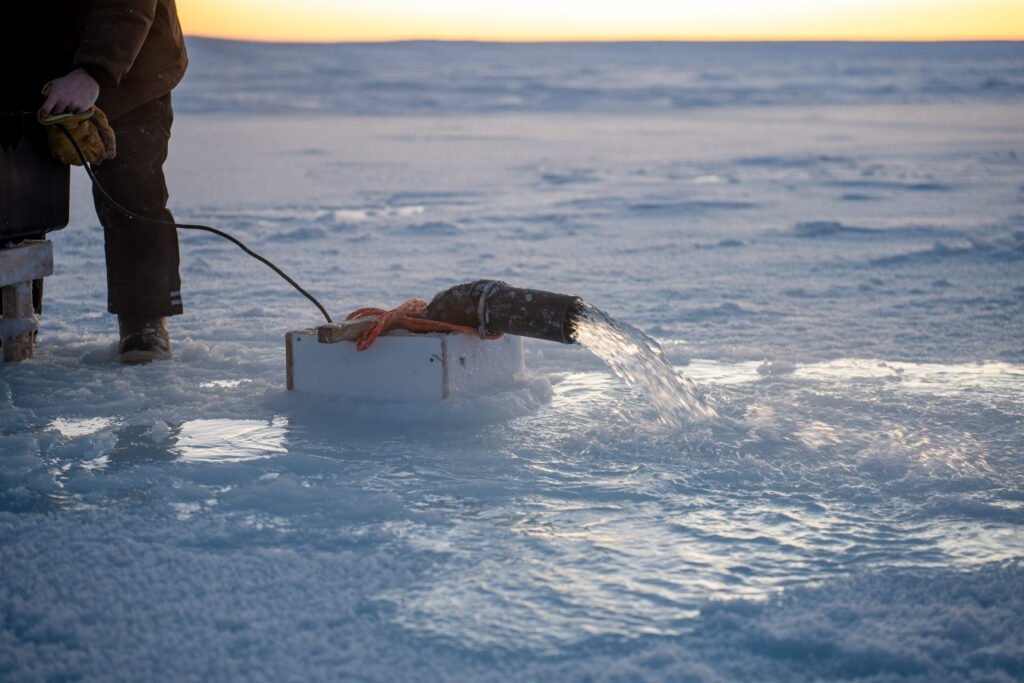 shows one such pump during field tests in Cambridge Bay, Canada.
The ambition isn't to restore historic ice levels but to extend existing ice's lifespan by weeks—potentially delaying climate tipping points. Each thickened patch acts as a high-albedo shield against solar gain. Yet the approach faces immense technical hurdles. Scaling from research trials to meaningful Arctic coverage would require fleets of autonomous pumps operating across millions of square kilometers—a logistical and financial moonshot.
Scientific Skepticism and Ecological Risks
A recent study in Frontiers directly challenges this vision, concluding that ice-thickening "lacks feasibility at climatically relevant scales." Critics argue energy requirements and ocean dynamics make broad deployment impractical. Moreover, pumping brine-heavy seawater could alter local salinity and harm microorganisms foundational to Arctic food chains.  underscores the experimental nature of the work, with Real Ice acknowledging extensive environmental assessments are needed.
The Broader Geoengineering Dilemma
Real Ice's project epitomizes the high-risk, high-reward ethos of climate intervention tech. While traditional mitigation focuses on reducing emissions, geoengineering aims to actively counteract symptoms—a contentious pivot within scientific circles. Success could buy time for ecosystems and coastal cities; failure risks diverting resources from proven solutions. As ice loss accelerates, such radical experiments force a critical question: Should we engineer our way out of climate disasters, or does that gamble perpetuate the root problem?
Source: The World
Comments
Please log in or register to join the discussion