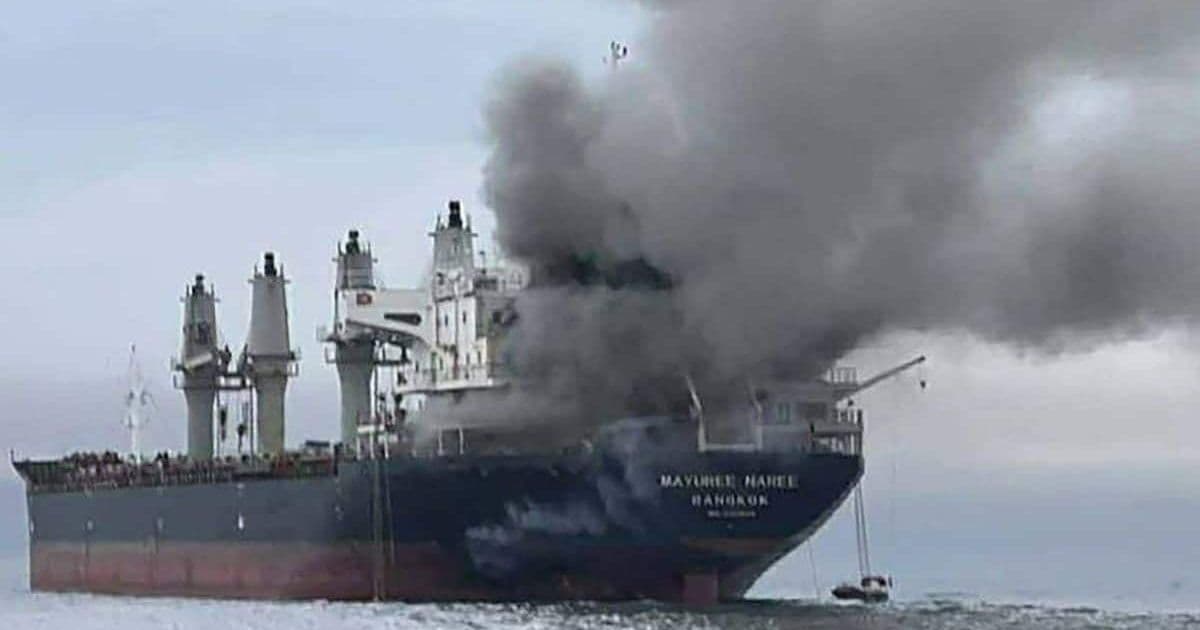
With Iran blocking the critical Strait of Hormuz, experts examine whether alternative pipelines and routes can replace the 20% of global oil that passes through this strategic chokepoint.
The Strait of Hormuz has become the world's most critical maritime chokepoint, with Iran's Supreme Leader Mojtaba Khamenei vowing to keep it blocked as tensions escalate in West Asia. This has sent energy markets into turmoil and forced countries to scramble for alternatives to the waterway that handles 20% of global oil supplies.
Why the Strait of Hormuz matters
Bounded by Iran to the north and Oman and the UAE to the south, this 33-kilometre-wide passage connects Gulf oil producers with global markets. Before the current crisis, approximately 20 million barrels of oil passed through daily, with most destined for Asia—particularly China, India, Japan, and South Korea.
The strait also carries liquefied natural gas, industrial helium from Qatar, fertiliser from Oman and Saudi Arabia, and plastic feedstocks from regional petrochemical plants. Its closure has already caused oil prices to spike, with US gas prices rising 20% and European natural gas surging over 43%.
Existing pipeline alternatives
Several pipelines could partially offset the strait's capacity, though none can fully replace it:
Saudi Arabia's East-West pipeline (Petroline): This 750-mile network connects Abqaiq on the Gulf coast to Yanbu on the Red Sea, with capacity for seven million barrels per day. Built in the 1980s specifically to protect against strategic chokeholds, Saudi Aramco expects it to reach full capacity soon.
UAE's Abu Dhabi Crude Oil Pipeline: Running 248 miles from Habshan to Fujairah, this pipeline handles 1.5 million barrels daily with total capacity near 1.8 million barrels per day.
Iraq's Kirkuk-Ceyhan pipeline: This route from northern Iraq to Turkey's Mediterranean port of Ceyhan has potential capacity of 1.6 million barrels per day, though it primarily serves Iraqi production and faces frequent disruptions from political disputes and security issues.
Iran's Goreh-Jask pipeline: This recently built pipeline could bypass the strait but presents complications. With confirmed capacity of only 300,000 barrels per day and sitting in a country under heavy US sanctions with infrastructure under military attack, it offers limited relief.
Maritime alternatives
For countries like India, alternative shipping routes exist:
- Russian oil can reach India via the Suez Canal or by sailing around Africa's Cape of Good Hope
- Nigerian and Angolan crude can be shipped via the Atlantic around southern Africa
- Harsh Goenka, an Indian industrialist, has proposed unloading oil on the Persian Gulf side, trucking it across Oman, and reloading on the Arabian Sea coast to avoid the strait entirely
The reality check
While these alternatives can soften the impact of disruptions, experts agree they cannot fully compensate for a prolonged strait closure. New pipeline construction would require massive investment and years of development. The Strait of Hormuz remains irreplaceable in the near term, which is why it continues to be one of the most strategically sensitive locations in the global oil system.
The longer threats to shipping persist, the higher both oil prices and shipping costs will climb, creating a compounding economic effect that extends far beyond energy markets to impact global trade, manufacturing, and food production.
Comments
Please log in or register to join the discussion