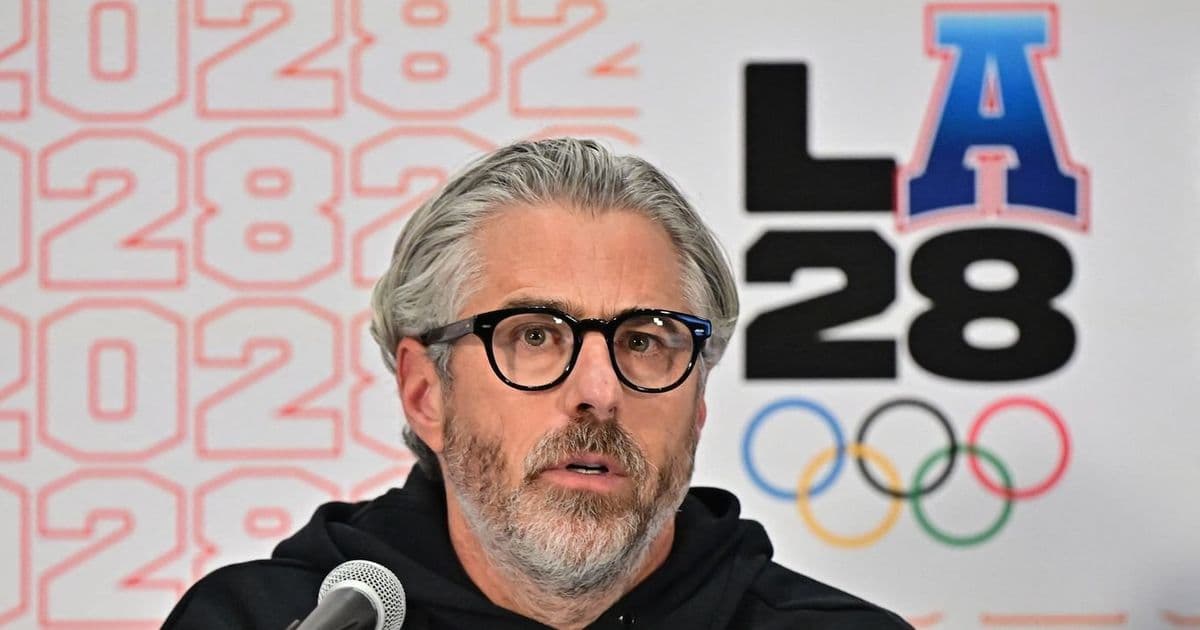
LA28 chairman Casey Wasserman is selling his sports and entertainment agency Wasserman Media Group following revelations about his connections to Jeffrey Epstein, marking a major shift in his business empire.
Casey Wasserman, the prominent sports executive and chairman of the Los Angeles 2028 Olympic and Paralympic Games, is selling his eponymous sports and entertainment agency Wasserman Media Group amid growing scrutiny over his past connections to Jeffrey Epstein.
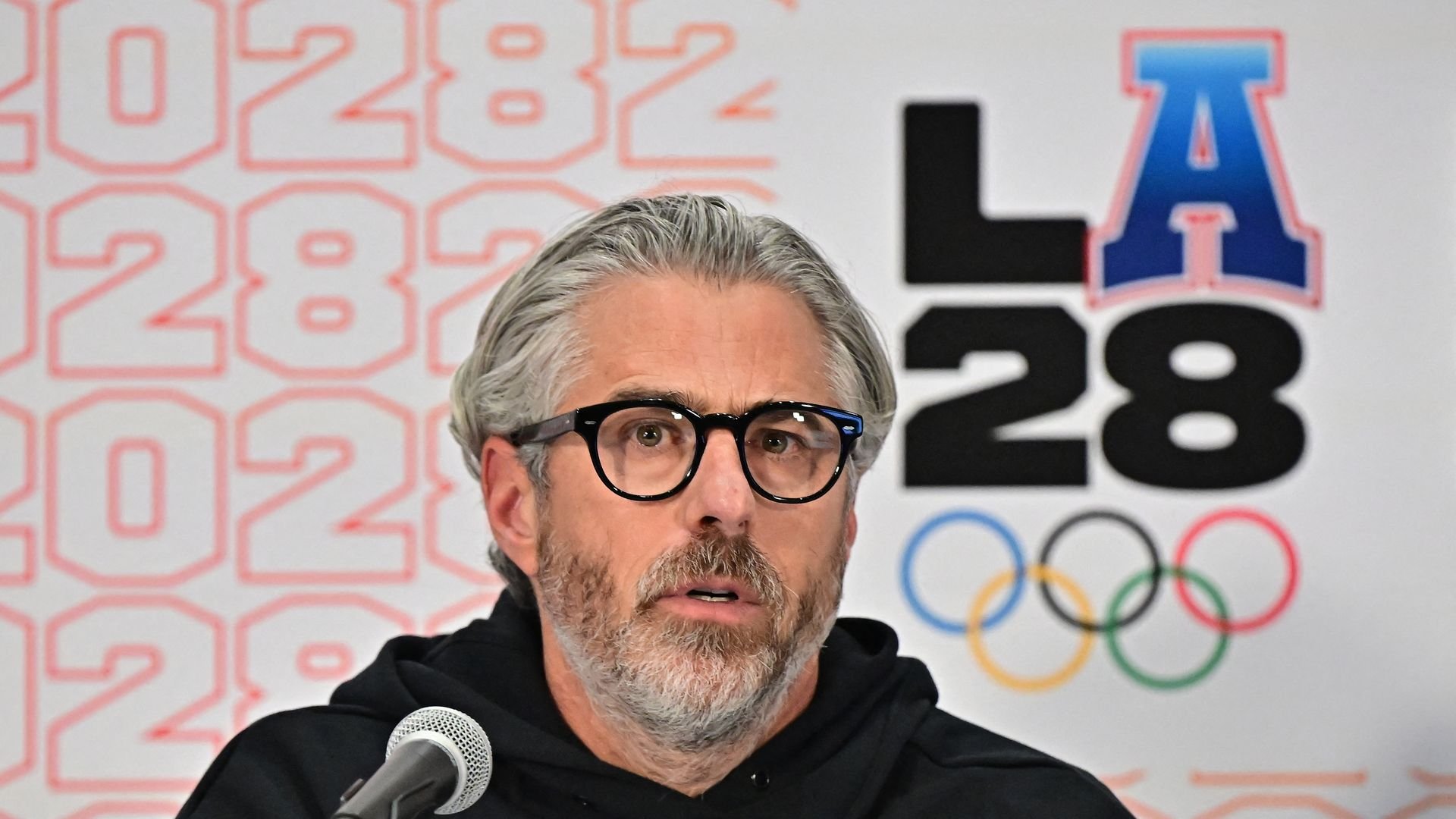
The decision to divest from Wasserman Media Group comes as the agency faces increased public and business pressure following recent disclosures about Wasserman's relationship with the convicted sex offender. The sale represents a significant restructuring of Wasserman's business holdings, which have expanded dramatically over the past two decades to become one of the most influential sports and entertainment conglomerates in the world.
Wasserman Media Group, founded in 2002, has grown from a small sports marketing firm into a global powerhouse representing athletes, teams, leagues, and brands across multiple sectors. The agency's client roster includes some of the biggest names in sports and entertainment, and its strategic acquisitions have positioned it as a dominant force in the industry.
Industry sources indicate that several major private equity firms and strategic buyers have expressed interest in acquiring the agency, which is valued at approximately $1.5-2 billion. The sale process is expected to be completed within the next 60-90 days, according to people familiar with the matter.
The timing of the sale is particularly notable given Wasserman's high-profile role as LA28 chair. The 2028 Los Angeles Olympics represent a massive opportunity for Wasserman to cement his legacy in the sports world, but the Epstein controversy threatens to overshadow these achievements.
Financial analysts note that the sale could provide Wasserman with significant capital to focus exclusively on his Olympic responsibilities and other ventures. The move also allows him to distance his personal brand from the agency that bears his name, potentially mitigating some of the reputational damage from the controversy.
Wasserman's connections to Epstein first came to light through flight logs and other documents that surfaced in recent legal proceedings. While Wasserman has maintained that his interactions with Epstein were limited and professional, the revelations have sparked renewed scrutiny of his business dealings and personal associations.
The sale of Wasserman Media Group marks a dramatic shift for an agency that has been central to the evolution of sports marketing and entertainment representation over the past two decades. Under Wasserman's leadership, the agency pioneered new approaches to athlete representation, brand partnerships, and content creation that have become industry standards.
As the sale process moves forward, industry observers are watching closely to see how the transition will affect the agency's operations and client relationships. The Wasserman brand has been synonymous with innovation and success in sports marketing, and any change in ownership could have ripple effects throughout the industry.
The controversy surrounding Wasserman's Epstein connections has also raised questions about due diligence and reputational risk in the sports and entertainment industries. Several of Wasserman Media Group's high-profile clients and partners have remained publicly supportive, but the situation has prompted some to reassess their relationships with the agency.
For the Los Angeles 2028 Olympic Games, Wasserman's decision to sell the agency may help stabilize his position as chair by removing a potential distraction. The Games face numerous challenges, including budget concerns, venue preparations, and the ongoing impact of the COVID-19 pandemic on international sporting events.
The sale also reflects broader trends in the sports and entertainment agency business, where consolidation and private equity investment have become increasingly common. Several major agencies have changed hands in recent years as investors seek to capitalize on the growing value of sports media rights and athlete endorsements.
As one of the most prominent figures in sports business, Wasserman's decision to sell his agency will likely have lasting implications for the industry. His track record of identifying and capitalizing on emerging trends in sports marketing has influenced an entire generation of executives and entrepreneurs.
The Epstein controversy has already had significant personal and professional consequences for Wasserman, and the sale of his agency represents another major shift in his career trajectory. How he navigates the coming months as both a seller of his business and the leader of one of the world's most high-profile sporting events will be closely watched by industry observers.
For Wasserman Media Group employees and clients, the sale process brings uncertainty but also potential opportunities. New ownership could bring fresh capital and strategic vision, while also raising questions about the agency's future direction and culture.
The transaction is expected to close in the second quarter of 2023, pending regulatory approvals and customary closing conditions. Until then, Wasserman is expected to remain actively involved in the agency's operations while simultaneously managing his Olympic responsibilities.
This development underscores the complex interplay between personal reputation, business success, and public accountability in the modern sports and entertainment industries. As Wasserman moves forward with the sale, the full impact of his Epstein connections on his business empire and personal legacy remains to be seen.
Comments
Please log in or register to join the discussion