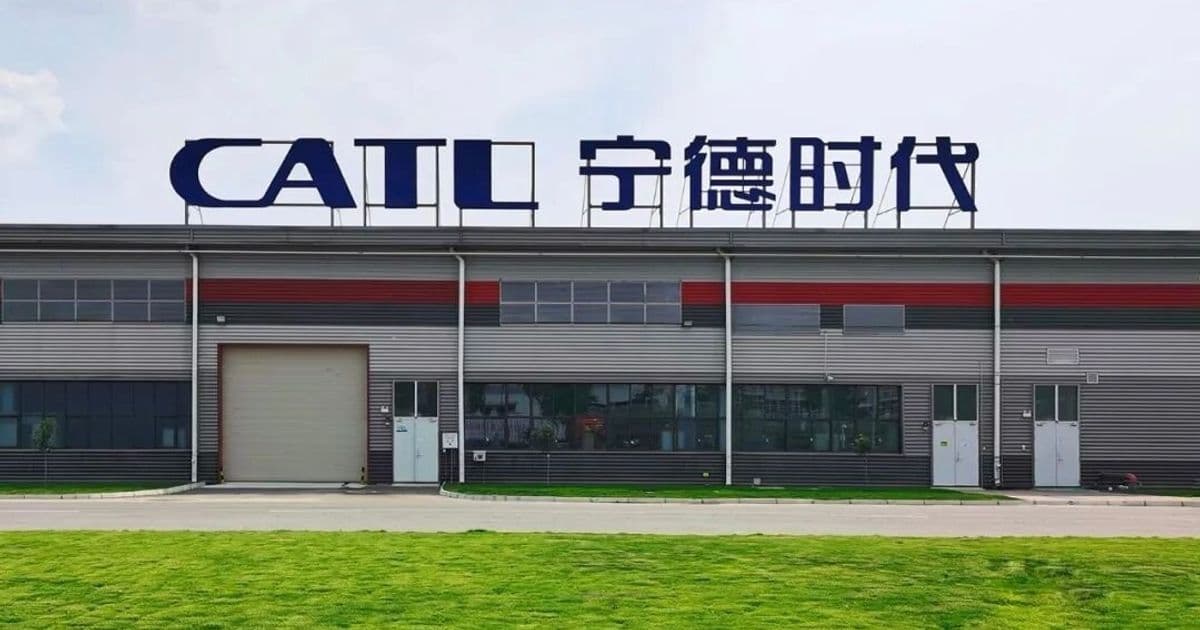
A new strategic agreement between the world's largest battery maker and a major Chinese automaker outlines a five-year roadmap that extends far beyond electric vehicles into battery-swapping infrastructure, flying vehicles, and embodied AI systems.
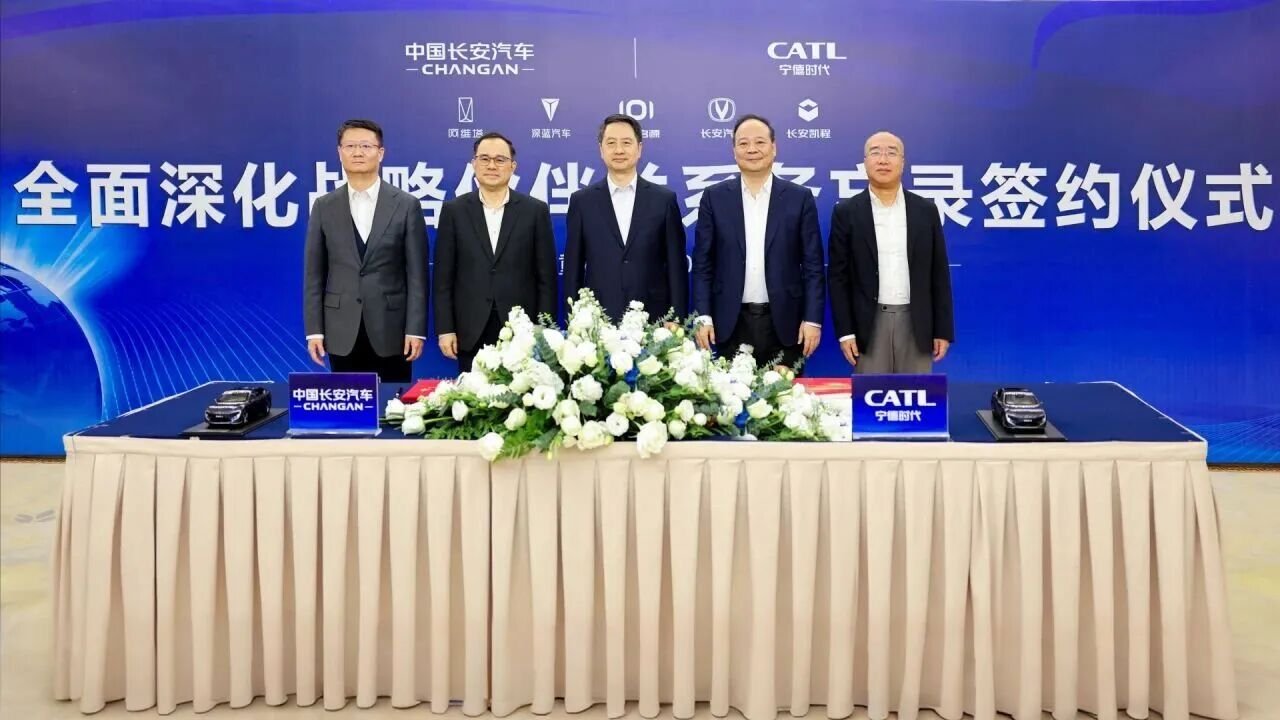
The partnership announced between Contemporary Amperex Technology Co. Limited (CATL) and Changan Automobile represents more than a typical supplier-customer agreement. Signed on January 14, 2026, in Chongqing, this five-year memorandum of comprehensive strategic cooperation aims to explore several frontier technologies that share a common thread: energy storage and intelligent systems.
What's Actually New Here
While CATL and Changan have collaborated previously, this agreement explicitly expands the scope beyond conventional electric vehicle battery supply. The five pillars outlined—technology deployment, market expansion, business model innovation, overseas growth, and joint brand development—signal a move toward integrated ecosystem development rather than component supply.
The specific focus areas mentioned are noteworthy:
Battery Swapping Mobility Solutions: CATL has been developing battery-swapping technology through its subsidiary EVOGO, which offers a modular battery-swapping system. For Changan, this could mean integrating standardized battery modules into future vehicle platforms, potentially reducing upfront vehicle costs and addressing range anxiety through infrastructure rather than larger batteries.
Intelligent Automotive Robots: This likely refers to autonomous driving systems and robotic taxi services. Changan's establishment as a centrally administered large automotive group in 2025 positions it to develop these services at scale.
Flying Vehicles: The mention of flying cars aligns with Changan's stated focus on "next-generation productive forces." This likely involves electric vertical takeoff and landing (eVTOL) aircraft, which require high-density energy storage—a core CATL competency.
Embodied Intelligence: This term typically refers to AI systems that interact with the physical world through robotics or autonomous vehicles. For automotive applications, this could mean advanced driver assistance systems (ADAS) that learn from real-world driving data.
The Technical Context
Battery swapping faces significant technical and economic hurdles. While it offers faster "refueling" than charging, it requires standardized battery packs across vehicle models—a challenge in an industry where battery design is often vehicle-specific. CATL's EVOGO system uses a modular approach with 160 kWh battery blocks that can be combined, but adoption requires buy-in from multiple automakers.
For flying vehicles, energy density remains the primary constraint. Current lithium-ion batteries offer roughly 250-300 Wh/kg, while eVTOL aircraft need batteries with 400-500 Wh/kg for practical range and payload. CATL's recent advancements in sodium-ion and solid-state batteries could address this, but commercial viability for passenger-carrying eVTOLs remains years away.
Embodied AI in automotive contexts involves complex sensor fusion, real-time decision making, and continuous learning. The challenge isn't just algorithm development but creating systems that can safely operate in unpredictable real-world conditions while maintaining explainability and regulatory compliance.
Limitations and Realistic Expectations
Several factors temper the ambitious scope of this agreement:
Regulatory Landscape: Flying vehicles face substantial regulatory hurdles. Aviation authorities worldwide are still developing certification frameworks for eVTOLs, with safety standards far exceeding automotive requirements.
Infrastructure Costs: Battery swapping requires significant capital investment in swap stations and logistics. The business case depends on high vehicle utilization rates, which may be challenging outside dense urban areas.
Technology Readiness: While CATL has demonstrated battery-swapping prototypes and Changan has announced flying vehicle projects, most of these technologies remain in development or limited pilot phases. Five years is a tight timeline for commercial deployment.
Market Dynamics: The Chinese EV market is increasingly competitive, with multiple players developing similar technologies. Differentiation will depend on execution speed and cost efficiency.
Broader Industry Implications
This agreement reflects a broader trend toward vertical integration in the automotive industry. As vehicles become more software-defined and energy-intensive, automakers are forming deeper partnerships with battery manufacturers and technology companies.
For CATL, this represents an opportunity to move beyond being a component supplier to becoming an ecosystem enabler. By partnering with a major automaker on multiple fronts, CATL can test and refine its battery-swapping and next-generation battery technologies in real-world applications.
For Changan, the partnership provides access to CATL's battery expertise and manufacturing scale, which could be crucial as it expands into new mobility segments. The company's recent establishment as a centrally administered group suggests it has significant resources and strategic importance in China's industrial planning.
What to Watch
The success of this partnership will depend on several factors:
Battery Swapping Adoption: Will Changan integrate CATL's battery-swapping technology into its vehicle platforms, and will other automakers follow?
Flying Vehicle Development: What specific eVTOL designs will emerge from this collaboration, and what will be their performance specifications?
Embodied AI Implementation: How will Changan and CATL approach the development of autonomous systems, and what data-sharing frameworks will they establish?
International Expansion: Both companies mention overseas growth as a key focus. How will they navigate different regulatory environments and market conditions?
The five-year timeline suggests this is a long-term strategic bet rather than an immediate product launch. Success will likely be measured in incremental technology demonstrations and pilot programs rather than mass-market deployments within this period.
For industry observers, this agreement provides a window into how major Chinese automotive and battery companies are planning for a future where vehicles are increasingly electric, connected, and autonomous. The scope of this partnership—spanning ground vehicles, flying vehicles, and intelligent systems—reflects the convergence of multiple technology domains that will define next-generation mobility.
Comments
Please log in or register to join the discussion