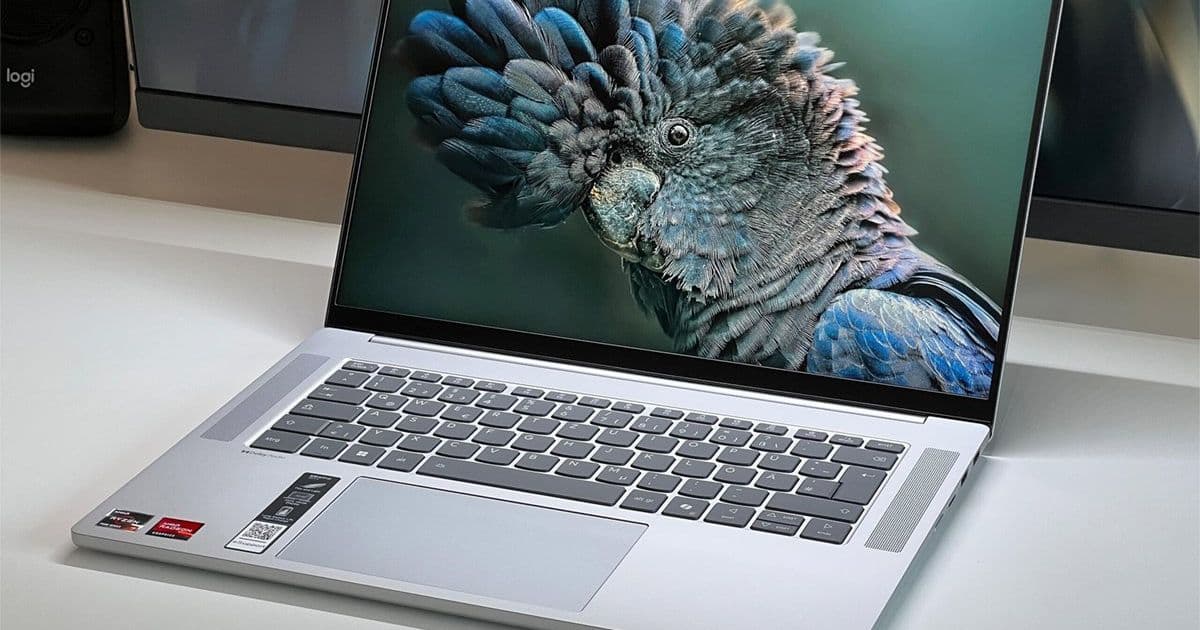
Analyst firm Gartner forecasts that the sub-$500 PC market could die by 2028, driven by surging DRAM and SSD prices that will increase overall PC costs by 17% compared to 2025 levels.
The budget PC market faces an existential threat as Gartner predicts the sub-$500 segment could disappear entirely by 2028, with rising memory costs serving as the primary catalyst for this dramatic shift in the industry landscape.
According to the analyst firm's latest forecast, DRAM and SSD prices are expected to surge sharply by 2026, fundamentally altering the economics of PC manufacturing. The memory component's share of the total bill of materials (BOM) could rise from 16% to approximately 23%, representing a nearly 44% increase in the cost contribution from memory alone.
This price pressure translates to a projected 17% increase in overall PC prices compared to 2025 levels. For the entry-level market, where profit margins already operate on razor-thin margins, this cost increase could render sub-$500 laptops and PCs economically unviable for manufacturers.
Gartner's analysis suggests that PC vendors will be forced to make a critical strategic decision: prioritize profitability over shipment volume. This shift would likely result in fewer units sold but higher margins per device, fundamentally changing how manufacturers approach the budget segment.
The forecast extends beyond immediate pricing concerns to predict longer device lifecycles across the industry. Business PCs could see a 15% increase in lifespan, while consumer systems might stretch by up to 20% by the end of 2026. This extended replacement cycle mirrors discussions already happening in the console gaming industry, where manufacturers are grappling with similar economic pressures.
These longer replacement cycles create ripple effects throughout the technology ecosystem. Software developers will need to optimize their products for aging hardware that remains in active use for extended periods. The push toward AI-capable systems, which Gartner had previously projected to reach 50% market penetration, could be delayed until 2028 as manufacturers and consumers alike adjust to the new economic reality.
However, the forecast isn't entirely deterministic. Several factors could potentially soften the impact on the budget laptop and PC segment. Regional pricing strategies may allow manufacturers to maintain affordability in certain markets while adjusting prices elsewhere. The refurbished market could provide an alternative for cost-conscious consumers, offering older but still functional hardware at accessible price points.
Promotional offers and temporary discounts might also help bridge the gap during the transition period. For instance, current deals like the 1TB WD_Black SN850X SSD available for $233 on Amazon demonstrate how competitive pricing can still exist in specific segments of the storage market.
Despite these potential mitigating factors, the overall trajectory appears clear: if memory prices remain elevated as projected, the sub-$500 Windows laptop and PC category will face significant challenges in the coming years. This shift represents more than just a pricing adjustment—it signals a fundamental restructuring of how affordable computing devices are conceived, manufactured, and marketed.
The implications extend far beyond individual consumers. Educational institutions, small businesses, and developing markets that have traditionally relied on budget-friendly computing solutions may need to explore alternative approaches, potentially accelerating the adoption of cloud-based solutions or shared computing resources.
As the industry approaches this potential inflection point, manufacturers, retailers, and consumers alike will need to adapt to a computing landscape where entry-level pricing may become a relic of the past, replaced by a market segmented primarily by mid-range and premium offerings.
Comments
Please log in or register to join the discussion