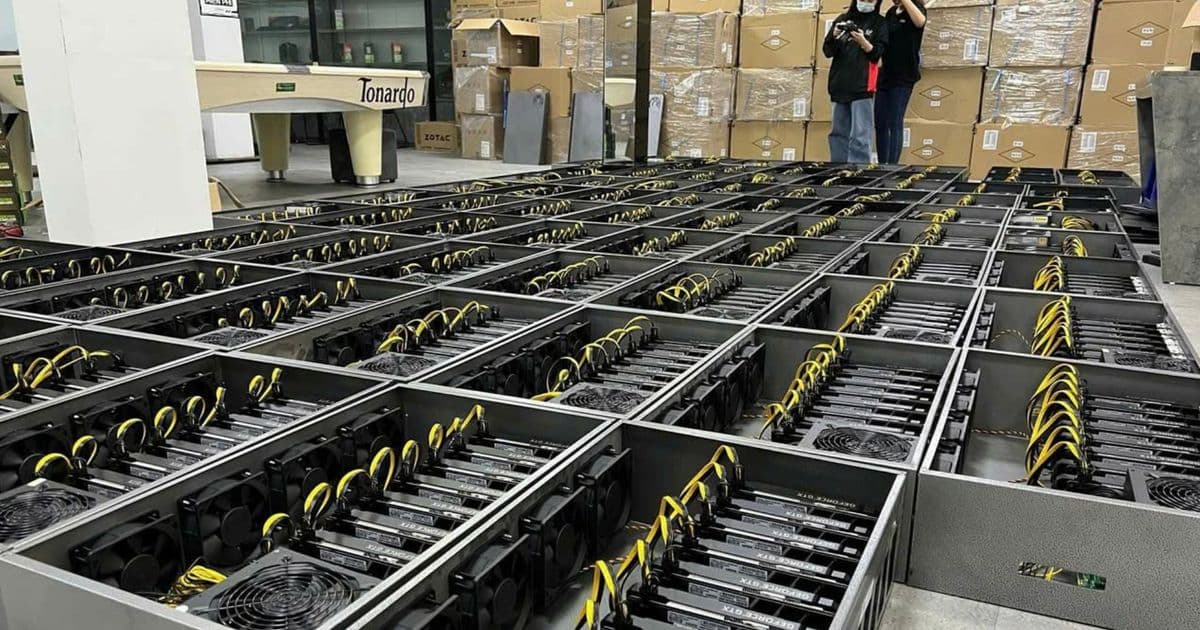
Pearl (PRL) uses matrix‑multiplication as Proof‑of‑Useful‑Work, prompting a brief rush of RTX 4090/5090 miners on cloud platforms. As difficulty climbed, daily revenue for an RTX 5090 fell from $33.80 to $17.19, and the coin’s thin liquidity and scheduled reward cuts suggest the boom may be short‑lived.
Pearl’s AI‑compute consensus sparks a GPU mining rush
The new cryptocurrency Pearl (ticker PRL) launched its mainnet in late April 2026 and immediately attracted attention for its Proof‑of‑Useful‑Work model. Instead of a traditional hash function, the network secures blocks by performing large‑scale matrix multiplications – the same operation that underpins AI model training and inference. The claim is simple: miners are paid for doing work that could, in theory, be useful to an AI workload.
Technical specifications
| Parameter | Value |
|---|---|
| Consensus | Proof‑of‑Useful‑Work (matrix multiplication) |
| Target hardware | Nvidia RTX 4090, RTX 5090, Nvidia H100/H200 (datacenter) |
| Block time | ~30 seconds |
| Initial block reward | 150 PRL |
| Reward schedule | Linear decline over 4 years |
| Mainnet launch | 28 April 2026 |
| Primary pool | pearlpool.io (optimised for H100/H200) |
The protocol extracts a proof from a genuine inference request when a partner such as Together AI runs an endpoint (e.g., Gemma‑4‑31B‑it‑pearl). In practice, most miners have been running unpaid inference jobs on rented cloud GPUs – essentially generating proofs that never reach an end‑user. The resulting compute is “useful” only if someone pays for the output, a condition Pearl’s own research admits is rarely met in the current rush.
Performance figures
- RTX 5090 – advertised hash‑rate ≈ 1.2 TFLOPs of matrix‑multiply throughput; early‑stage calculators listed a daily revenue of $33.80 at a network difficulty of 1.2 P.
- RTX 4090 – ≈ 0.9 TFLOPs; early revenue estimate $25.10 per day under the same difficulty.
- Nvidia H100 – ≈ 4.5 TFLOPs; pool‑optimised miners report $120‑$130 per day, but these cards are scarce and priced well above $30 k each.
Since the first week of May, the network difficulty has risen from 1.2 P to 2.4 P, a 100 percent increase. The hashrate.no tracker now shows the RTX 5090 earning $17.19 per day – a 49 percent drop from the initial figure. The RTX 4090 has fallen to roughly $12.80 per day.
Market implications
- Profitability curve is steep – The reward schedule guarantees a gradual decline, while difficulty has already doubled in less than a month. Even if the price of PRL were to double, the net earnings per card would still lag behind the cost of cloud GPU rentals, which average $2‑$3 per hour for RTX 5090 instances on platforms like RunPod and Vast.ai.
- Liquidity constraints – PRL trades only on minor exchanges (SafeTrade, MEXC). Order‑book depth is shallow; a single large sell order can move the price by more than 15 percent. This limits the ability of miners to cash out quickly, adding a layer of price risk on top of the falling block reward.
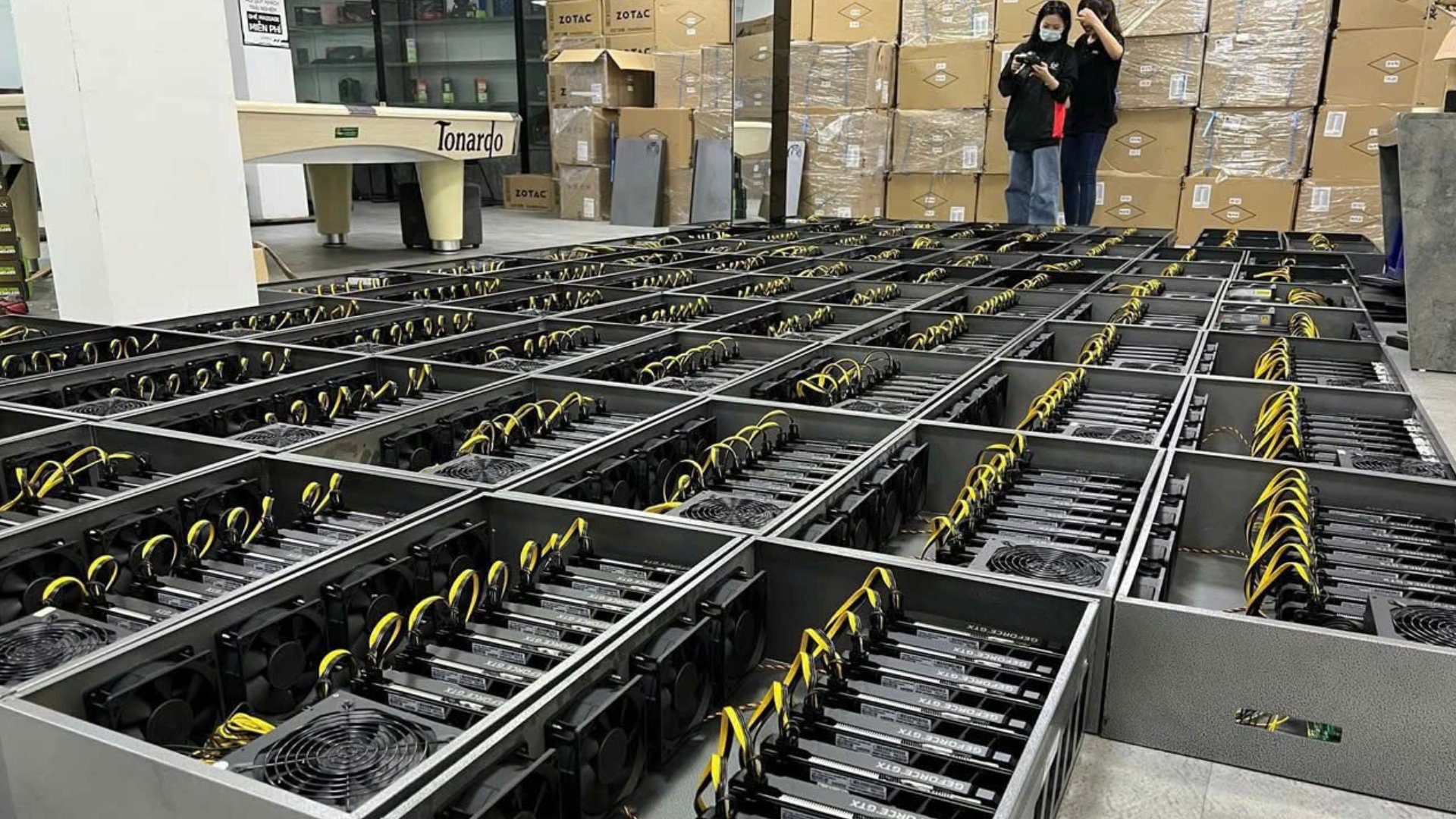
- Supply‑chain impact is muted – Unlike the 2020‑21 GPU shortages driven by consumer mining, Pearl’s demand is centred on cloud‑rented hardware. The protocol is officially tuned for H100/H200 silicon, which remains in datacenter inventory rather than consumer shelves. Consequently, we do not expect a repeat of the consumer‑GPU stock‑out seen with Ethereum’s PoW era.
- Strategic partnerships – Together AI’s discounted inference endpoint (25 % below standard rates) is the only concrete link between Pearl’s useful‑work claim and a paying AI workload. The partnership provides a modest revenue stream for the protocol but does not offset the overall decline in miner payouts.
- Future outlook – Assuming a modest PRL price appreciation of 20 percent per quarter and a continued 5‑10 percent quarterly increase in network difficulty, the break‑even point for an RTX 5090 would shift beyond the typical 6‑month rental window within two quarters. Miners who entered the rush on speculation are likely to pull back, reducing hashrate growth and potentially stabilising payouts, but the underlying economics remain unfavorable for consumer‑grade GPUs.
Bottom line
Pearl demonstrates that “useful work” can be encoded into a blockchain consensus, but the current implementation rewards unpaid AI inference more than real‑world AI services. The rapid rise in difficulty, scheduled reward decay, and thin market liquidity combine to erode profitability at a pace comparable to earlier GPU‑mining booms. For now, the rush appears confined to cloud‑rented RTX 4090/5090 instances, and the prospect of a broader consumer‑GPU shortage is low. Miners seeking sustainable returns will need to either secure access to datacenter‑grade H100/H200 cards or wait for a significant shift in Pearl’s pricing model or partnership ecosystem.
Author: Luke James, freelance technology journalist
Comments
Please log in or register to join the discussion