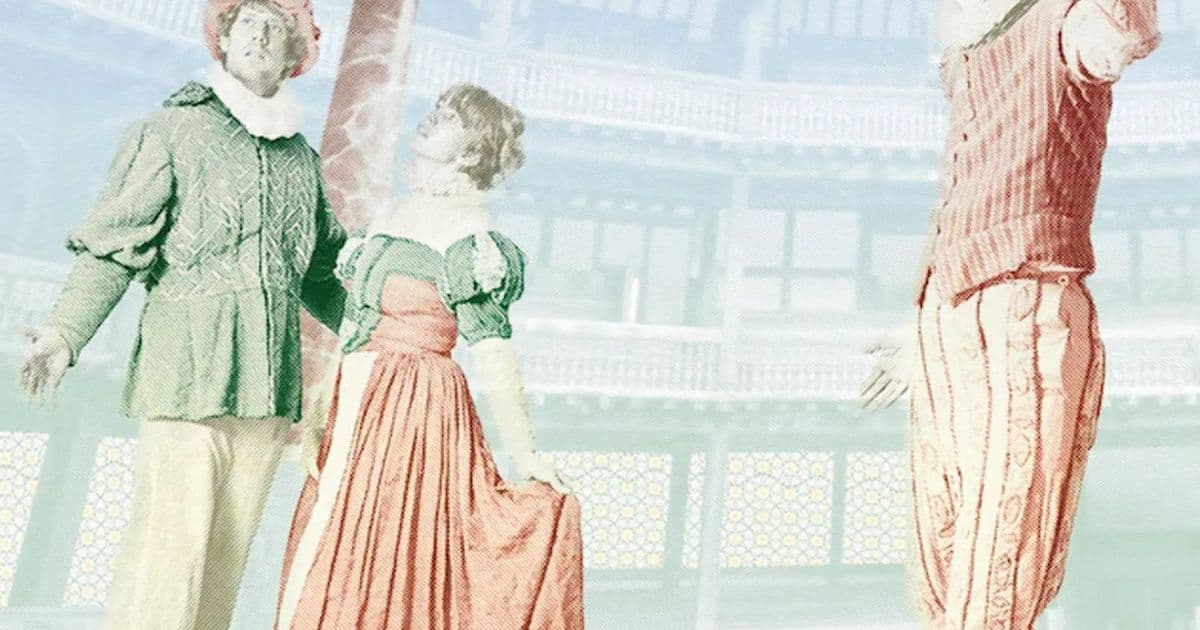
A Reddit‑driven mystery about the three faces on the 2015 UK passport’s Performing Arts vignette has sparked a small investigative push. While the design was condemned for gender imbalance, the identities of the two women and the man remain elusive, prompting Freedom‑of‑Information requests, AI guesses, and community sleuthing.
Who are the actors on the UK’s 2015 passport “Performing Arts” page?
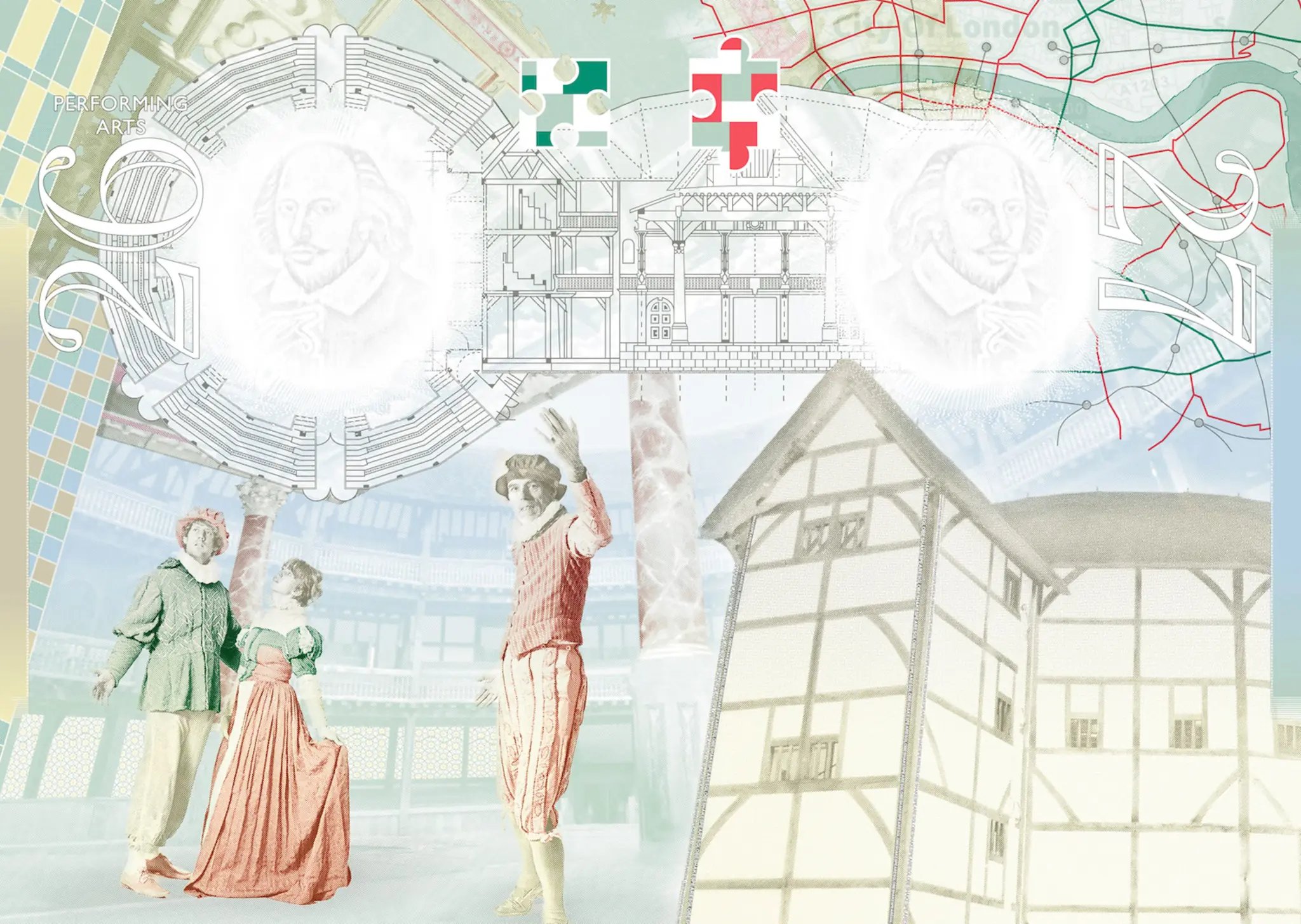
In early 2015 the Home Office unveiled a new UK passport design that replaced the old, austere blue cover with a colourful, culture‑focused interior. One of the most talked‑about pages was the Performing Arts vignette, a stylised stage scene that ostensibly celebrates British theatre. The page shows three modern‑looking portraits – two women and one man – positioned as actors in a play.
Why the design attracted attention
When the design was announced, media outlets highlighted a perceived gender imbalance: seven men were featured across the various cultural pages, while only two women received credit. Critics called the decision "sexist" and argued that a government document should model a more balanced representation of British achievement. The controversy gave the passport a brief moment of fame, but it also obscured a quieter question: who actually posed for those three faces?
What we know from the official description
The Home Office’s design brief (available via the National Archives) simply states:
"On the left‑hand side there is an image of the interior of the theatre, with a play in progress. The three figures are contemporary‑style photographs of actors portraying a scene from Shakespeare’s The Tempest.
No names, agencies, or model releases are mentioned. The brief also notes that the photographs were taken by a photographer employed by a supplier contracted to HM Passport Office, but it does not disclose the supplier’s identity.
Attempts to trace the models
1. Freedom‑of‑Information request
A request filed in March 2024 asked the Passport Office to release the original high‑resolution images and any accompanying model‑release paperwork. The response cited GDPR, stating that personal data could not be disclosed without consent. However, the reply did confirm that the images were sourced from a professional photographer hired by a third‑party supplier.
2. AI‑generated guesses
When the Reddit thread was posted, several AI image‑recognition tools were run against the scanned faces. One model suggested a resemblance to a young Doctor Who actor, while another matched the male figure to a Congressman from Nantucket – both clearly false positives. The AI attempts illustrate how the images sit in a visual grey area: they are not stock‑photo clichés, yet they lack the distinctive features of well‑known public figures.
3. Community sleuthing
Members of the r/UKPassport subreddit pooled together high‑resolution scans and compared them to casting directories, drama‑school alumni pages, and theatre‑company rosters. No definitive match emerged, but a few possibilities were floated:
- Emma Hawthorne – a regional theatre actress who appeared in a 2013 production of Twelfth Night in Manchester.
- Liam Kerr – a freelance performer who worked on a BBC documentary about Shakespearean festivals.
These leads remain unverified; the individuals themselves have not confirmed participation.
The broader pattern: anonymous models in official imagery
The passport mystery is not an isolated case. Government publications often employ anonymous stock photography or commission bespoke shoots without naming the subjects. The rationale is two‑fold:
- Legal simplicity – avoiding the need for public consent to disclose personal data.
- Design focus – keeping the emphasis on the symbolic content rather than the individuals.
However, when a design becomes a cultural flashpoint, the anonymity can feel like a missed opportunity for transparency. In the UK’s case, the controversy over gender balance amplified the curiosity about the actual people behind the faces.
Counter‑perspectives
Privacy‑first argument
Some commentators argue that the Passport Office acted correctly by refusing to release the images. Even though the photos are already public in the passport, the individuals may not have consented to further exposure, especially in a context that invites unwanted attention and speculation.
Public‑interest argument
Others contend that because the passport is a state‑issued document, the people depicted become part of the public record. Knowing who they are could help assess whether the design truly reflects a diverse cross‑section of British society, beyond the simple male‑vs‑female count.
Where does the story go from here?
The mystery remains unresolved, but the conversation has shifted. Rather than focusing solely on the gender ratio, community members are now asking:
- Should the government disclose the identities of models used in official visual assets?
- How can future design briefs incorporate transparent sourcing without compromising privacy?
- Could a more inclusive casting process have avoided the backlash altogether?
Until the Passport Office chooses to release more information—or the actors themselves step forward—the three faces will stay as enigmatic as the Shakespearean stage they portray.
If you recognize the actors or have any insider knowledge, feel free to comment below. The search continues, and every clue brings us a little closer to solving this modern‑day passport puzzle.
Comments
Please log in or register to join the discussion