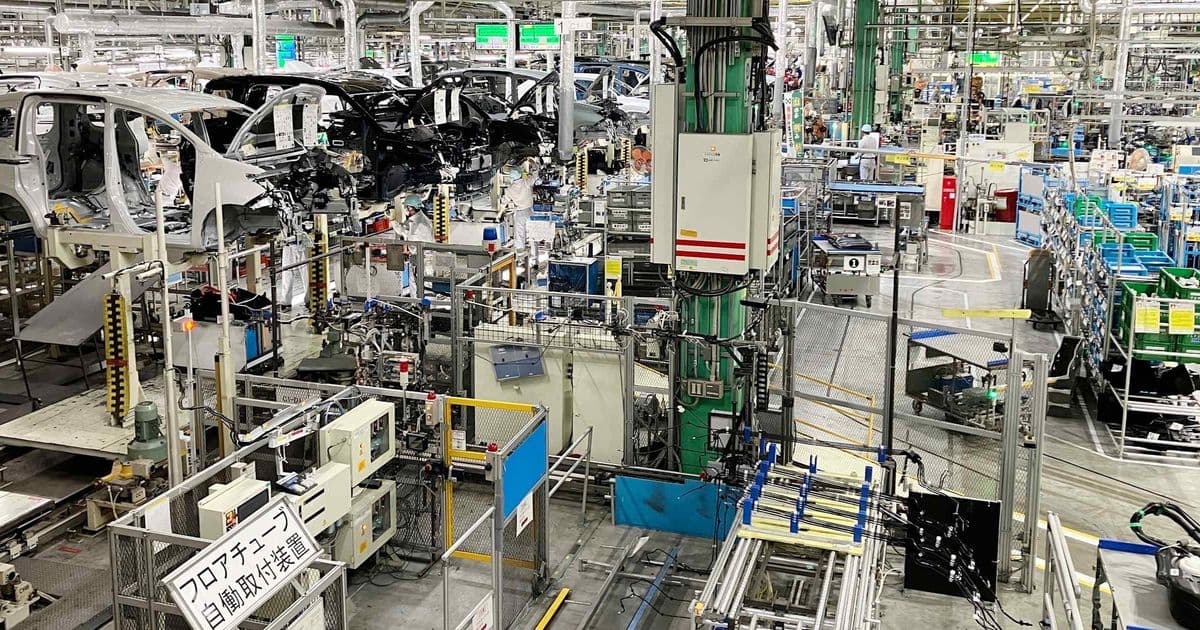
Japan reported a 2.2% month‑on‑month increase in industrial output and a 1.4% rise in retail sales in April, while the unemployment rate fell to 2.5%. The gains came despite a sharp drop in crude oil imports after the Iran‑Israel war, highlighting the resilience of the Japanese manufacturing base and domestic demand.
Business news
Japan’s Ministry of Economy, Trade and Industry (METI) released data on Friday showing that industrial production grew 2.2% month‑on‑month in April, driven mainly by a 4.5% jump in machinery output. Retail sales, measured by the Cabinet Office, rose 1.4% over the same period, marking the second consecutive month of expansion. The unemployment rate slipped to 2.5%, the lowest level since 2022, as the labour force contracted to 123 million people.
Market context
The improvements come against a backdrop of heightened geopolitical risk following the Iran‑Israel war that began in early 2024. Japan’s crude oil imports fell about 50% year‑on‑year, reflecting both reduced demand and the loss of Iranian supply lines. Despite the supply shock, the country’s energy‑intensive sectors—steel, chemicals and shipbuilding—managed to keep output stable, thanks to higher reliance on LNG and strategic petroleum reserves.
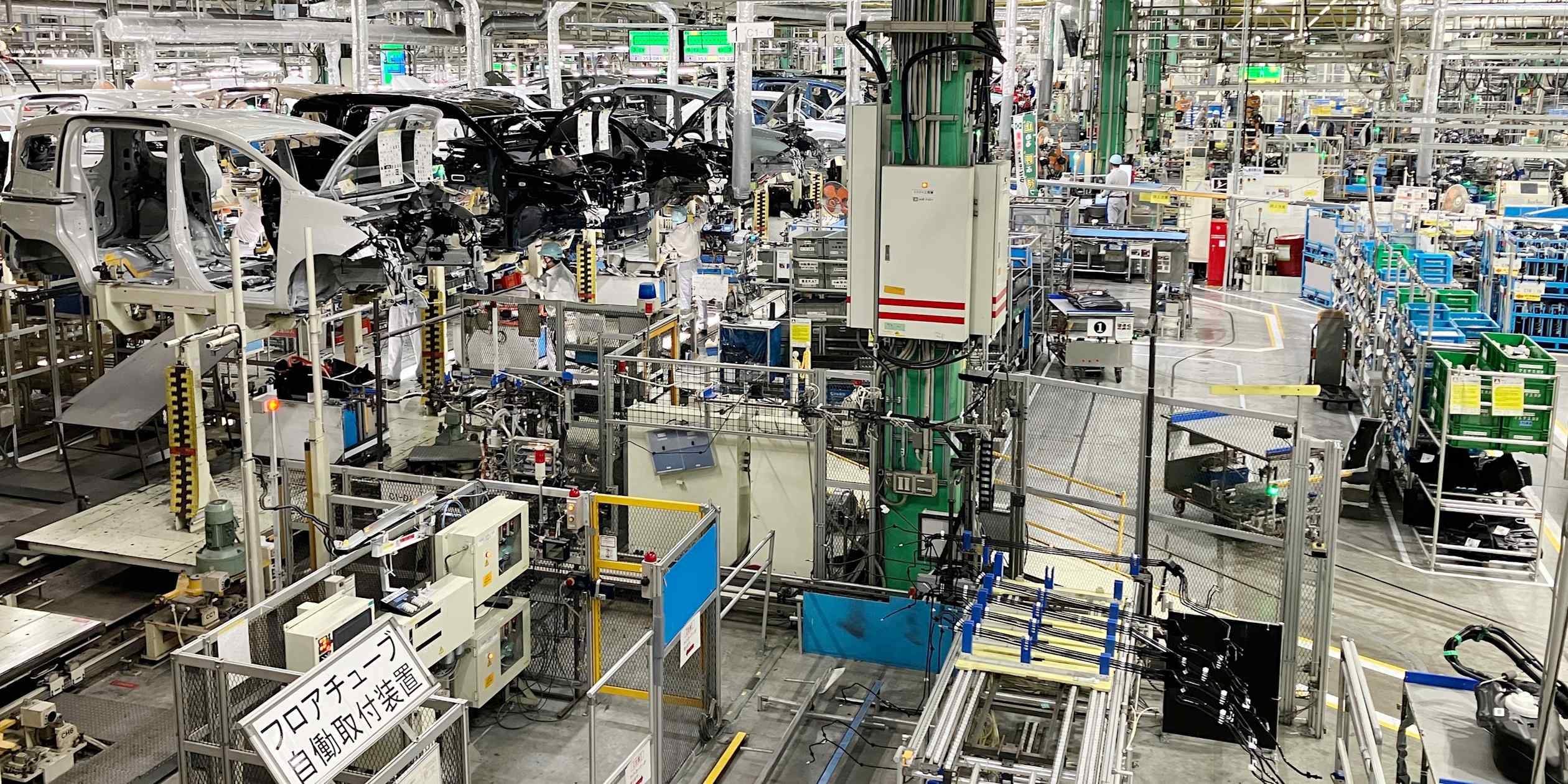
In the manufacturing arena, the machinery segment posted the strongest gain, up 4.5% from March. This reflects renewed orders for automation equipment and precision tools from both domestic SMEs and overseas clients in Southeast Asia, where demand for capital goods remains robust despite the Middle‑East turmoil. By contrast, automobile production was flat, as Japanese car exports to the war‑affected Middle East fell 90% in April, according to customs data.
Retail sales were buoyed by a 10% surge in online transactions, offsetting weaker foot traffic in major department stores. The Ministry’s data show that consumer electronics and home‑appliance categories posted the highest growth, suggesting that households are still allocating discretionary spending toward durable goods, even as energy prices remain volatile.
The labour market also showed signs of tightening. With the unemployment rate at 2.5% and the working‑age population shrinking, job vacancies rose to 1.9 million, a 6% increase from the previous month. This pressure is likely to sustain wage growth, which the Bank of Japan (BoJ) is monitoring closely as it navigates its ultra‑low‑rate policy.
What it means
- Manufacturing resilience – The surge in machinery output indicates that Japan’s high‑value manufacturing sector can absorb external shocks by shifting focus to domestic and regional customers. Companies that have diversified supply chains away from the Middle East are better positioned to maintain production.
- Energy security implications – The sharp drop in Iranian crude imports underscores Japan’s vulnerability to geopolitical supply disruptions. The rapid pivot to LNG and strategic reserves suggests that the government’s energy‑security strategy, outlined after the 2022 Russian‑Ukrainian conflict, is beginning to pay off.
- Consumer confidence – The rise in retail sales, especially online, signals that Japanese households remain confident in their purchasing power despite higher energy costs. Retailers that have accelerated e‑commerce capabilities are likely to capture a larger share of post‑pandemic spending.
- Labour market pressure – A shrinking labour pool combined with low unemployment could push wages higher, tightening profit margins for export‑oriented firms. The BoJ may need to reassess its yield‑curve control measures if wage inflation accelerates.
- Export re‑orientation – With Middle‑East car exports collapsing, Japanese automakers are accelerating their shift toward North American and European markets, where demand for hybrid and electric models remains strong. This re‑allocation may mitigate the short‑term revenue loss but will require adjustments in logistics and compliance.
Overall, Japan’s April data suggest that the economy is navigating the geopolitical headwinds with a mix of industrial flexibility, energy‑supply adjustments, and resilient consumer demand. The next quarter will reveal whether these trends can sustain the annualized 2.1% GDP growth recorded in Q1, or if prolonged Middle‑East instability will begin to erode the modest expansion.
Sources: METI industrial production release (April 2026), Cabinet Office retail sales report (April 2026), Ministry of Finance crude import statistics, Bank of Japan labour market bulletin.
Comments
Please log in or register to join the discussion