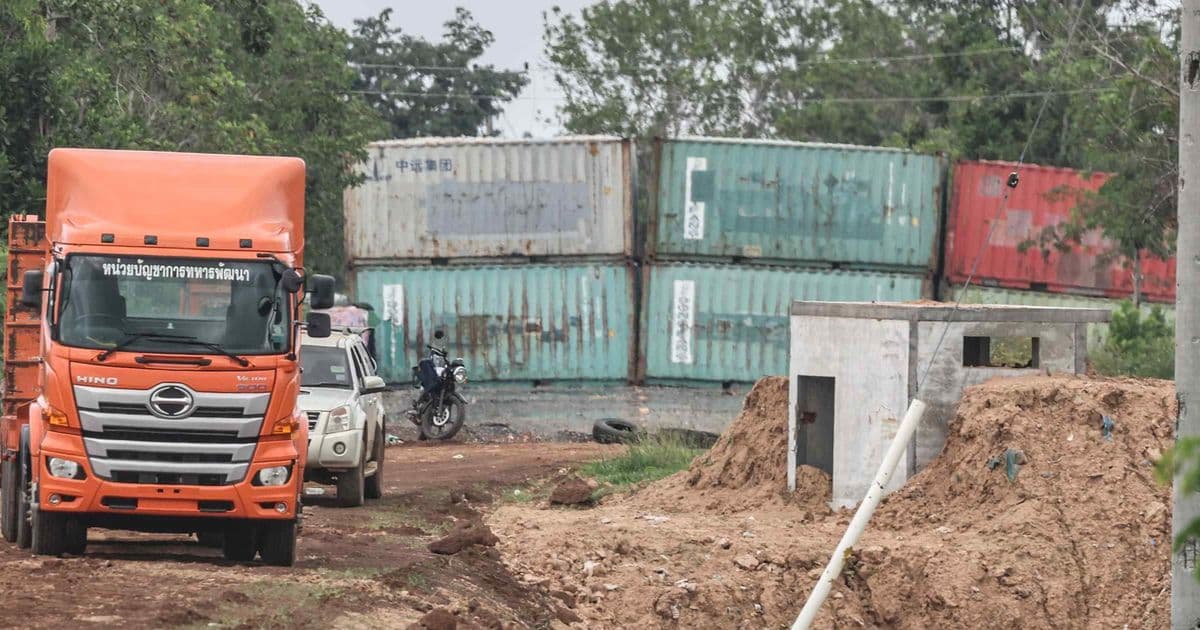
A year after Thailand and Cambodia’s border clash, the Japan‑backed economic corridor remains closed, forcing Japanese car makers to reroute parts and raise unit costs, while prompting a reassessment of supply‑chain risk in Southeast Asia.
Business news
A year after a skirmish between Thai and Cambodian forces near Nong Chan, the corridor that linked Thailand’s eastern factories with Cambodia’s emerging auto parts hubs remains inactive. Japanese manufacturers that rely on the "Thailand Plus One" strategy – shifting a portion of production from Japan to Thailand and then to a secondary ASEAN site – now face an estimated 3‑5 % increase in per‑vehicle cost.
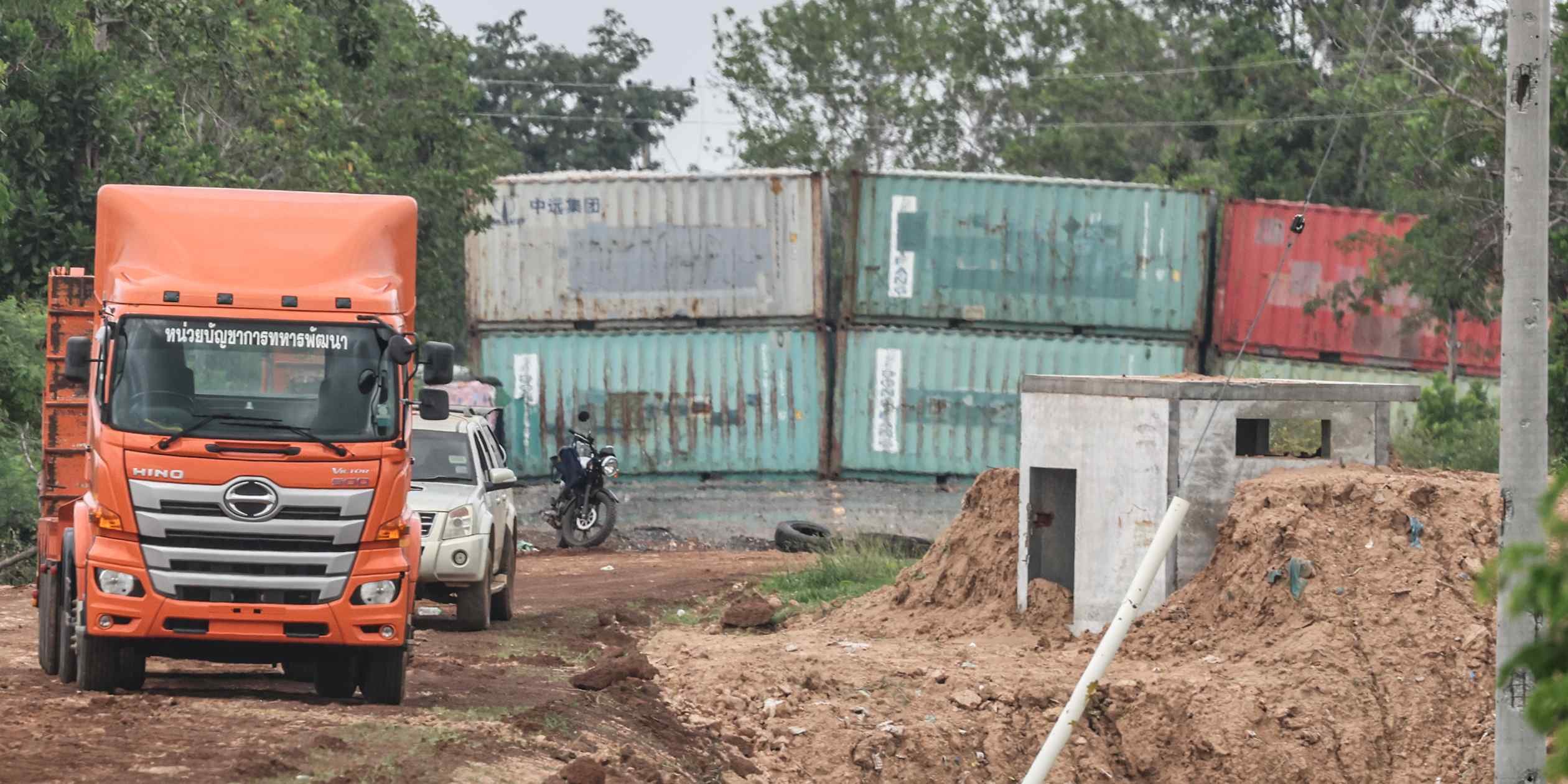
The blockage began in May when the Thai army placed containers on the main border road, effectively halting truck traffic. Although diplomatic talks have resumed, no concrete timetable for reopening the route has been announced.
Market context
Japan’s auto export volume to the United States hit 2.1 million units in 2025, while Southeast Asian output accounted for roughly 18 % of total production. The region’s attractiveness stems from lower labor rates (average $1,100 per month in Thailand versus $3,800 in Japan) and proximity to key markets.
The severed corridor forces firms to either ship components through longer sea routes or shift more production back to Thailand’s inland plants. Both options add logistics expenses:
- Maritime detour: an extra 1,200 km adds about $120 per container in fuel and port fees.
- Domestic rerouting: using Thailand’s central logistics hub in Bang Phli raises handling costs by $45 per pallet.
Major players such as Toyota, Honda and Mitsubishi reported a 0.8‑percentage‑point dip in operating margins for the fiscal year ending March 2026, directly linked to the border disruption.
What it means
- Supply‑chain diversification – Companies are accelerating plans to add a third ASEAN node, most likely in Vietnam or Indonesia, to reduce reliance on a single cross‑border link.
- Capital allocation shift – Toyota announced a ¥150 billion ($970 million) acceleration of its planned plant expansion in Chonburi, aiming to increase local content and offset higher import costs.
- Pricing pressure – Analysts at Nomura project that the added logistics burden could translate into a $250‑$300 price increase for midsize sedans sold in the region, potentially compressing market share against Korean rivals.
- Policy response – The Thai government is negotiating a fast‑track customs clearance protocol for affected Japanese firms, while Cambodia has offered temporary tax incentives for companies that relocate production to Phnom Penh’s Special Economic Zone.
Overall, the border impasse underscores the fragility of regional supply chains that depend on narrow transport corridors. Japanese automakers are likely to recalibrate their "plus one" model, balancing cost advantages against geopolitical risk.
Comments
Please log in or register to join the discussion