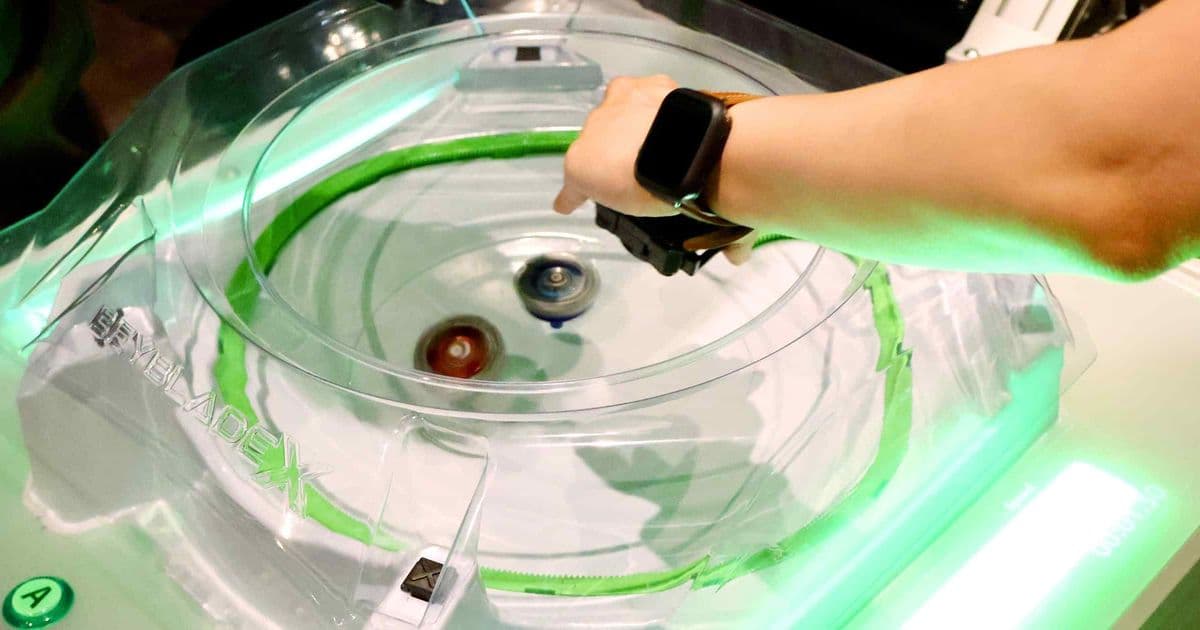
A wave of nostalgia-driven demand for Beyblade spinning tops has revived the Hong Kong toy market, boosting sales for Japanese manufacturers and prompting new retail concepts, while signaling broader opportunities for collectible toys in Asia.
Beyblade Resurgence Fuels Toy Market Growth in Hong Kong
Business news
Hong Kong’s streets, malls and playgrounds have been buzzing with Beyblade battles this summer. The 1999‑originating spinning‑top line, originally launched by Japanese toymaker Tomy and later licensed to Bandai Namco, saw a 42 % year‑over‑year sales jump in the city’s specialty toy segment, according to data from the Hong Kong Retailers Association. Retail outlets reported that Beyblade‑related revenue reached HK$312 million (≈ US$40 million) in the first half of 2026, outpacing the overall toy market’s 8 % growth rate.
The surge is driven by two converging forces: older fans reliving the craze that accompanied the early 2000s anime series, and a new generation attracted by recent media tie‑ins, including the Beyblade Burst YouTube channel, which logged over 15 million cumulative views in the region last quarter. Pop‑up stores backed by Sega and Tomy have opened in high‑traffic districts such as Causeway Bay and Mong Kok, offering limited‑edition parts that command premium prices—some custom chassis sold for HK$1,200 each.
Market context
The Hong Kong toy market, valued at HK$6.5 billion in 2025, has been reshaped by a shift toward collectible, experience‑driven products. Analysts at Morgan Stanley note that the “nostalgia premium” has lifted sales of legacy brands by an average of 27 % across East Asia since 2023. In mainland China, similar trends saw Tomy’s revenue climb to ¥4.2 billion (US$610 million) in 2025, a 15 % increase from the previous year, largely attributed to Beyblade’s performance.
The resurgence also aligns with broader retail strategies. Companies are leveraging limited‑run collaborations—such as the recent Sega‑x‑Beyblade line featuring retro‑inspired graphics—to drive foot traffic and extend dwell time in stores. This mirrors the success of other collectible segments, like Funko Pop!, which recorded a 19 % sales rise in Hong Kong during the same period.
What it means
For Japanese toy manufacturers, the Hong Kong spike validates a pivot toward premium‑priced, limited‑edition releases that cater to both collectors and casual players. The strong performance is likely to encourage further investment in localized pop‑up concepts and community events, such as organized tournaments that generate ancillary revenue from entry fees and sponsorships.
Investors should watch the Beyblade supply chain closely. Tomy’s recent partnership with a Hong Kong‑based logistics firm is expected to cut lead times by 18 %, enabling faster replenishment of high‑demand parts. If the trend sustains, the company could see its global Beyblade segment contribute an additional US$120 million to FY‑2027 earnings, narrowing the gap with its flagship Gundam franchise, which posted US$1.7 billion in sales last year.
Retailers outside Hong Kong are also taking note. Early reports indicate that Singapore and Seoul are piloting Beyblade‑focused pop‑ups, suggesting a regional rollout that could add US$250 million in incremental sales across Southeast Asia by 2028.
In summary, the Beyblade revival in Hong Kong is more than a nostalgic flash; it represents a measurable shift toward collectible, experience‑centric toys that deliver higher margins and open new revenue streams for Japanese manufacturers and local retailers alike.
Comments
Please log in or register to join the discussion