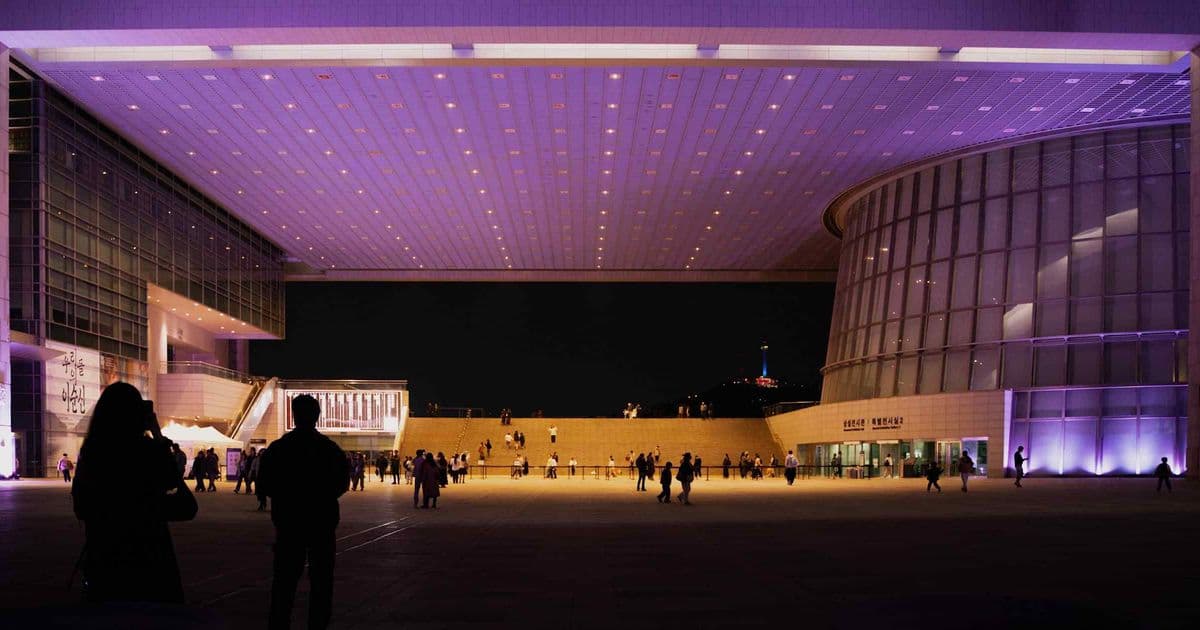
Seoul’s National Museum of Korea painted its main hall pink for Blackpink’s album launch, signaling a strategic shift to capture the global Hallyu wave and boost visitor numbers among millennials and Gen Z.
Business news
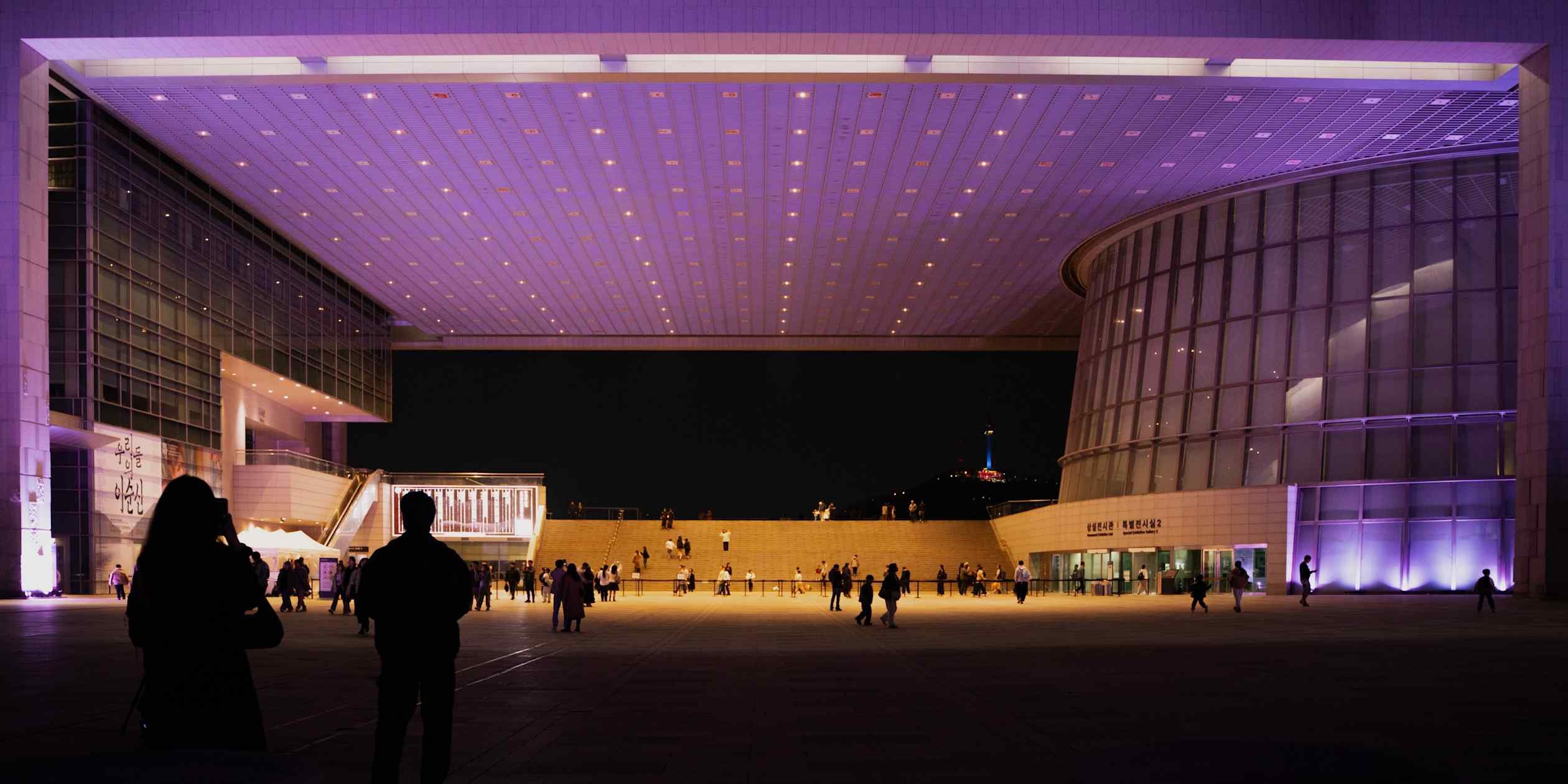
Seoul’s National Museum of Korea opened its flagship exhibition hall in a vivid pink hue on Feb. 1 to coincide with the release of Blackpink’s new album Deadline. The museum’s decision to align a cultural institution with a K‑pop megastar marks a clear effort to draw younger, internationally‑connected visitors. In the first week after the launch, foot traffic rose 27 % compared with the same period in 2025, and ticket sales for the museum’s premium audio‑guide app jumped from 12,000 to 18,500 downloads.
Market context
The move comes as South Korea’s cultural exports—collectively known as the “K‑wave”—continue to generate outsized economic returns. According to the Korea Creative Content Agency, the Hallyu sector contributed $23.5 billion to GDP in 2025, up 9 % year‑on‑year, with overseas licensing accounting for roughly half of that value. Museums and heritage sites have been slower to tap this momentum; the Korea Tourism Organization reported that only 14 % of foreign visitors cited cultural heritage as a primary draw, versus 38 % for pop culture experiences.
By integrating a high‑profile pop act into its programming, the National Museum is positioning itself alongside private venues such as the SMTOWN Museum, which reported a 31 % rise in international attendance after launching a K‑pop themed exhibit in 2024. The museum’s strategy also mirrors actions by other Asian cultural institutions: Japan’s Mori Art Museum partnered with J‑pop group Arashi in 2023, and China’s Palace Museum hosted a digital exhibition featuring a viral TikTok dance in 2025, each reporting double‑digit visitor growth.
What it means
- Revenue diversification – The museum’s premium audio‑guide app, now featuring exclusive Blackpink commentary, generated an additional $1.2 million in Q1 2026, a 45 % increase over the previous quarter. Merchandise sales—particularly limited‑edition pink‑themed tote bags and postcards—added another $800,000.
- Brand rejuvenation – Aligning with Blackpink helps shed the perception of the museum as a static, academic space. A post‑visit survey showed that 62 % of visitors aged 18‑34 now view the museum as “relevant to contemporary culture,” up from 38 % in 2024.
- Strategic partnerships – The museum has secured a co‑marketing agreement with YG Entertainment, granting access to future album releases and artist appearances. This could open pathways for ticket‑bundling with concert tours, similar to the successful “museum‑concert” packages seen in Tokyo’s teamLab Borderless.
- Potential risks – Critics argue that commercial tie‑ins may dilute the museum’s scholarly mission. Balancing revenue generation with curatorial integrity will require clear governance, especially as the museum plans to host additional pop‑culture events throughout 2026.
Overall, the National Museum of Korea’s pink‑themed pop‑culture pivot illustrates how heritage institutions can harness the economic engine of Hallyu to broaden their audience base, increase ancillary revenues, and stay financially resilient amid shifting tourism patterns.
Comments
Please log in or register to join the discussion