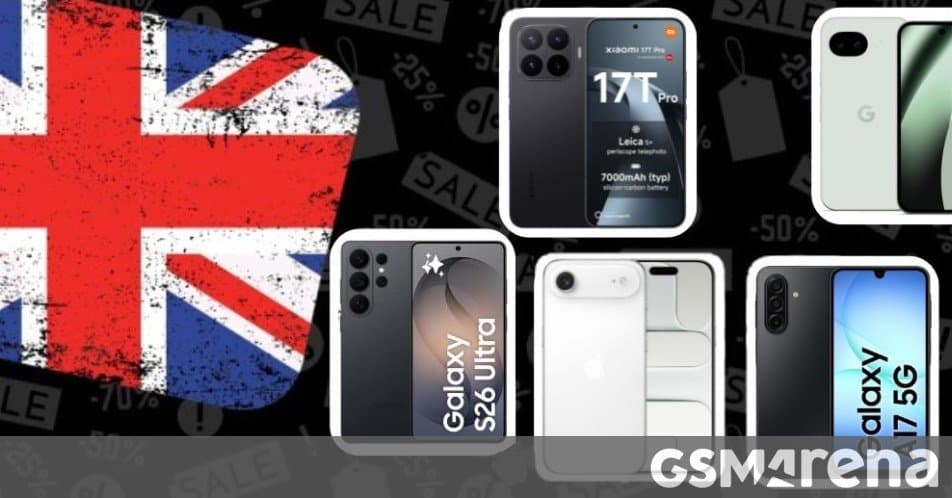
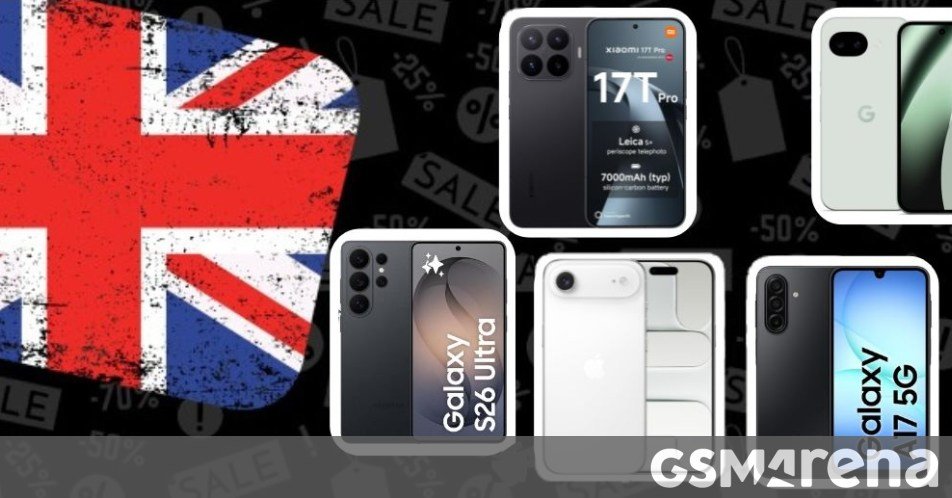
Amazon UK is offering deep discounts on the newly launched Xiaomi 17T and 17T Pro, Samsung’s flagship S26 series, Apple’s iPhone Air, Google Pixel 10 line‑up and the Nothing Phone (3). The article breaks down each device’s key specifications, explains why the savings matter, and looks at how the offers fit into each brand’s broader ecosystem strategy.
Weekly Deals: Xiaomi 17T Duo, Samsung Galaxy S26 Ultra, iPhone Air and More Get Major Price Cuts
What’s on sale
| Brand | Model | Discount | Price after discount (UK) |
|---|---|---|---|
| Xiaomi | 17T | £150 off | £499 (12/256 GB) – £549 (12/512 GB) |
| Xiaomi | 17T Pro | £200 off | £649 (12/512 GB) – £749 (12/1 TB) |
| Samsung | Galaxy S26 | £100 off | £779 (12/256 GB) – £949 (12/512 GB) |
| Samsung | Galaxy S26 Ultra | £100 off | £1 349 (12/512 GB) – £1 599 (16/1 TB) |
| Samsung | Galaxy S25 | up to £160 off | £649 (12/128 GB) – £799 (12/512 GB) |
| Samsung | Galaxy A17 5G | £30 off | £169 (4/128 GB) |
| Apple | iPhone Air | £300 off | £799 (256 GB) – £899 (512 GB) |
| Pixel 10 | £250 off | £549 (128 GB) | |
| Pixel 10 Pro XL | £300 off | £899 (12/256 GB) | |
| Pixel 10a | £50 off | £549 (256 GB) | |
| Nothing | Phone (3) | £220 off | £679 (16/512 GB) |
Xiaomi 17T and 17T Pro – Value‑focused flagships
The 17T arrives with a 6.59‑inch AMOLED panel, a MediaTek Dimensity 8500 Ultra SoC, a triple‑camera array (50 MP main, 13 MP ultra‑wide, 5 MP macro) and a 6 500 mAh battery that supports 67 W wired charging. Its price after the discount puts it under £550 for the 12 GB/512 GB variant, a compelling entry point for users who want a large screen and solid performance without paying premium prices.
The 17T Pro steps up the game with a 6.83‑inch display, the newer Dimensity 9500, a 7 000 mAh battery and 50 W wireless charging. The larger battery and faster wireless charging are rare at this price tier and make the Pro a strong competitor to Samsung’s mid‑range offerings. Both phones run Xiaomi’s MIUI 15 on top of Android 15, meaning they receive regular security patches and feature updates, though Xiaomi’s track record shows major UI changes typically arrive a year after the Android release.
Ecosystem angle – Xiaomi’s growing ecosystem of smart home devices, wearables and the Mi Cloud means owners can sync data, control lights or speakers, and use the Mi Share feature for instant file transfers between phones, laptops and tablets. The discounts could pull more users into that ecosystem, especially in the UK where Xiaomi’s market share has been climbing.
Samsung Galaxy S26 / S26 Ultra – Flagship refinement
The Galaxy S26 keeps Samsung’s classic design language: a 6.2‑inch Dynamic AMOLED 2X screen with 120 Hz refresh, Snapdragon 8 Gen 4 (or Exynos 2400 in some regions) and a triple‑camera stack (50 MP main, 12 MP ultra‑wide, 10 MP telephoto). The S26 Ultra expands the screen to 6.8 inches, adds a 200 MP main sensor, and offers up to 1 TB of storage.
A £100 discount brings the S26 Ultra close to the price of the previous year’s S25 Ultra, making it a sweet spot for buyers who want the latest camera hardware without waiting for a major price drop.
Ecosystem angle – Samsung’s Galaxy ecosystem continues to lock users in through features like Samsung DeX, seamless hand‑off with Windows 11, and the Galaxy Wearables line. The discount may encourage users to upgrade their entire Samsung stack, especially as the company pushes integration with its SmartThings hub and the upcoming Galaxy Tab S9 series.
Apple iPhone Air – The “lite” flagship gets cheaper
Apple’s iPhone Air sits between the standard iPhone 15 and the Pro models. It sports a 6.5‑inch Super Retina LTPO display with a 120 Hz refresh rate, the A19 Pro chip and a single 48 MP rear camera that uses computational photography to deliver Pro‑level results.
With £300 off, the 256 GB version now costs £799, a price that rivals many Android flagships. The device runs iOS 18, meaning users receive five years of major OS updates and regular security patches.
Ecosystem angle – Apple’s lock‑in is strongest here: iCloud, AirDrop, Continuity, and the new Vision Pro integration all rely on owning multiple Apple devices. The price cut could attract users who were on the fence about entering the Apple ecosystem.
Google Pixel 10 Series – Pure Android at a discount
The Pixel 10 (128 GB) now costs £549 after a £250 reduction, while the Pixel 10 Pro XL (12/256 GB) is £899 after a £300 cut. Both run stock Android 15 and receive the fastest OS updates directly from Google – typically within a week of release. The Pixel 10 Pro XL adds a larger 6.9‑inch OLED panel, a 5 000 mAh battery and a more advanced camera system (50 MP main, 48 MP ultra‑wide, 48 MP telephoto).
The Pixel 10a, a budget variant, is also on sale for £549 after a £50 discount. It features Google’s Tensor G4 SoC, a 6.3‑inch display and a 5 100 mAh battery.
Ecosystem angle – Google’s ecosystem is built around services like Google Photos, Assistant, and the upcoming Pixel Tablet integration. The discounts may help Google grow its hardware base, which is essential for the company’s broader AI‑first strategy.
Nothing Phone (3) – Design‑focused Android
Nothing’s Phone (3) now comes with a £220 price cut, bringing the 16 GB/512 GB model to £679. It retains the signature Matrix LED strip on the back, a Snapdragon 8 Gen 4 processor, a 6.67‑inch 120 Hz OLED screen and a 5 150 mAh battery.
The device runs a near‑stock Android experience with a light Nothing UI overlay. While the ecosystem is still modest, Nothing is expanding with earbuds, a TV and a smart home hub, all of which use the same design language and seamless Bluetooth pairing.
Why these discounts matter
- Seasonal price correction – Most of these devices launched within the last two months. Early‑adopter discounts help manufacturers clear inventory before the holiday rush.
- Ecosystem acquisition – Lower entry prices make it easier for consumers to join a brand’s ecosystem, whether it’s Xiaomi’s Mi Cloud, Samsung’s SmartThings, Apple’s Continuity or Google’s services.
- Competitive pressure – With multiple brands offering flagship‑level specs at sub‑£800 prices, the mid‑range market is becoming increasingly crowded. Discounts are a way to stay attractive without sacrificing profit margins.
- Consumer confidence – The UK market has shown strong demand for high‑spec devices that still receive regular OS updates. By highlighting update policies (e.g., iOS 18’s five‑year support, Android 15’s security patches), the article helps readers weigh long‑term value.
Bottom line
If you’re looking to upgrade this month, the Xiaomi 17T Pro and Samsung Galaxy S26 Ultra offer the most hardware for the money, while the iPhone Air provides a premium iOS experience at a price that rivals Android flagships. Google’s Pixel 10 series is the best bet for those who want the fastest Android updates, and the Nothing Phone (3) remains the most distinctive design‑focused option.
Take advantage of the checkout discounts on Amazon UK before the deals expire, and consider how each device fits into the larger ecosystem you already use – that will determine whether the savings translate into a longer‑term, smoother experience.
Comments
Please log in or register to join the discussion