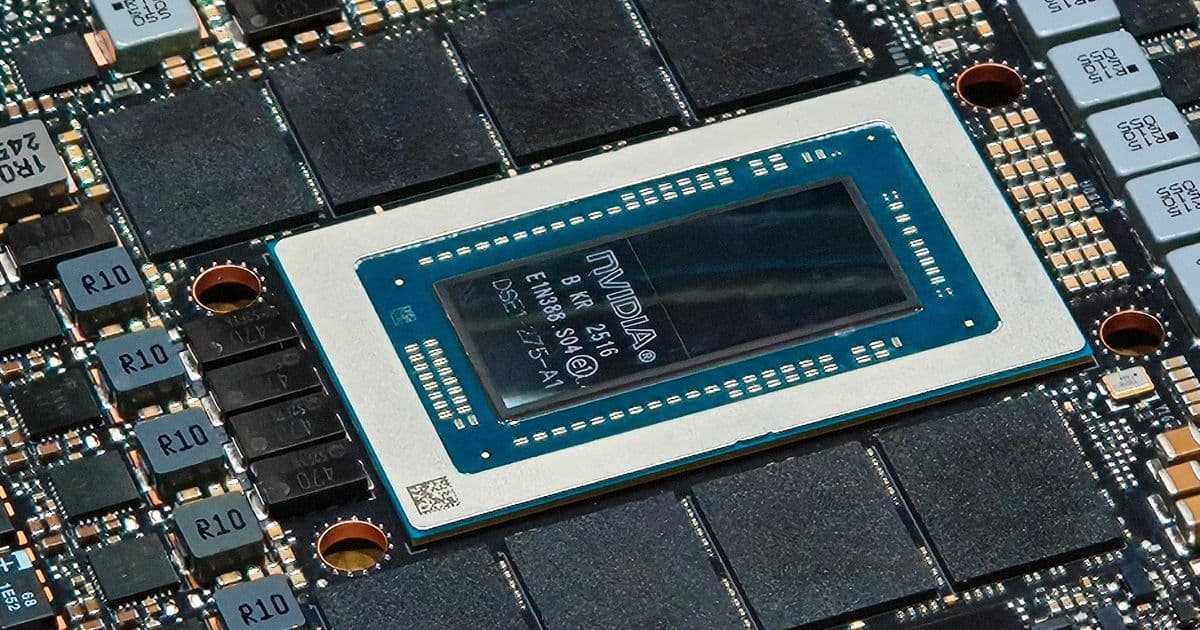
Leaked Nvidia documents detail four upcoming Arm‑based SoCs – the high‑performance N1X line and the power‑efficient N1 family – outlining core counts, Blackwell‑2.0 GPU configurations, memory bandwidth, and power envelopes that could reshape Windows‑on‑Arm laptops.
Nvidia’s N1X and N1 Arm CPUs Leak Ahead of Official Reveal
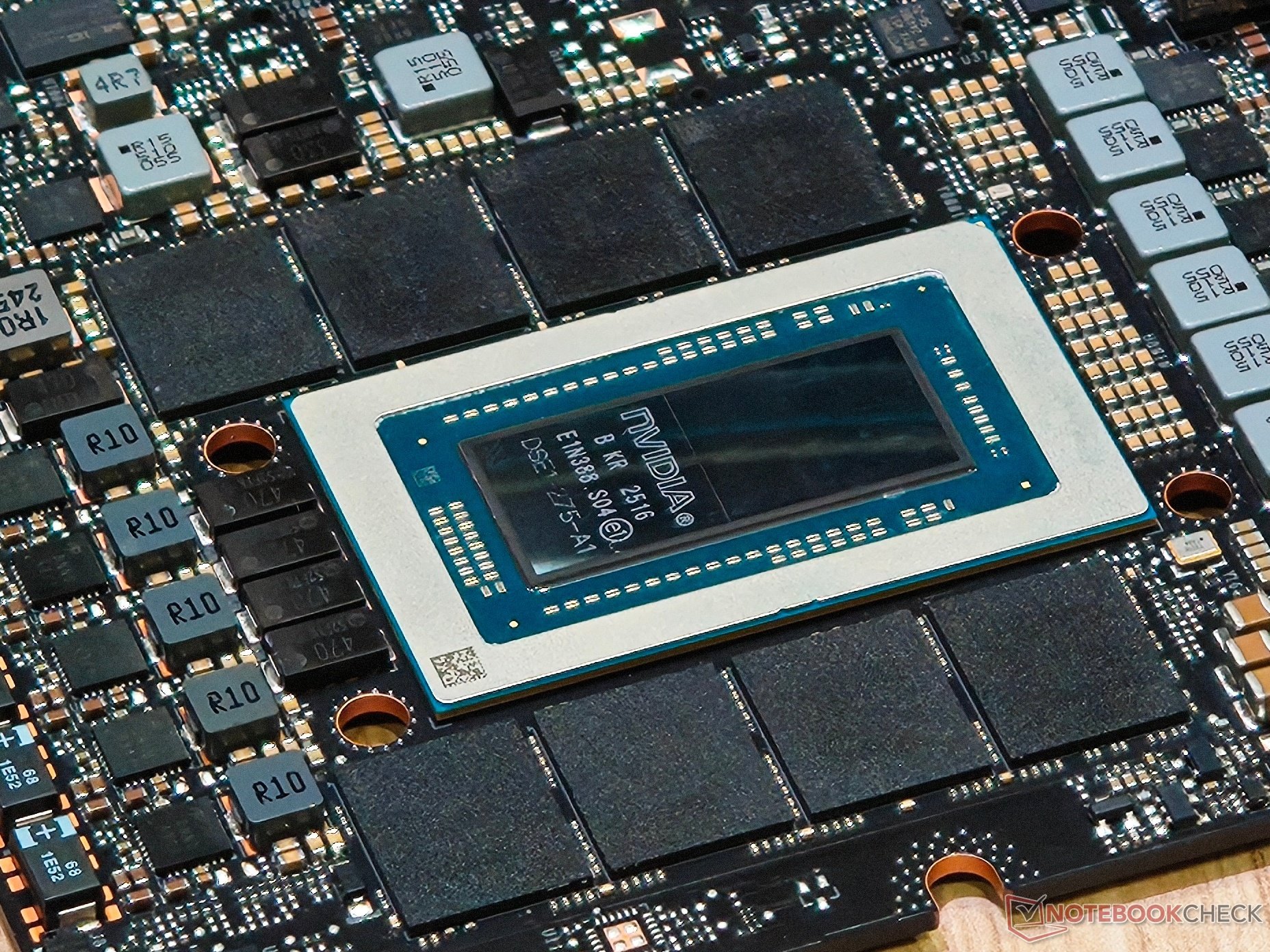
A set of internal slides posted by VideoCardz has exposed the first concrete specifications for Nvidia’s upcoming N1‑series Arm processors. The leak arrives just a day before the company is expected to lift the embargo on its new Windows‑on‑Arm platform, giving us a rare glimpse at how Nvidia plans to combine Blackwell graphics with high‑end Cortex cores.
What’s new?
- Four SKUs are listed: two “N1X” flagship models and two “N1” mainstream variants.
- CPU architecture: All chips pair Nvidia‑customized Cortex‑X925 performance cores with Cortex‑A725 efficiency cores.
- GPU: Blackwell 2.0, the same family that powers the RTX 6000 Ada‑generation GPUs, is integrated directly on the die.
- Power envelope: N1X targets 45 W‑80 W (CPU + GPU combined), while N1 sits in the 18 W‑45 W range.
- Memory & storage: N1X supports up to 128 GB LPDDR5X via a 16‑channel controller; N1 caps at 64 GB on an 8‑channel bus. The high‑end models can host three M.2 SSDs, the lower‑end two.
How the N1X line stacks up
| Model | CPU cores (P + E) | GPU SMs | CUDA cores | TDP (CPU+GPU) | Max RAM |
|---|---|---|---|---|---|
| N1X‑20 | 10 × X925 + 10 × A725 | 48 | 6,144 | 45‑80 W | 128 GB LPDDR5X |
| N1X‑18 | 9 × X925 + 9 × A725 | 40 | 5,120 | 45‑80 W | 128 GB LPDDR5X |
The top‑tier N1X‑20 mirrors the core layout of the GB10 processor that powers Nvidia’s DGX Spark AI workstation. By bundling a full 20‑core CPU with a 48‑SM Blackwell GPU, Nvidia is positioning the chip against AMD’s Ryzen 9 7945HX and Intel’s Core i9‑14900HK, but with a much higher integrated graphics count. In practice, the 6,144‑CUDA‑core GPU should deliver performance comparable to a mid‑range RTX 4060‑Laptop, while staying within a laptop‑friendly power budget.
The mainstream N1 family
| Model | CPU cores (P + E) | GPU SMs | CUDA cores | TDP (CPU+GPU) | Max RAM |
|---|---|---|---|---|---|
| N1‑12 | 8 × X925 + 4 × A725 | 20 | 2,560 | 18‑45 W | 64 GB LPDDR5X |
| N1‑10 | 7 × X925 + 3 × A725 | 16 | 2,048 | 18‑45 W | 64 GB LPDDR5X |
These chips aim at ultrathin convertibles and entry‑level gaming laptops. The 20‑SM GPU in the N1‑12 delivers roughly the rasterization performance of an RTX 3050‑Laptop, while staying under 45 W total – a sweet spot for 13‑inch chassis that struggle to accommodate larger cooling solutions.
How the specs compare to existing options
| Metric | Nvidia N1X‑20 | AMD Ryzen 9 7945HX | Intel Core i9‑14900HK |
|---|---|---|---|
| CPU cores | 20 (10P+10E) | 16 (8P+8E) | 14 (6P+8E) |
| Integrated GPU | Blackwell 2.0 48 SM (6,144 CUDA) | Radeon 780M 12 CU (≈1,536 Shaders) | Iris‑Xe MAX 96 EU (≈3,072 Shaders) |
| TDP envelope | 45‑80 W (CPU+GPU) | 45‑55 W (CPU only) | 45‑55 W (CPU only) |
| Max RAM | 128 GB LPDDR5X | 64 GB DDR5 | 64 GB DDR5 |
The N1X line clearly out‑numbers the competition in raw compute units, but the combined CPU‑GPU power draw means thermal design will be critical. Laptop manufacturers will need to adopt larger vapor‑chamber solutions or adopt aggressive fan curves to keep temperatures below 95 °C under sustained load.
Who will benefit?
- Performance‑focused creators who need a strong GPU for video encoding, 3D viewport rendering, or AI‑assisted workflows but prefer a thin chassis. The N1X‑20’s 6,144‑CUDA‑core engine can handle 4K video transcode at 30 fps without external GPU assistance.
- Gaming‑oriented ultrabooks that want to avoid a discrete RTX card for weight or battery reasons. The N1‑12’s 2,560‑CUDA‑core GPU should push most modern titles at 1080p medium settings, similar to a GTX 1650‑Mobile.
- Enterprise thin‑clients that run Windows on Arm for security and power efficiency. The lower‑power N1‑10 provides enough compute for office suites, web browsing, and light virtualization while staying under 25 W.
What’s still uncertain?
The leak shows a roadmap, but not every SKU is guaranteed to ship. Nvidia may drop the 18‑core N1X variant or consolidate the N1 line into a single configuration to simplify validation. Pricing, availability, and OEM partnership details remain hidden, and the actual silicon could differ from the slide‑deck numbers due to binning or yield considerations.
Bottom line
If the leaked figures hold up, Nvidia’s N1 family will be the most powerful Arm‑based laptop platform on the market, marrying Blackwell graphics with a balanced mix of Cortex‑X925 and Cortex‑A725 cores. The high‑end N1X chips could give AMD and Intel a run for their money in the premium laptop segment, while the more modest N1 models provide a compelling alternative for thin‑and‑light devices that need a decent GPU without the bulk of a discrete card.
Keep an eye on the upcoming launch event – the official specifications, pricing, and OEM line‑up will tell whether Nvidia can translate this ambitious silicon roadmap into real‑world laptops.
Comments
Please log in or register to join the discussion