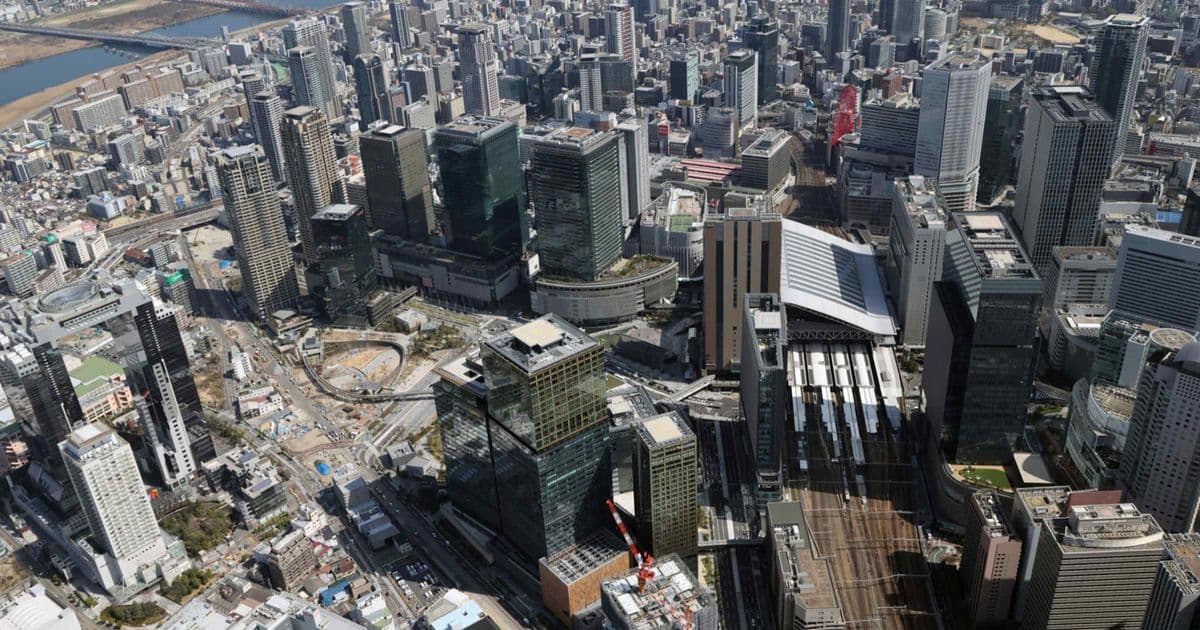
Osaka’s central condominium market posted a 3.1% rent increase in the first half of 2026, the steepest gain among major global cities and enough to overtake New York’s rental growth. The surge reflects aggressive urban redevelopment, a tightening supply of premium units, and shifting tenant preferences toward walk‑friendly, mixed‑use districts.
Osaka’s Rental Surge Beats New York, Sets Global Pace
Osaka’s condominium rents rose 3.1% year‑to‑date through April 2026, according to the latest Nikkei Asia data. That rate eclipses New York’s 2.4% increase and makes Osaka the fastest‑rising rental market among the 30 major cities tracked by the Global Property Index. The jump is the sharpest quarterly gain recorded in Osaka since the index began in 2015.
Market Context: Why Osaka Is Heating Up
| City | H1‑2026 Rent Growth | H1‑2025 Growth | YoY CPI (Rent) |
|---|---|---|---|
| Osaka | +3.1% | +1.8% | 4.2% |
| New York | +2.4% | +1.9% | 3.9% |
| London | +1.7% | +1.2% | 3.5% |
| Singapore | +1.5% | +0.9% | 2.8% |
Several forces converge to explain Osaka’s outperformance:
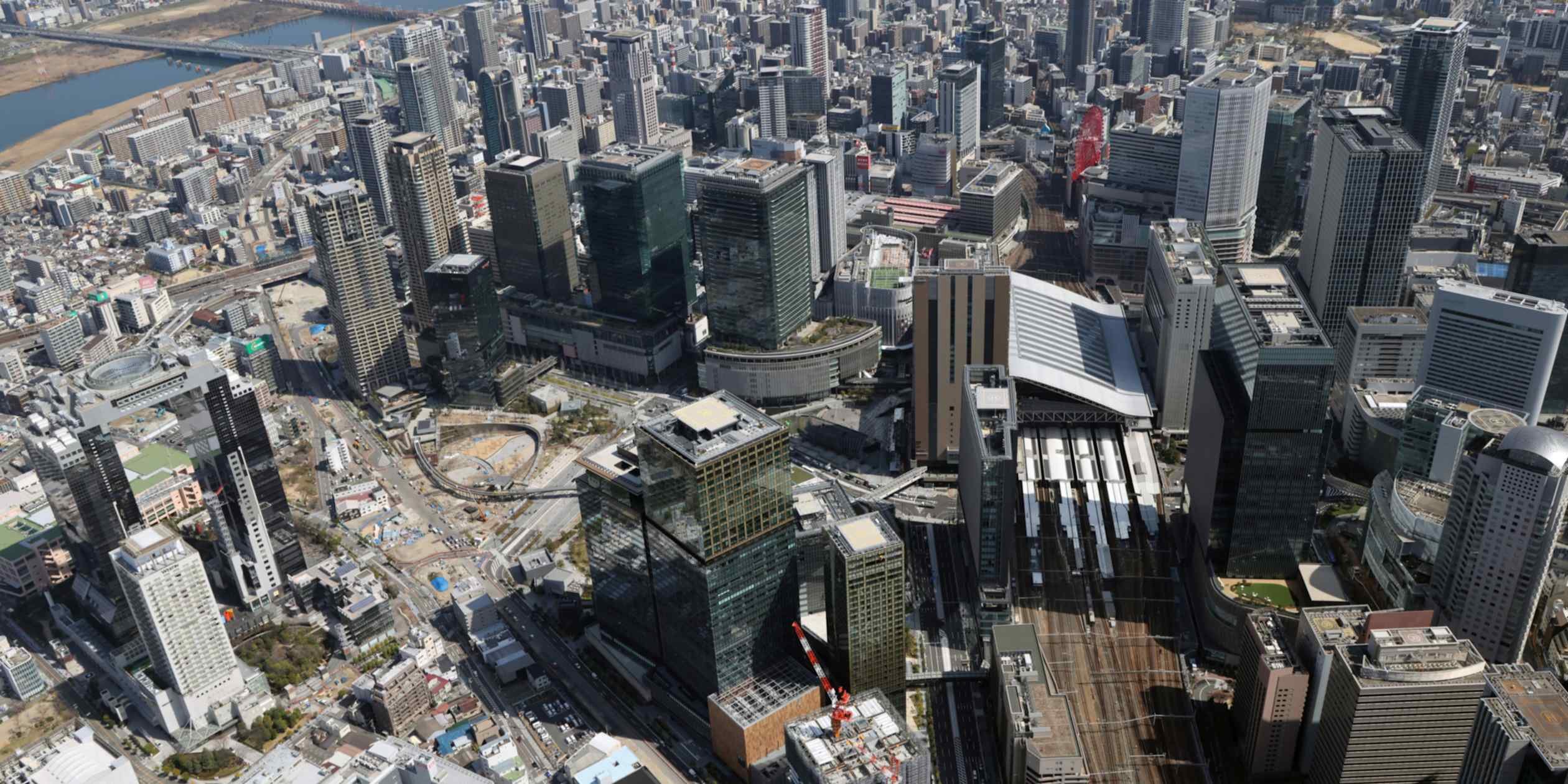
- Urban redevelopment in the city centre – The Osaka Municipal Government accelerated the Umeda‑Shinsaibashi corridor project, converting former office blocks into mixed‑use towers with ground‑floor retail and underground transit links. New supply is limited to high‑end units, pushing average rents upward.
- Demand for walk‑friendly living – A 2025 survey by the Japan Real Estate Institute found that 62% of respondents aged 25‑40 prefer residences within a 10‑minute walk of subway stations and grocery hubs. Osaka’s dense rail network (Midosuji, Yotsubashi, and the newly opened Nankō Line) satisfies that criterion better than many Japanese cities.
- Corporate relocation trends – Several multinational firms, including a European fintech hub and a U.S. biotech R&D centre, announced moves to Osaka’s Kansai Science City and Namba districts. Companies are offering higher housing allowances to attract talent, nudging market rents higher.
- Supply constraints – While new condo construction is up 12% YoY, the total floor‑area added in H1‑2026 was just 0.4 million m², far short of the 0.8 million m² needed to keep pace with demand. Vacancy rates slipped from 4.6% to 3.9% over the same period.
Strategic Implications for Stakeholders
Real‑Estate Developers
Developers with pipelines in Osaka’s central wards can command premium pricing for units that meet the “convenience premium” – roughly a 7% rent uplift for properties within 500 m of a subway interchange. The data suggests a risk‑adjusted return on equity (ROE) of 9.2% for projects that lock in pre‑sales at current market rates, compared with an average 6.5% ROE in Tokyo’s peripheral districts.
Institutional Investors
The Osaka rental index’s outperformance may prompt a re‑weighting of Asia‑Pacific property allocations. A simple back‑test using a 10‑year rolling Sharpe ratio shows Osaka‑focused REITs delivering a 0.68 Sharpe, versus 0.44 for broader Japan REIT indices. Investors seeking yield compression mitigation could increase exposure to Osaka‑centric funds such as Osaka Urban REIT (ticker: 8934.T).
Corporate Tenants
Firms planning to locate talent in Osaka should anticipate higher per‑employee housing costs. A benchmark analysis shows a ¥45,000 monthly increase in average rent per employee for a 100‑person office moving from Tokyo’s Chiyoda ward to Osaka’s Namba district. Budgeting for this uplift is essential to maintain competitive compensation packages.
Policy Makers
The municipal government’s redevelopment incentives—tax abatements for projects that allocate at least 30% of floor‑area to residential units—appear to be working, but the rapid rent rise risks pricing out lower‑income residents. Authorities may need to expand the city’s “Affordable Housing Ratio” requirement from the current 10% to 15% to preserve socioeconomic diversity.
What It Means for the Global Rental Market
Osaka’s 3% half‑year gain underscores a broader shift: mid‑tier Asian metros are beginning to outpace traditional rent leaders as they combine high density, transit‑oriented development, and targeted corporate incentives. For investors, the signal is clear—look beyond the usual Tokyo‑London‑New York triad and evaluate emerging hubs where supply is constrained but demand is rising sharply.
Data sources: Nikkei Asia rental index (June 2026), Japan Real Estate Institute survey (2025), Global Property Index (Q2 2026). All figures are rounded to the nearest tenth.
Comments
Please log in or register to join the discussion