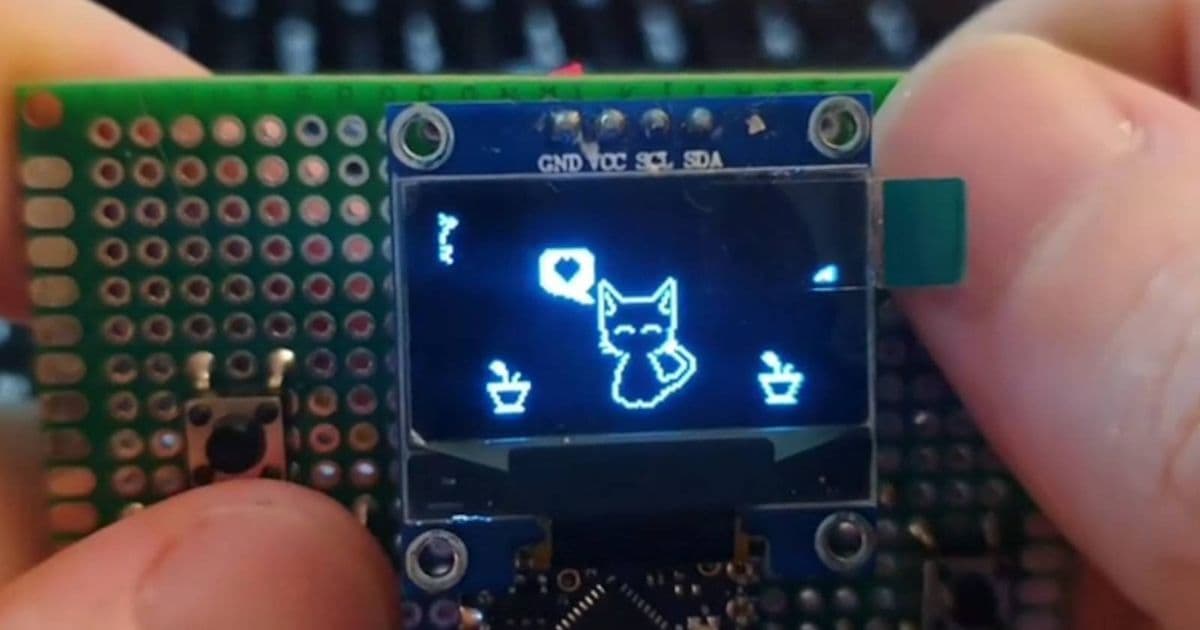
Open-source project Catode32 brings a tamagotchi-style digital cat to life on ESP32 hardware, requiring minimal components and offering an adorable virtual companion.
If you've ever wanted to relive the nostalgic joy of caring for a virtual pet but with modern hardware, the open-source Catode32 project might be exactly what you're looking for. This charming digital cat runs on an ESP32 microcontroller paired with an SSD1306 OLED display, creating a compact tamagotchi-style companion that fits in the palm of your hand.
The Hardware You'll Need
The project keeps things refreshingly simple in terms of hardware requirements. You'll need:
- An ESP32-C6 SuperMini development board
- An SSD1306 OLED display (128x64 resolution, I2C interface)
- Eight push buttons for user input
This minimal setup makes Catode32 accessible to both beginners and experienced makers. The ESP32-C6 SuperMini is particularly well-suited for this project due to its compact size and built-in capabilities.
Software Setup
Getting started with Catode32 is straightforward:
- Install mpremote using
pip install mpremote - Follow the wiring instructions provided in the GitHub repository
- Flash the firmware to your ESP32
- Run the necessary scripts to bring your digital cat to life
The software side is just as approachable as the hardware, making this an excellent weekend project for anyone interested in embedded systems or IoT development.
What Makes Catode32 Special
While still a work in progress, Catode32 already impresses with its attention to detail. The project features:
- High-quality sprites that give the digital cat personality
- Multiple environments for your pet to inhabit
- Various poses and animations that bring the creature to life
- Interactive gameplay that requires regular attention and care
The creator, moonbench, has been actively developing and sharing updates on platforms like Reddit, where the Arduino community has shown considerable enthusiasm for the project.
Why This Matters for the Maker Community
Projects like Catode32 represent the best of the open-source hardware movement. They take familiar concepts (like the classic tamagotchi) and reimagine them with modern, accessible technology. The ESP32 platform has become increasingly popular for DIY electronics projects due to its WiFi capabilities, processing power, and affordability.
This project also serves as an excellent educational tool. It demonstrates practical applications of:
- Microcontroller programming
- Display interfacing
- User input handling
- State management in embedded systems
- Animation and sprite rendering
Getting Started
If you're interested in building your own Catode32, head over to the GitHub repository where you'll find complete instructions, wiring diagrams, and the latest source code. The project is actively maintained, so you can expect regular updates and improvements.
Whether you're looking for a fun weekend project, a way to learn about ESP32 development, or simply want a cute digital companion to keep on your desk, Catode32 offers a perfect blend of nostalgia and modern maker culture. Just remember—this little digital cat will depend on you for its virtual wellbeing, so be prepared for the responsibility of pet ownership, even if it's just pixels on a screen.
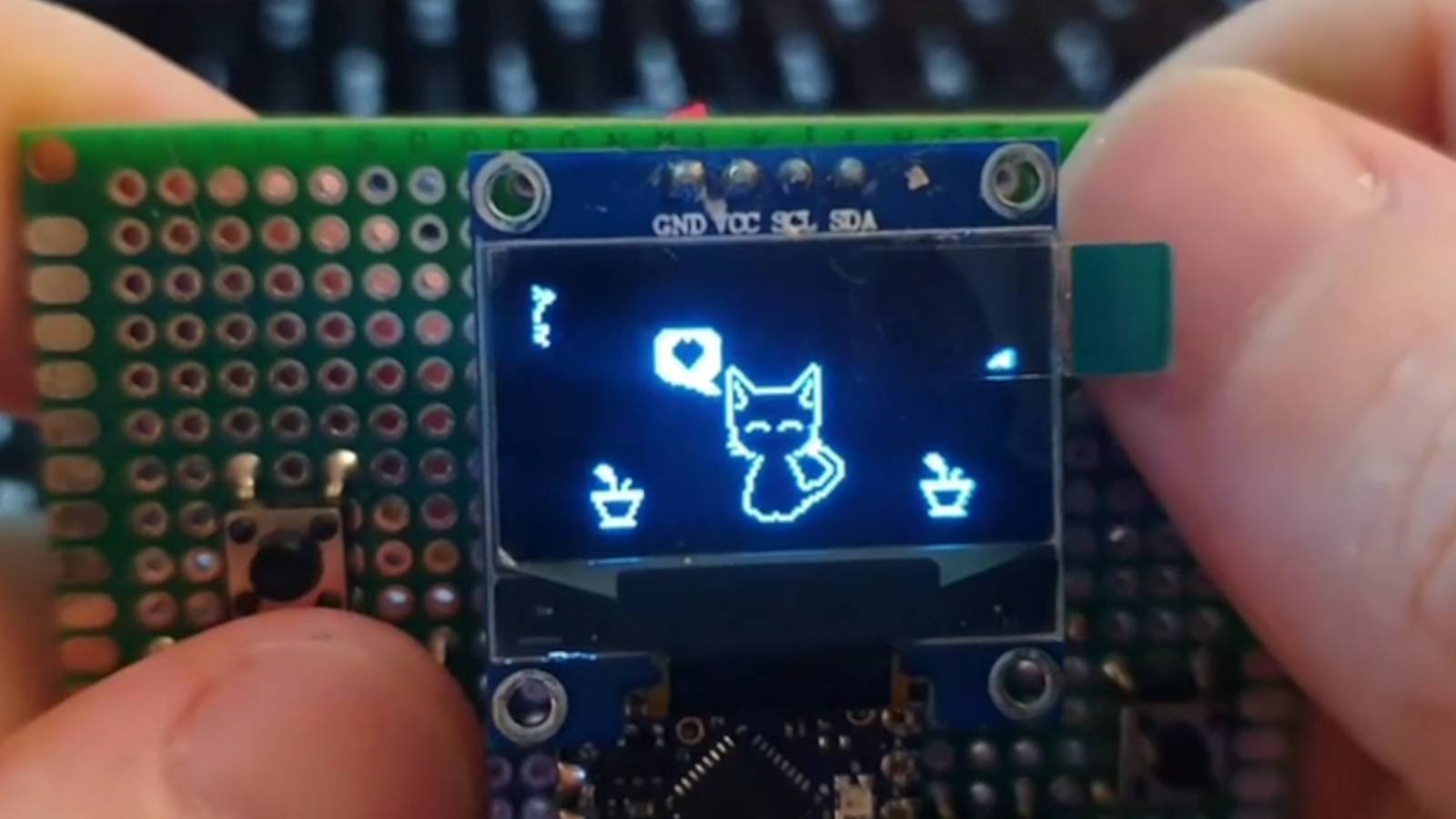
For those who enjoy this type of project, you might also want to check out similar ESP32 desk pets that have been gaining popularity in the maker community. The combination of low-cost hardware and creative software continues to produce delightful projects that bring joy to both creators and users alike.
Comments
Please log in or register to join the discussion