
International Day of Women and Girls in Science highlights the importance of mentorship programs, role model recognition, and early STEM engagement to create lasting diversity in technical fields.
February 11 marks the International Day of Women and Girls in Science, a moment that extends far beyond celebrating historical achievements. This annual observance serves as a critical juncture for organizations to examine how they're shaping the future pipeline of scientists and technologists. The question isn't just about recognizing past contributions—it's about who gets encouraged today, who sees themselves represented in technical spaces, and who feels they belong in scientific careers from an early age.
Organizations wield significant influence in this ecosystem, not merely through their hiring practices but through their presence in classrooms, communities, mentorship networks, and the family conversations that ultimately shape career aspirations. With tools like Microsoft Copilot, creating meaningful initiatives that highlight diversity in IT has become more accessible than ever.
Designing Effective Mentorship Programs
Mentorship stands as one of the most proven methods for supporting and encouraging women in technology careers. However, the most successful programs share a common trait: intentionality about career stage and scope. A recent graduate entering their first technical role faces vastly different challenges than someone preparing for a leadership position. Programs that clarify their target audience from the outset ensure both mentors and mentees derive genuine value from the relationship.
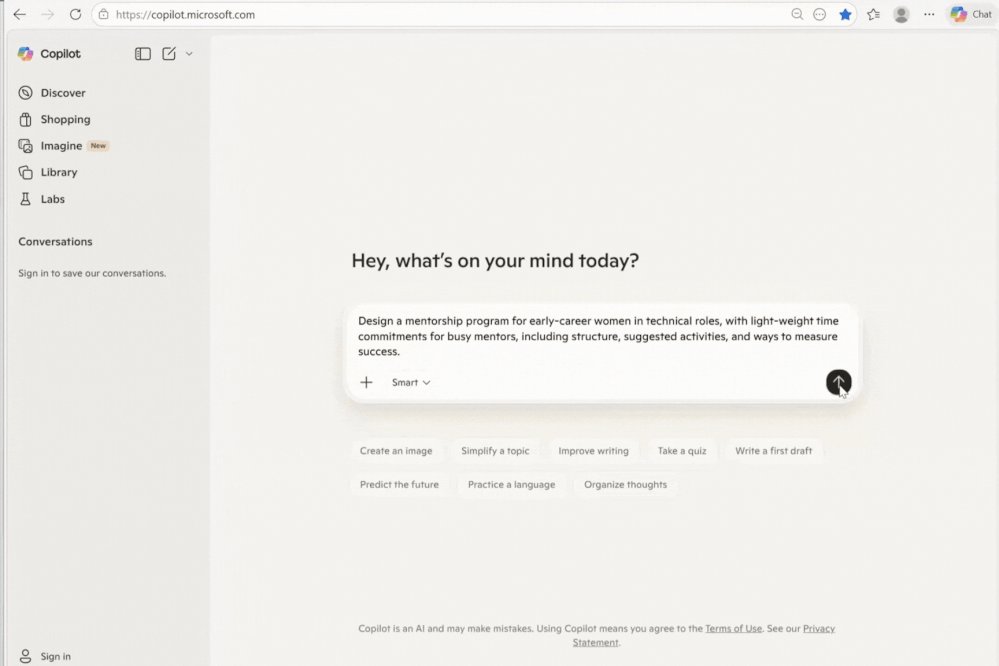
Consider this practical approach using Copilot:
Prompt: "Design a mentorship program for early-career women in technical roles, with light-weight time commitments for busy mentors, including structure, suggested activities, and ways to measure success."
This type of targeted prompt helps organizations create frameworks that respect everyone's time while delivering meaningful support. The key lies in balancing structure with flexibility, ensuring the program remains sustainable while providing enough guidance to be effective.
Spotlighting Real Role Models
While global icons like Ada Lovelace and Grace Hopper rightfully occupy places of honor in computing history, recognition often resonates most powerfully when it's personal and immediate. Organizations can create significant impact by highlighting women whose work has directly influenced their teams or communities.
Potential spotlight candidates include:
- Engineers and technical leads within your organization
- Women working in partner or customer organizations
- Alumni, interns, or educators connected to your community
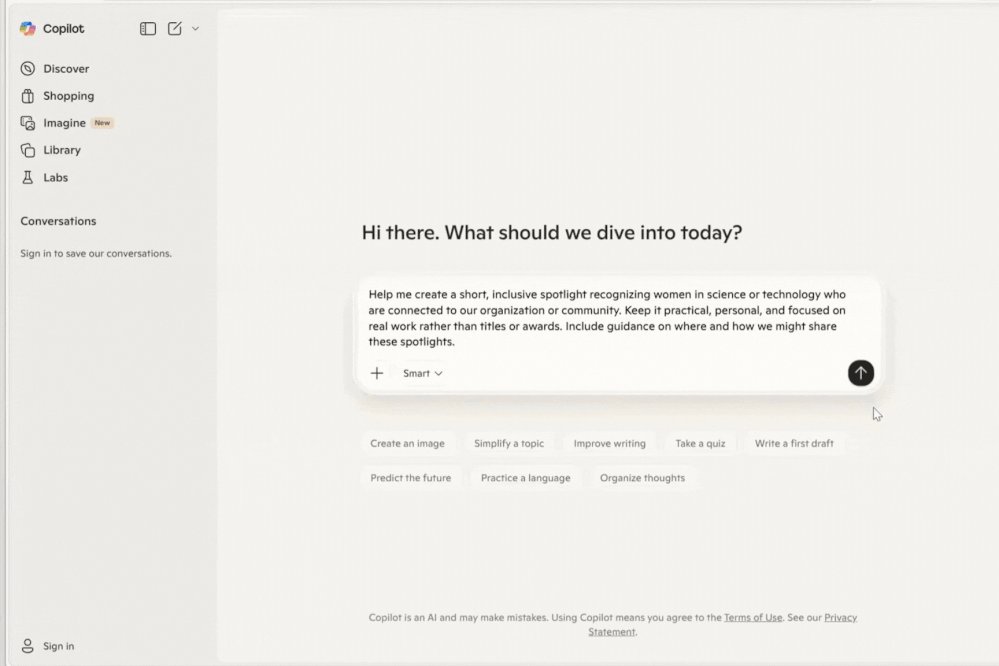
Prompt: "Help me create a short, inclusive spotlight recognizing women in science or technology who are connected to our organization or community. Keep it practical, personal, and focused on real work rather than titles or awards. Include guidance on where and how we might share these spotlights."
This approach shifts the narrative from abstract achievement to tangible impact, making role models more relatable and accessible to those considering similar career paths.
Creating Early Pathways for Girls in STEM
Celebrating women already established in scientific careers represents only half the equation. The "girls" component of this observance serves as a crucial reminder that curiosity, confidence, and access often develop long before someone enters the job market. Organizations without direct youth programs can still play meaningful roles by supporting early exposure to science and technology.
One effective strategy involves translating complex technical work into age-appropriate narratives. Consider this Copilot prompt:
Prompt: "Help me turn what our team works on into a short, engaging story for middle school girls that explains why science and technology matter in everyday life, using simple language and real-world examples rather than job titles."
Teams can leverage this approach for various initiatives, from classroom visits to family-friendly events, creating moments that spark interest without overwhelming young audiences with technical complexity.
Additional ways organizations can support girls in science and technology include:
- Partnering with local schools, libraries, or community groups to offer brief, informal sessions introducing girls to STEM careers through storytelling and demonstrations
- Encouraging employees to share what initially sparked their interest in science, emphasizing curiosity and exploration over credentials
- Supporting existing programs already working with girls in STEM through volunteering, sponsorship, or amplification
The Role of Technology in Driving Inclusion
The integration of AI tools like Microsoft Copilot into these initiatives represents a significant advancement in how organizations can approach diversity and inclusion efforts. These tools serve as brainstorming and planning partners, helping transform good intentions into concrete, inclusive actions that resonate with current professionals while inspiring future generations.
By leveraging technology thoughtfully, organizations can create initiatives that feel authentic rather than performative, building genuine connections that extend beyond a single observance day. The goal becomes creating sustained engagement that supports women throughout their scientific journeys, from initial curiosity through career advancement.
As we observe this International Day of Women and Girls in Science, the focus shifts from celebration to action. Organizations that embrace this moment as an opportunity for meaningful change—supported by tools that make implementation more accessible—position themselves to contribute to a more diverse, innovative, and inclusive scientific community for years to come.

For organizations looking to stay current with tools that can support these initiatives, the Microsoft 365 Insider program offers early access to features that can enhance workplace inclusion efforts. The program provides regular updates and insights about Microsoft 365 features across various platforms, helping organizations maintain cutting-edge approaches to their diversity and inclusion strategies.
Comments
Please log in or register to join the discussion