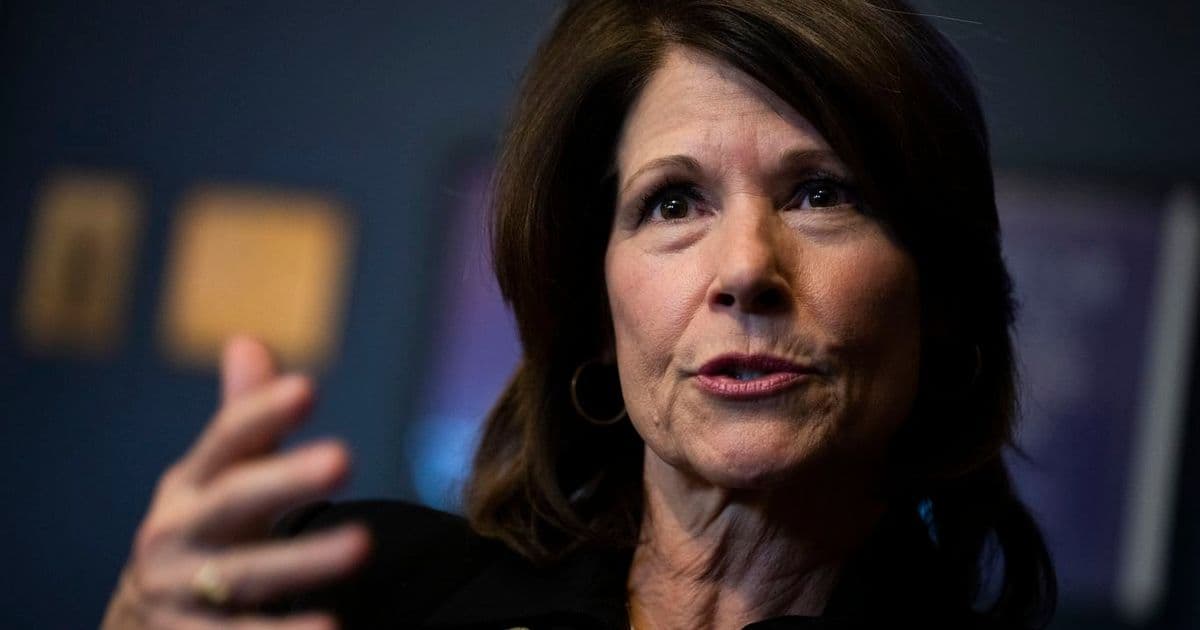
Former Rep. Cheri Bustos leads new centrist Democratic group aimed at reclaiming party messaging and electoral strategy from progressive wing
Centrist Democrats are launching a new political coalition to counter the growing influence of progressive lawmakers within the party, Axios has learned exclusively. The group, spearheaded by former Illinois Rep. Cheri Bustos, aims to reassert moderate voices in Democratic messaging and strategy heading into the 2026 midterm elections.
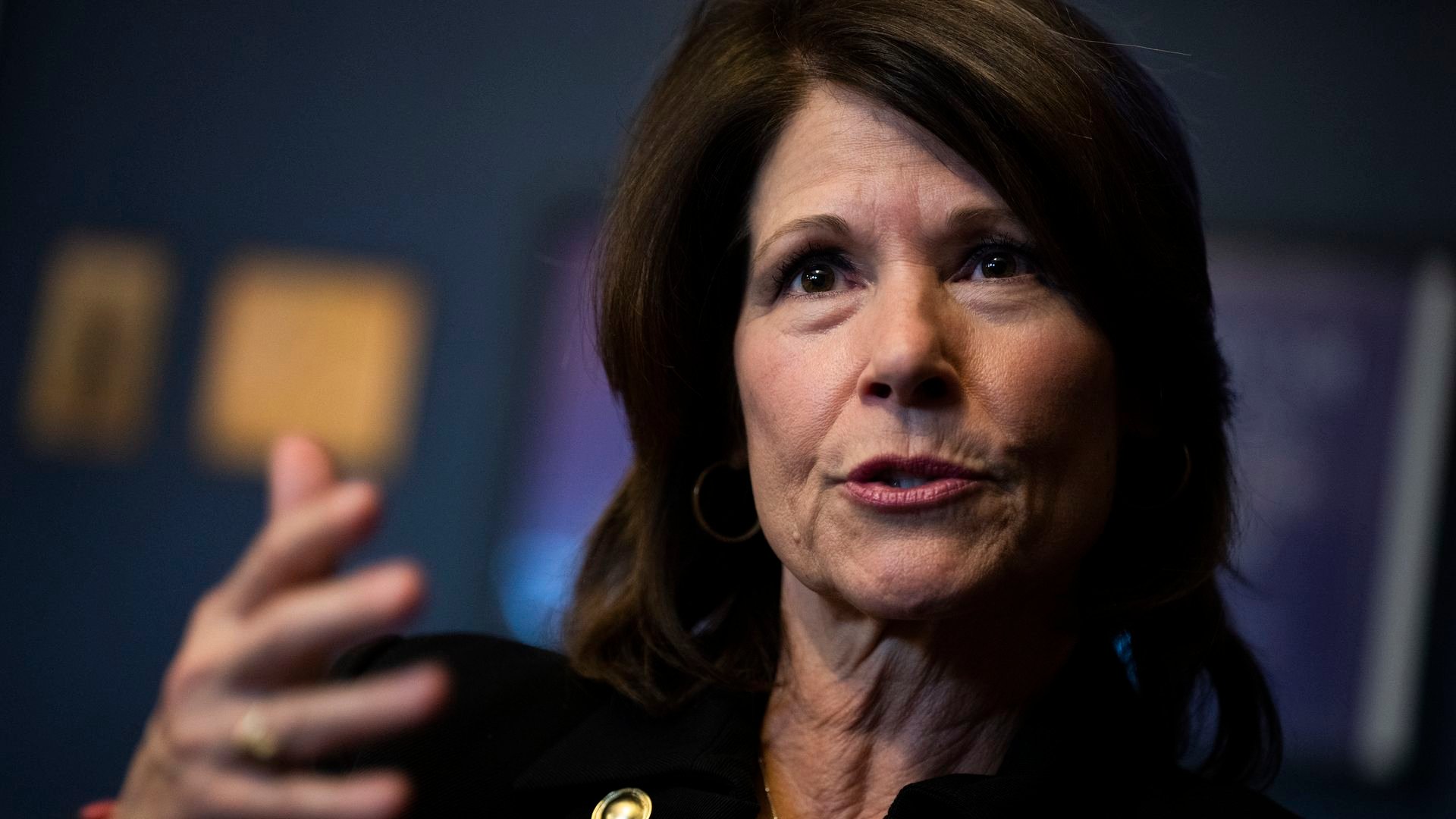
Bustos, who chaired the Democratic Congressional Campaign Committee during the 2020 cycle, is assembling a team of former lawmakers, strategists, and donors to create what they're calling the "New Democrat Coalition Action Fund." The organization will focus on defending centrist incumbents, recruiting moderate candidates in competitive districts, and developing policy proposals that appeal to suburban voters who were crucial to Democratic victories in 2018 and 2020 but have shown signs of drifting away.
The timing is significant. With progressive Democrats gaining committee chairmanships and pushing ambitious legislative agendas, centrist members have grown increasingly concerned about the party's leftward trajectory. The new group represents a formal pushback against what they view as an overemphasis on progressive priorities at the expense of winning back moderate voters.
"We've seen the data," said one source familiar with the planning. "Suburban voters, particularly women, are telling us they're concerned about inflation, public safety, and education. We need to speak directly to those kitchen-table issues rather than getting bogged down in ideological debates that don't resonate with the majority of Americans."
The coalition's formation comes amid internal party tensions that have been simmering since the 2024 elections. While Democrats made gains in some areas, they failed to recapture the House majority and lost ground in key suburban districts that had flipped blue in previous cycles. Centrist members argue that the party's messaging on issues like defunding the police and expansive climate legislation alienated moderate voters.
Financial backing for the initiative appears substantial. Early commitments from Democratic donors who have grown frustrated with the party's direction suggest the group could quickly become a significant player in Democratic politics. The organization plans to raise funds for both direct candidate support and independent expenditure campaigns in targeted districts.
Policy-wise, the coalition is expected to emphasize economic issues, public safety, and education reform. Sources indicate they're developing a policy platform that includes targeted tax relief for middle-class families, increased funding for local law enforcement, and school choice initiatives that would appeal to suburban parents.
The group's launch represents more than just another political organization—it signals a strategic shift within the Democratic Party. By creating a formal structure to advance centrist priorities, former lawmakers like Bustos are essentially creating an alternative power center within the party apparatus.
This development has implications beyond the 2026 midterms. The coalition's success or failure could determine the ideological direction of the Democratic Party for years to come. If centrist candidates perform well with the group's support, it could validate their approach and encourage more moderate voices to assert themselves. Conversely, if progressives continue to dominate party primaries and win general elections, it may accelerate the party's leftward movement.
The New Democrat Coalition Action Fund is expected to formally announce its launch within the next two weeks, with initial fundraising targets and candidate endorsements to follow shortly after. The group has already begun preliminary discussions with potential candidates in competitive districts across the country.
Political analysts note that the coalition's effectiveness will depend largely on its ability to raise money and recruit strong candidates. While the centrist message may resonate with many voters, translating that appeal into electoral success requires significant resources and organizational capacity.
As the 2026 election cycle approaches, the Democratic Party appears poised for an internal debate over its identity and priorities. The launch of this centrist coalition ensures that debate will be conducted not just in the halls of Congress, but in competitive districts across America, with real consequences for the party's electoral fortunes.
Comments
Please log in or register to join the discussion