
OpenAI is rolling out personality toggles for ChatGPT, allowing users to tailor the AI’s conversational style from 'Cynic' to 'Sage.' This shift addresses longstanding feedback about ChatGPT's generic tone while challenging competitors like Microsoft Copilot in personalization. The update signals a strategic move toward adaptable AI experiences for developers and power users.
For years, ChatGPT users have navigated a paradox: unmatched technical prowess in coding and reasoning, yet a personality as generic as a default system font. That changes now. OpenAI is deploying personality toggles for ChatGPT, enabling granular control over how the AI communicates—from blunt efficiency to sarcastic critique—directly within the web app.
Beyond Cheerful Defaults: Five Persona Archetypes
The feature, spotted in a gradual global rollout, offers five distinct modes:
- Cynic: Critical, sarcastic, and praise-averse—ideal for users tired of excessive positivity
- Robot: Stripped-down, efficient, and clinically direct
- Listener: Thoughtful and supportive, prioritizing user reflection
- Sage: Nerdy and enthusiastic, diving deep into technical tangents
- Adaptive (Default): ChatGPT's original cheerful tone
Users activate personalities via Profile Icon > Customize ChatGPT, though availability remains limited during initial deployment. The interface (shown below) mirrors preference panels in productivity software but targets emotional resonance:
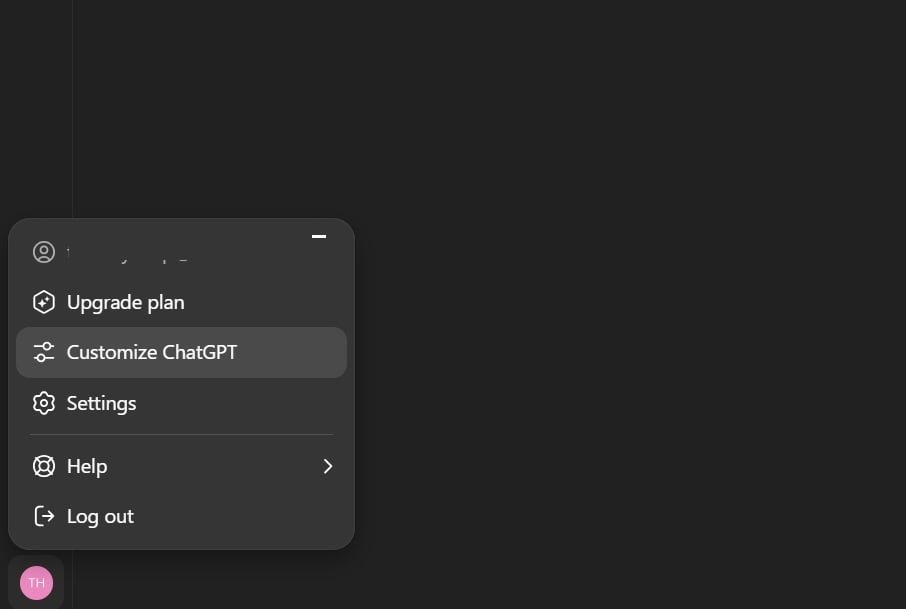 Customize ChatGPT interface (Source: BleepingComputer)
Why Personalization Matters for Technical Users
This isn’t cosmetic fluff. For developers debugging code or system architects debating infrastructure tradeoffs, tone alters effectiveness:
- Cynic mode could surface edge cases faster by challenging assumptions
- Robot mode eliminates conversational fluff during high-focus tasks
- Sage mode accelerates knowledge discovery through passionate technical deep dives
The move also counters Microsoft Copilot’s entrenched position in personalized AI assistance. Where Copilot leans into casual relatability, OpenAI now offers structured adaptability—letting users design rapport.
The Unspoken Shift: From Model-Centric to User-Centric AI
Personality controls represent a subtle but critical evolution: ChatGPT is maturing beyond raw capability into configurable user experience. This acknowledges that AI utility hinges not just on what it knows, but how it communicates that knowledge. For enterprises building atop ChatGPT’s API, these toggles could eventually unlock industry-specific communication templates—think terse alerts for DevOps incidents or patient empathy for healthcare bots.
As one beta tester noted: "Having GPT critique my architecture with sarcasm forced me to defend decisions more rigorously than any rubber-stamp approval."
OpenAI hasn’t confirmed API availability or enterprise features yet, but the groundwork is laid. When code generation feels transactional, personality makes it collaborative—and that’s where AI transitions from tool to teammate.
Source: BleepingComputer
Comments
Please log in or register to join the discussion